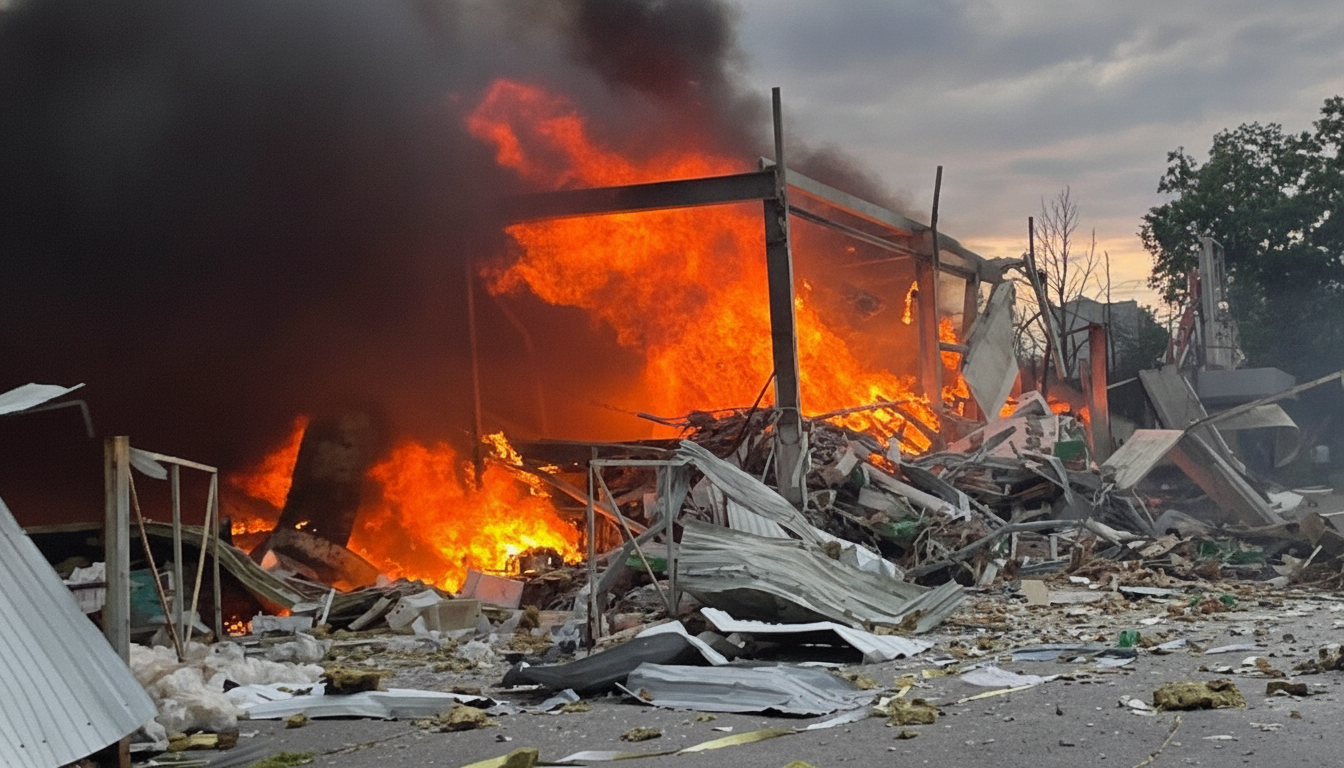
Power Outage Leaves Half a Million Kharkiv Region Subscribers in the Dark; Heating Shelters Activated.

Power Supply Crisis in the Kharkiv Region
According to Novyny.live: Approximately 520,000 subscribers in Ukraine's Kharkiv region were without electricity as of January 21. This widespread outage is a result of emergency power cuts implemented by Ukrenergo, the national energy company, across several Ukrainian regions. The blackout has severely disrupted daily life, prompting regional authorities to mobilize support services to provide warmth and essential aid to affected residents.
Resilience and Heating Hubs Provide Critical Aid
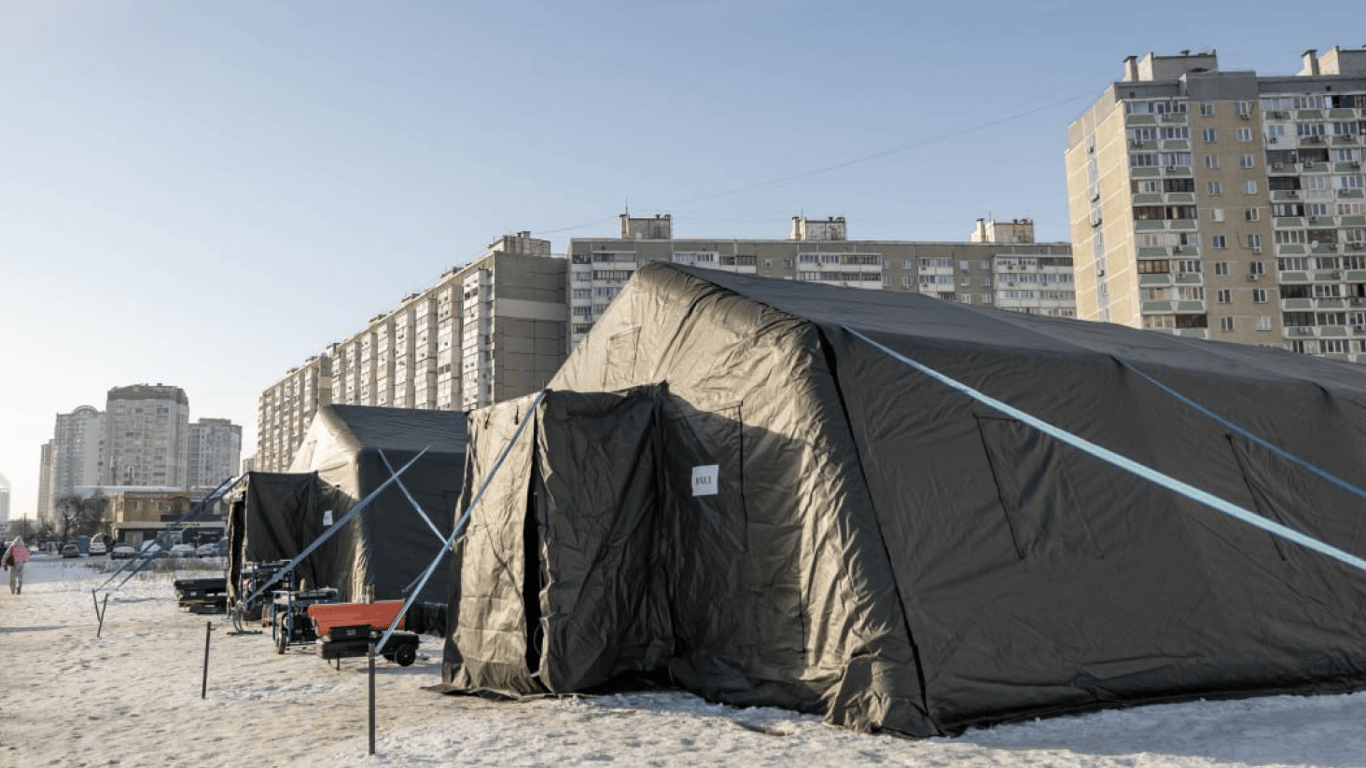
To assist residents during this difficult period, 950 'Invincibility Points' have been established across the Kharkiv region. Furthermore, over 350 dedicated heating shelters are operational, offering crucial refuge and warmth for those left without power. This crisis follows a massive outage the previous day, January 20, 2023, which left 1.1 million subscribers across Ukraine without electricity.
Oleg Synegubov, head of the Kharkiv Regional Military Administration, emphasized the priority of restoring power to households: 'Our main goal is to supply electricity to people when they return to their homes.'
He added that the objective is to stabilize the situation to enable scheduled, rather than emergency, blackouts, aiming for 'no more than three or four hours maximum per day.' These measures are vital as Ukraine's energy grid contends with immense strain and damage from ongoing hostilities.
The persistent power outages in Ukraine, particularly acute in the Kharkiv region, underscore the severe challenges civilians face amid a protracted energy crisis. Regional and national authorities are actively working to mitigate the impact by deploying heating and resilience hubs, demonstrating efforts to maintain social stability and support for the population. Given the vulnerability of the energy infrastructure, developing robust contingency plans for future crises remains an urgent necessity.
Read also
- Kharkiv to Install Anti-Drone Netting on Major Highway: Defending Against FPV Attacks
- Targeted Russian Strikes on Kharkiv Gas Stations: A Look at the City's Fuel Situation
- Kharkiv Defense Council Expands Evacuation Orders Across 60 Settlements: Who Must Leave
- Strikes on Kharkiv and Its Region: Four Dead, 24 Wounded, Including Children
- June 28 Attack on Kharkiv Region: Two Women Killed, Children Among the Wounded
- Drone Strike Hits Kharkiv Apartment Building, Injures Woman