Government Unveils Plan to Replace Military Levy with Reconstruction Tax.

Phasing Out the Military Levy in Favor of a Reconstruction Tax
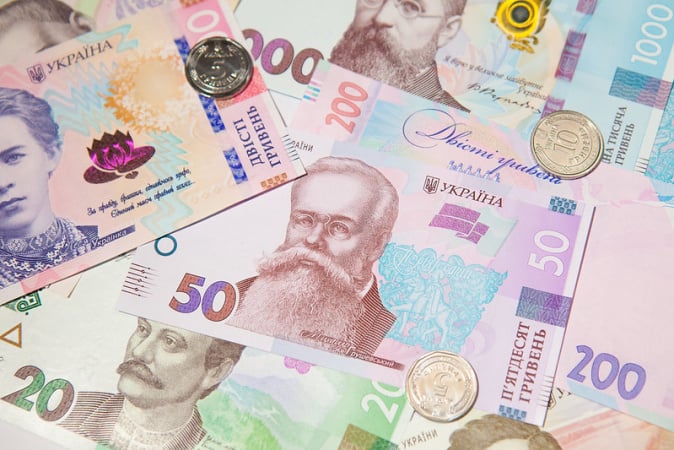
According to Мінфін — Крипто/Фінанси: Once martial law is lifted, the Ukrainian government intends to phase out the existing 5% military levy and introduce a reconstruction tax instead. This updated approach is outlined in the latest Memorandum with the International Monetary Fund (IMF). Under the new terms, the military levy will remain in effect for three additional years after martial law is officially ended.
During the first half of 2026, revenue from the military levy reached UAH 94.2 billion—an increase of UAH 19.2 billion (25.6%) compared to the same period the previous year. As of December 1, 2024, the rate for individuals was raised from 1.5% to 5%. Additionally, starting July 1, 2026, the rules for allocating military levy proceeds will be adjusted.
Ukrainian officials stated: 'After extending the 5% military levy for three years beyond the end of martial law, we will ensure that revenues do not decline once this measure expires.'
This signals the government’s commitment to maintaining stable budget revenues during the post-war recovery period.
Outlook for the State Budget
Looking ahead, the state budget is projected to achieve a primary surplus of 0.2% to 0.4% of GDP. The potential implementation of a reconstruction tax would become a key component of Ukraine’s economic recovery strategy after hostilities cease.
Replacing the military levy with a reconstruction tax reflects the government’s aim to sustain steady budget income amid post-war rebuilding efforts. It also underscores Ukraine’s serious commitment to financing the country’s reconstruction, including through mechanisms designed to secure the necessary resources for strategic projects. An important aspect is that these changes are taking place within the framework of cooperation with the IMF, confirming the need to adapt tax policy to new economic realities.
Read also
- Hryvnia Exchange Rates for July 23: National Bank of Ukraine Updates Dollar and Euro Values
- Ukraine's Defense Forces Brace for Fresh Russian Offensives, Says General Staff Chief
- Cash Market Sees Dollar and Euro Gains on July 22
- Over 60% of Female Retirees in Germany Live Below the Poverty Line
- Telegram to Launch Self-Custodial Crypto Wallet for 1 Billion Users with Zero-Fee Transfers
- Housing Market Shifts as Missile Attacks Drive Mass Relocation Plans in Ukraine