Housing Market Shifts as Missile Attacks Drive Mass Relocation Plans in Ukraine.

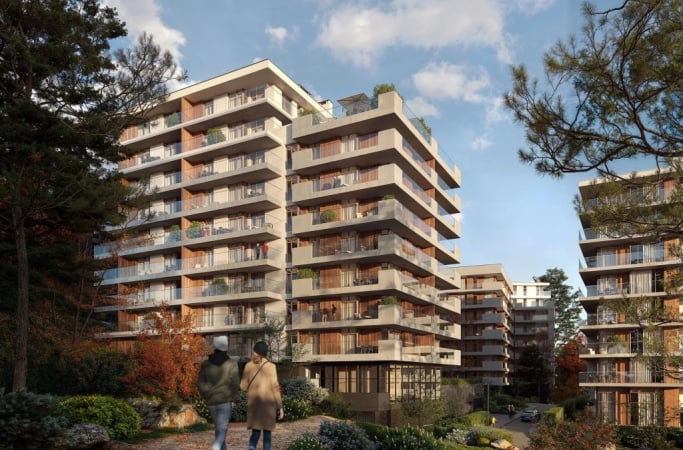
How Drone and Missile Strikes Are Reshaping Ukraine’s Housing Market
According to Мінфін — Крипто/Фінанси: In Ukraine, ongoing drone and missile attacks are fundamentally changing how people approach buying a home, especially in the primary market. This has sparked a growing trend of relocation to safer regions. Between June and July, up to 40% of inquiries received by the sales departments of GAZDA came from potential buyers actively considering a move to a new area.
Roughly 30–40% of these inquiries originate from residents of Kyiv, the Kyiv region, Dnipro, Kharkiv, and Zaporizhzhia. More than half of all potential relocators are from Kyiv and its surrounding region. The strongest demand is for apartments ranging from 50 to 80 square meters. Around 80% of those looking to buy plan to finance their new home by selling their current property.
Financial Planning and Market Forecasts
Nearly two-thirds of potential buyers are prepared to make a down payment of between 30% and 50% of the total property price. According to expert Marianna Bihunets,
“This indicates that demand is not driven by sudden emotions, but by a gradual, calculated financial strategy for relocation.”
A potential 3–4% weakening of the hryvnia, bringing the exchange rate to around 46.5–47 UAH per USD, could influence buyer decisions. Developers may factor in a projected rate of 48–50 UAH per USD. Marianna Bihunets warns that in the fall, currency fluctuations, along with rising costs for construction materials, logistics, labor, and engineering equipment, could impact the price per square meter.
As a result, Ukraine’s housing market is being reshaped by security concerns, giving rise to new trends in buyer behavior and financial planning.
The increasing interest in moving to safer areas reflects how the population is adapting to wartime conditions in Ukraine. This shift in priorities and the willingness to invest in real estate despite uncertainty could transform the housing landscape and spur infrastructure development in regions gaining new residents. However, rising home prices due to currency volatility and higher construction costs may alter demand in the near future.
Read also
- Cash Market Sees Dollar and Euro Gains on July 22
- Over 60% of Female Retirees in Germany Live Below the Poverty Line
- Telegram to Launch Self-Custodial Crypto Wallet for 1 Billion Users with Zero-Fee Transfers
- IMF Downgrades Ukraine’s Outlook: Slower Growth and Higher Inflation Ahead
- PINbank Owner Injects UAH 50 Million via New Share Issue – Here’s What It Means
- Ukraine’s Pensioner Population Shrinks Rapidly as Average Payout Reaches 7,273 Hryvnias