Middle East Airspace Shutdown Forces Cancellation of Thousands of Flights.

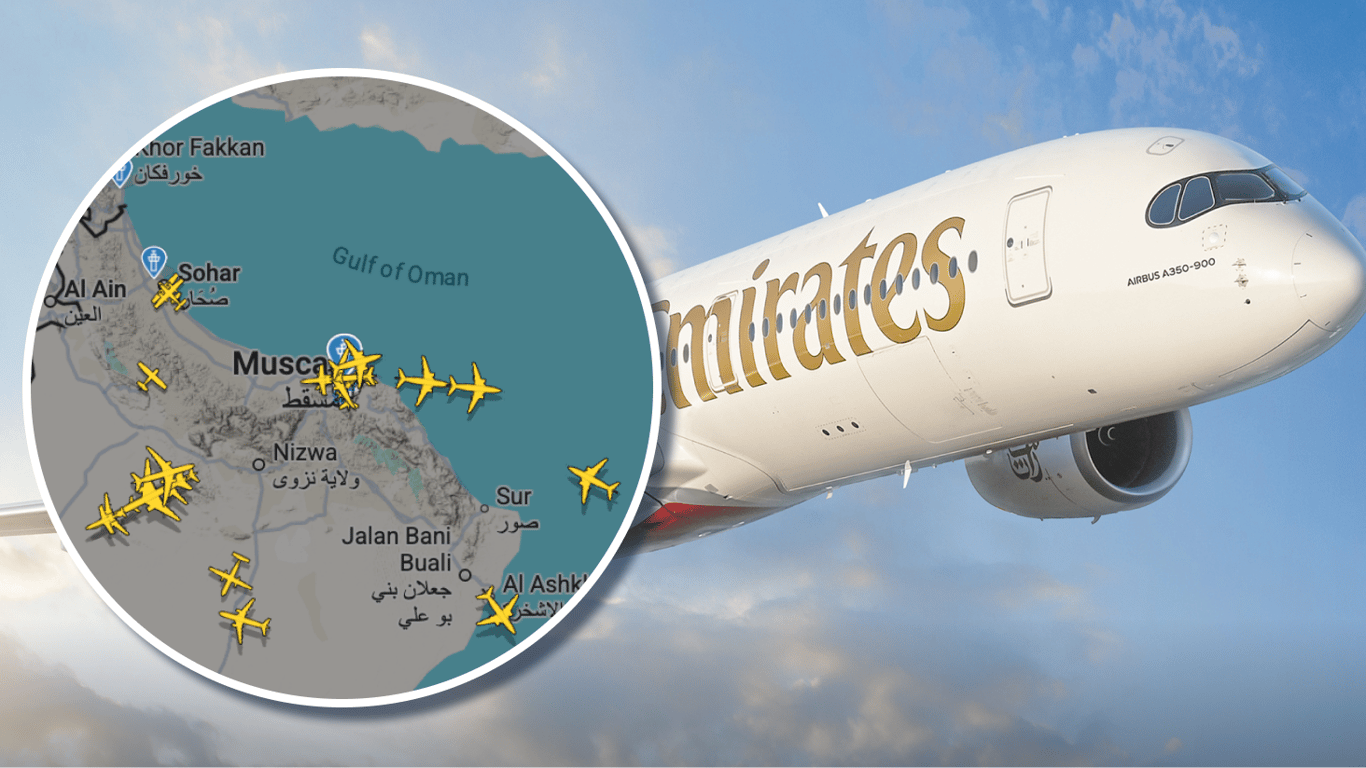
Airspace Closure Across the Middle East
According to Novyny.live: Following a series of aerial attacks, several Middle Eastern nations have closed their airspace, grounding flights and causing major disruptions for thousands of travelers. The closures, announced by Iran, Iraq, Israel, Syria, Kuwait, and the United Arab Emirates, have severely hampered regional air traffic. This situation is causing significant ripple effects across global aviation networks.
Dubai International Airport sustained damage from an Iranian attack, resulting in several injuries. Separately, an attack on Abu Dhabi International Airport led to one fatality and seven injuries. Amid the escalating conflict, the European Union's aviation regulator has advised airlines to avoid the airspace of the affected countries.
Airlines Take Action
In response to the crisis, Air India has suspended all flights to Middle Eastern countries. Several other major carriers have also implemented changes:
- Pakistan International Airlines canceled flights to the United Arab Emirates, Bahrain, Doha, and Kuwait.
- Turkish Airlines suspended flights to 10 countries in the Middle East.
- Air France canceled services to Dubai, Riyadh, Beirut, and Tel Aviv.
- British Airways will also not operate flights to Tel Aviv and Bahrain until March 4.
- Emirates canceled all flights to Dubai until March 5.
- Qatar Airways announced flight cancellations through March 6.
The airspace closures and mass flight cancellations have created severe difficulties for thousands of passengers attempting to reach their destinations. The situation remains volatile, with airlines continuing to adjust their operations based on the evolving security landscape in the region.
These developments carry significant consequences not only for travelers but also for the economies of regional nations, which are heavily reliant on international air connectivity.
The cancellation of flights and airport closures are likely to result in losses for the tourism sector and a potential decline in foreign investment. As the conflict intensifies, it is crucial to monitor further decisions from governments and airlines, as the operational environment can change daily.
Read also
- Russian Strikes Across Four Regions Leave Dead and Wounded, UNICEF Warehouse Destroyed
- Russian Army’s Advance Drops to Record Low: Just 110 Square Kilometers Per Month
- New Russian Offensive Direction Warned by Hnatov: Ukrainian Armed Forces Stand Ready
- Ukrainian F-16 Scores First Air-to-Air Kill Against Russian Aircraft: How It Went Down
- 1,330 Russian Troops Eliminated in One Day as Total Casualties Surpass 1.4 Million: Ukraine's Defense Forces Report
- NATO Ready to Bolster Air Defenses as Lithuania Tightens Infrastructure Security Amid Russian Threats