Pripyat at 56: The Story of a City Built for Chernobyl's Nuclear Plant.

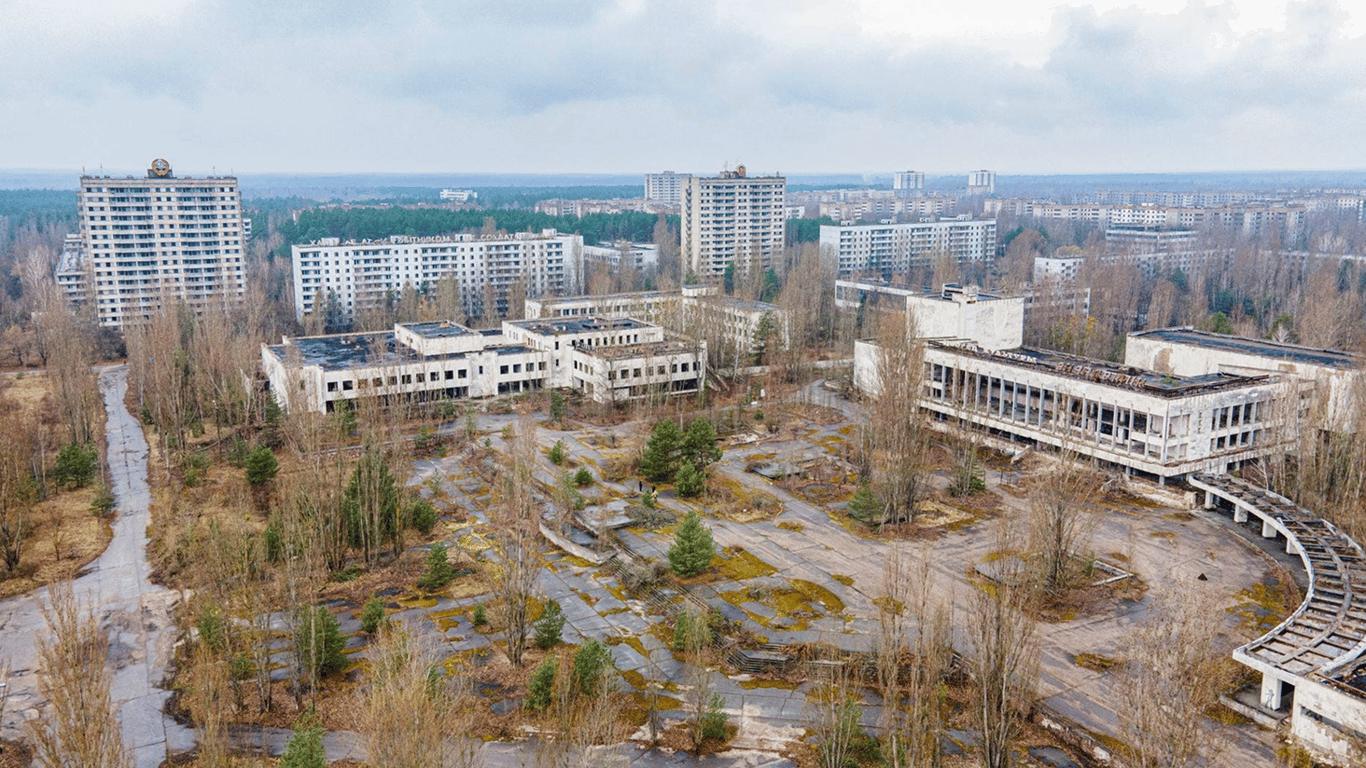
Pripyat: 56 Years Since Its Founding
According to Novyny.live: The city of Pripyat turned 56 years old on February 4, 2023. It was founded on February 4, 1970, specifically to house the workers and specialists constructing and operating the nearby Chernobyl Nuclear Power Plant. Designed as a modern, well-equipped urban center, Pripyat was intended to provide a comfortable life for the Soviet scientific and engineering elite involved in this ambitious project.
The fate of both the city and the power plant was irrevocably altered by the catastrophic accident at Chernobyl on April 26, 1986. At the time of the disaster, Pripyat was home to between 45,000 and 49,000 residents. Following the explosion, the entire population was evacuated, and the city was left abandoned, becoming a haunting ghost town. Its location, a mere two kilometers from the reactor site, underscores its intimate and tragic connection to the event.
A Symbol of Nuclear Aftermath
Today, Pripyat stands as a powerful global symbol of the consequences of nuclear catastrophe. It has become a crucial site for historical study, a destination for so-called "dark tourism," and a solemn memorial to the events of 1986. The city, once a vibrant hub of life and progress, now serves as a stark reminder of the potential dangers of atomic energy and the profound challenges faced by its former inhabitants. Its 56th anniversary is not merely a historical footnote but a prompt to reflect on the lessons we must carry forward.
Marking this anniversary emphasizes the importance of remembering the 1986 disaster and acknowledging its long-lasting effects. A place originally built as a symbol of scientific advancement has been transformed into a permanent warning about the risks of nuclear power. Pripyat remains an active site for researchers and a destination for visitors, offering insights not only into history but also into the ongoing, complex challenges of managing lands contaminated by radiation.
Read also
- Seven Aerial Bombs Hit Donetsk Settlement: One Dead in Russian Strike
- Four Children Wounded in Russian Drone Strike on Sports Complex in Zaporizhzhia
- Red Cross Warehouse Destroyed in Russian Strike on Kyiv: $2.1 Million in Losses
- Over 20 Dead in Kyiv After Massive Russian Strike; Zelensky Urges Stronger Air Defenses
- Storm Warning Issued for Odesa on July 3: Thunderstorms, Gusts Up to 20 m/s, and Extreme Fire Risk
- Yellow Weather Alert Issued for Kyiv as Thunderstorms and Hail Approach