Protests in Iran last for the third week: what is happening inside the country.

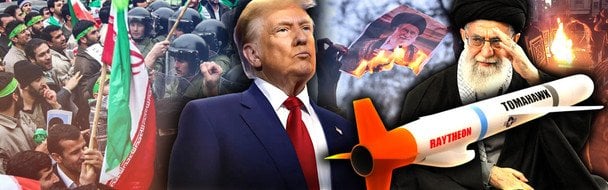
According to ТСН: Protests against the government in Iran have been ongoing for the third week. People took to the streets on December 28 due to a sharp decline in the national currency – the Iranian rial – and worsening economic conditions. The first protests began in Tehran, particularly at the Grand Bazaar, and quickly spread across the country. According to the American Human Rights Activists News Agency, the number of protesters killed has already reached around 600, and more than 11,000 people have been arrested.
Blocking of social networks and threat of violence
Since January 8, the Iranian regime, led by Ayatollah Khamenei, has blocked the internet and mobile communication. The entry of foreign journalists into the country is prohibited. President Masoud Pezeshkian blames the unrest on the USA and Israel and promises to listen to the protesters' demands. Meanwhile, the people who took to the streets demand better economic conditions and call for a change of regime.
The Speaker of the Iranian Parliament Mohammad Bagher Ghalibaf stated that Israel, U.S. military bases, and commercial properties in the region will become 'legitimate targets' in the event of American strikes against the country.
Donald Trump responded that 'America will strike at a level they have never experienced before.'
Reasons for protests and their scale
Experts note that the current Iranian protests are among the largest in the last 50 years, with their causes linked to economic difficulties. Over the year, the dollar has significantly appreciated against the rial, leading to an increase in poverty in the country—over 40% of Iranians live below the poverty line. Bazaar workers in Tehran were the first to protest, as they were previously the financial backbone of the Islamic Revolution.
Protests are not new to Iran: in 2022, mass gatherings occurred after the death of Mahsa Amini, who became a symbol of the fight for women's rights.
The situation with violence and protests
Protests have grown into a nationwide demonstration, and people openly oppose the regime. Social media is filled with videos documenting violence against protesters. Following mass riots, the killings of protesters have become part of the regime's strategy to suppress dissent.
Emigrants claim that the protests are led by the heir prince Reza Pahlavi, however, he currently does not receive support from other opposition groups. There are also no signs of a split in the security forces.
Possible actions from the USA
The White House spokesperson reported that Trump is considering military action against Iran due to the events in the country. Meanwhile, the American president has imposed new import tariffs on goods from countries that trade with Iran.
Trump has also expressed readiness for negotiations regarding Iran's nuclear program but does not rule out a possible military conflict. Experts believe that the positions of the Ayatollah regime have weakened following previous military actions by the USA.
German Chancellor Friedrich Merz noted on Tuesday that the Ayatollah regime is living its last days.
The Iranian protests reflect deep economic crises in the country and growing discontent among the population. The situation could lead to significant changes in domestic policy if the government does not take measures to improve economic conditions. Meanwhile, the international community is closely monitoring the developments, as the consequences could affect not only Iran but the region as a whole.
Read also
- At the G7, Trump Proposed Backing Ukraine in Exchange for Iran Cooperation
- G7 Leaders Adopt Joint Declaration on Ukraine: New Air Defense Systems and Tougher Sanctions
- At the G7 Summit in Évian, Trump Acknowledged Putin’s Reluctance for Peace in Ukraine
- Iran Truce Deal Signed by Trump: What the Memorandum Entails
- First Tankers Cross the Strait of Hormuz Following US-Iran Deal
- Strengthening Ukraine's Air Defense: Zelenskyy and NATO Chief Rutte Hold Talks in Brussels