Putin's Strategic Calculus: Why Trump Outweighs Venezuela for the Kremlin.

Putin's Strategic Reassessment in Venezuela
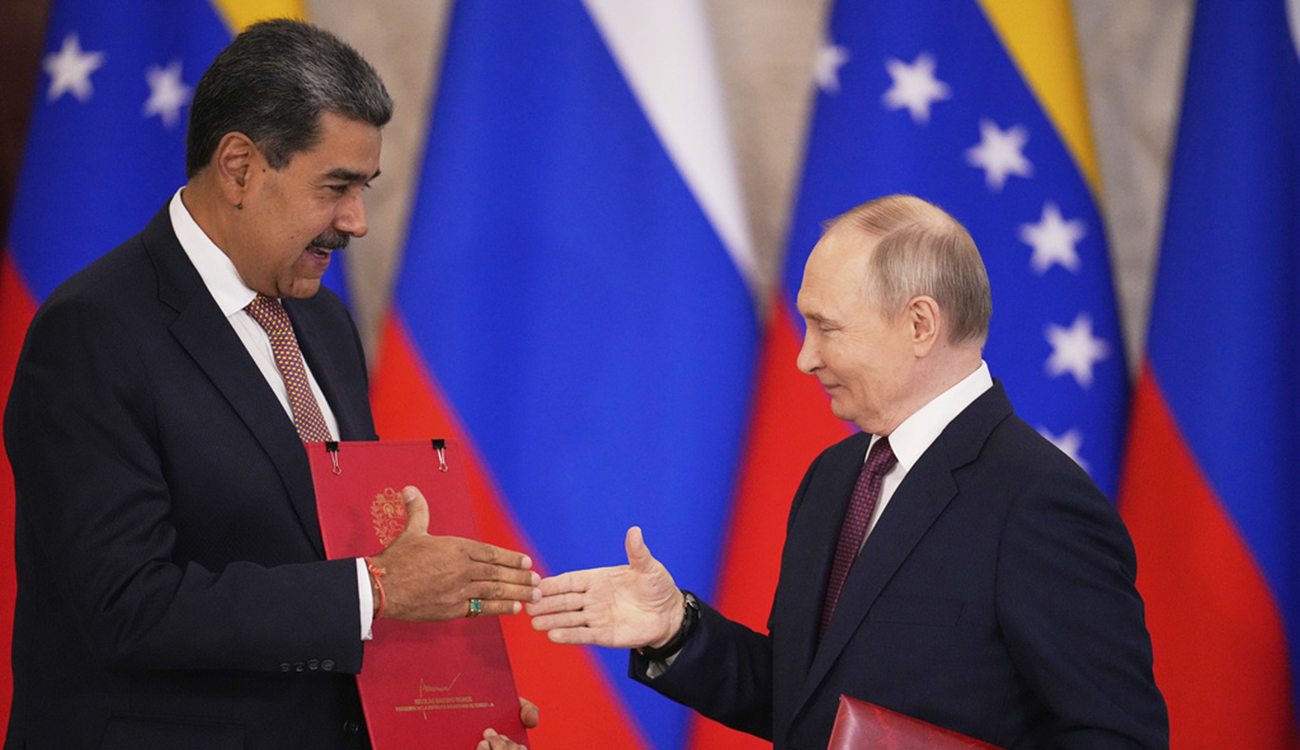
According to UATV: Vladimir Putin is continuing to reassess his strategic priorities in relations with Donald Trump, placing the interests of the American president above the situation in Venezuela, where Nicolás Maduro recently suffered significant losses. According to available information, Maduro was ousted by U.S. special forces earlier this year, dealing a major blow to Russian policy in the region. The Kremlin's traditional method is to portray its own defeats as victories, yet in this instance, the situation points to clear signs of a weakening in Russia's geopolitical influence. This development highlights the Kremlin's pragmatic, if cynical, approach to foreign alliances.
Geopolitical Consequences and Expert Analysis
Venezuela was previously viewed as a 'second Cuba' for Russia, where the Kremlin sought to strengthen its foothold. However, incidents like the seizure of Russian tankers provoked outrage in Russia and underscored the vulnerability of Russian interests in the region. The term 'Russia's geopolitical humiliation' gained popularity following these events, signaling growing problems in the Kremlin's foreign policy sphere.
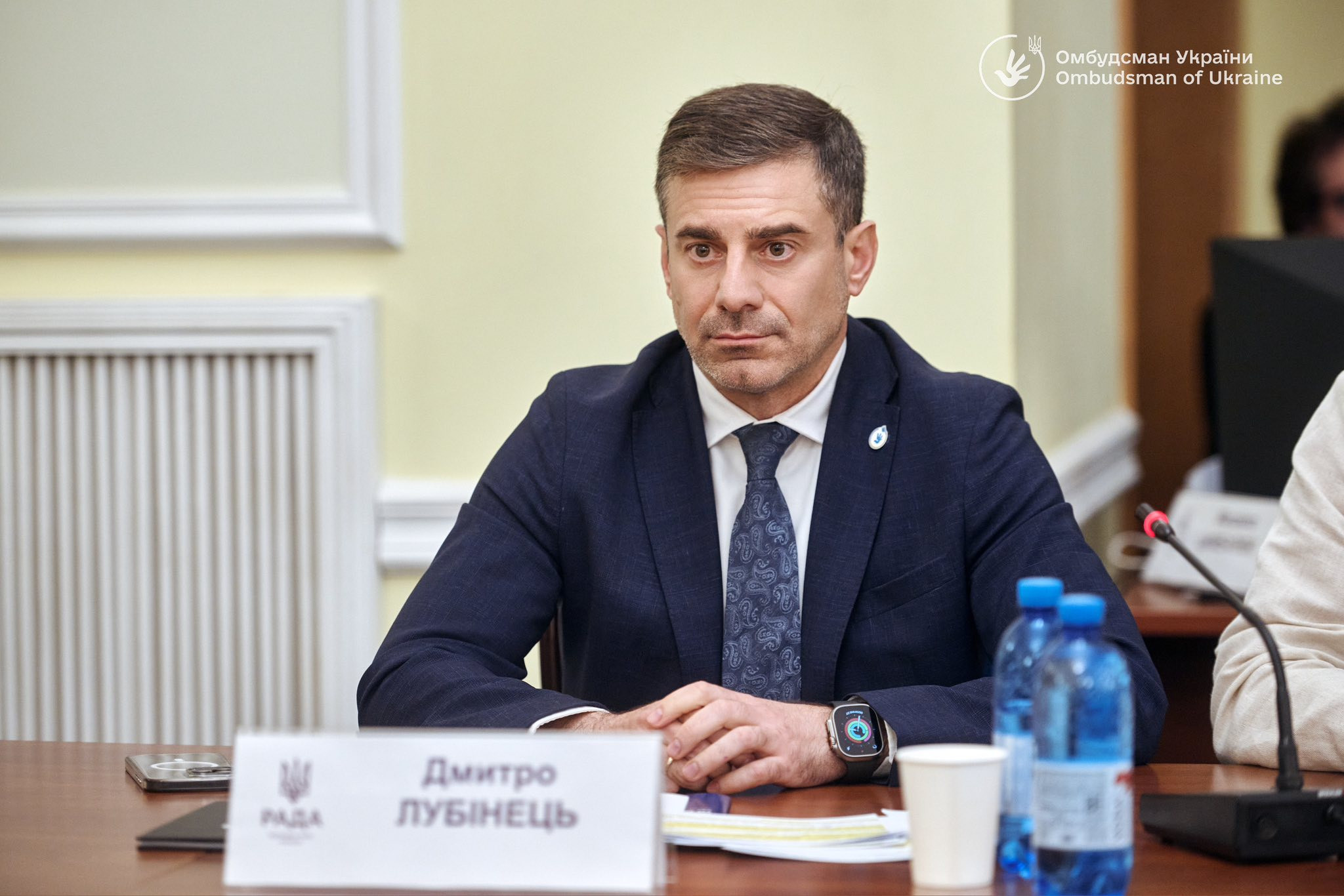
Experts note that Putin may be prepared to 'abandon' Maduro, as maintaining good relations with Trump is more critical for him. Vladimir Fesenko, a political expert, emphasizes that
“for Putin, Trump is more important than Maduro.”This confirms the well-known thesis that 'realpolitik is always more complicated,' as Putin may face contradictions between his imperial ambitions and a desire to negotiate with the American president. Consequently, relations between Moscow and Washington will remain the central focus, with the Venezuela situation potentially becoming secondary in the context of global geopolitical games. This dynamic reflects how major powers often prioritize their bilateral relationships over regional client states.
These events demonstrate how global political alliances can shift according to strategic interests, and how individual nations can lose support on the international stage. Should Russia indeed decide to withdraw its backing for Maduro, it could lead to a further erosion of its influence in Latin America and a shift in the regional balance of power. Thus, the situation in Venezuela will continue to be a significant factor in relations between major powers, particularly between Russia and the United States.
Read also
- Feigin Reveals Putin's Litmus Test: When Mobilization Plans Will Become Clear
- Putin Now Acknowledges Ukraine's Strength, Says Former Polish Defense Minister, Marking a Turning Point in the War
- Feigin Reveals Who Arranged Melnychenko's Interview and Why Russian Oligarchs Are Fleeing
- Putin’s Approval Rating Plunges to 66% as Russia’s Fuel Crisis Worsens
- Why Russia Sees Turkey as a Viable Negotiation Hub: Three Key Reasons
- Massive protests erupt across Ukraine after defense minister Fedorov is dismissed