Why the Kremlin Fears a New Mobilization: Putin's Reluctance Explained.

Putin's Mobilization Anxiety
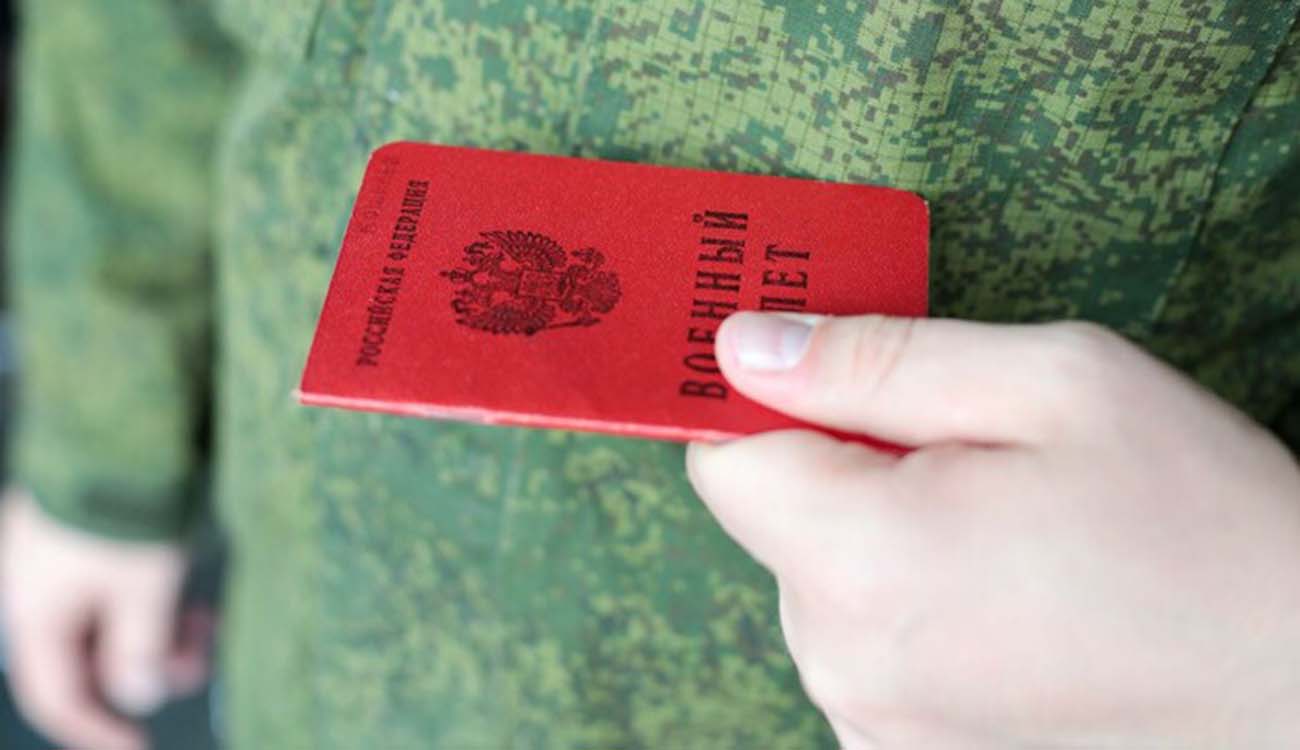
According to UATV: Vladimir Putin, the President of the Russian Federation, is reportedly gripped by a deep-seated fear of announcing another wave of mobilization, even a partial one. While legal grounds exist for a full-scale call-up, the Kremlin is unwilling to take this step due to the high risk of triggering severe social unrest and destabilizing the regime.
The ongoing war in Ukraine continues to exert pressure on Russian leadership. In the Donetsk region, for instance, Ukrainian defense forces currently control 27% of the territory. This military pressure is compounded by the domestic fallout from the first partial mobilization wave, which prompted over 1 million Russians to flee the country, highlighting the potential for mass public backlash.
Internal Challenges and Mobilization Resources
Military expert Dmitry Snegirov points to an available pool of roughly 500,000 individuals within the Russian penal system who could be conscripted. This represents a significant potential resource for replenishing army ranks. However, Putin is acutely aware that initiating another mobilization, however limited, would deal a devastating blow to his political standing and public image.
In 2025, Russia met its mobilization target by 100%, successfully recruiting 406,000 personnel. This demonstrates that the state possesses the logistical capacity for further call-ups. Yet, the overriding fear of a negative social reaction appears to be the primary factor restraining the president from authorizing new drafts. The issue remains critically relevant as the war grinds on, creating a tense dilemma for the Kremlin where military needs clash with domestic stability.
The current political climate in Russia underscores the complexity of the Kremlin's decision-making, where every military move is weighed against profound social risks. As the conflict persists, Putin's apprehension about public sentiment and his ability to maintain control may increasingly influence his strategic choices, presenting a major challenge for Russian leadership amid growing military pressure and the latent threat of popular discontent.
Read also
- Fuel Shortages and Rising Prices Drive Russians to Buy Foreign Currency in Droves
- CIA Director: Russian Soldiers Survive Only 30 Minutes on the Frontline
- Capital Flight from Russia: Why Billionaires Are Moving Assets Abroad
- Putin Open to a Deal, Trump Claims: When the War Could End
- Trump Predicts Ukraine War Will End During His Presidency, Says Putin Ready for a Deal
- Russia Developing 5,000-Kilometer Ballistic Missiles, Ukraine's President Warns of New Danger