Up to 10 Years in Prison: Ukraine’s Parliament Moves to Criminalize Abuse by Military Draft and Medical Boards.

New Bill Targets Misconduct by Military Officials
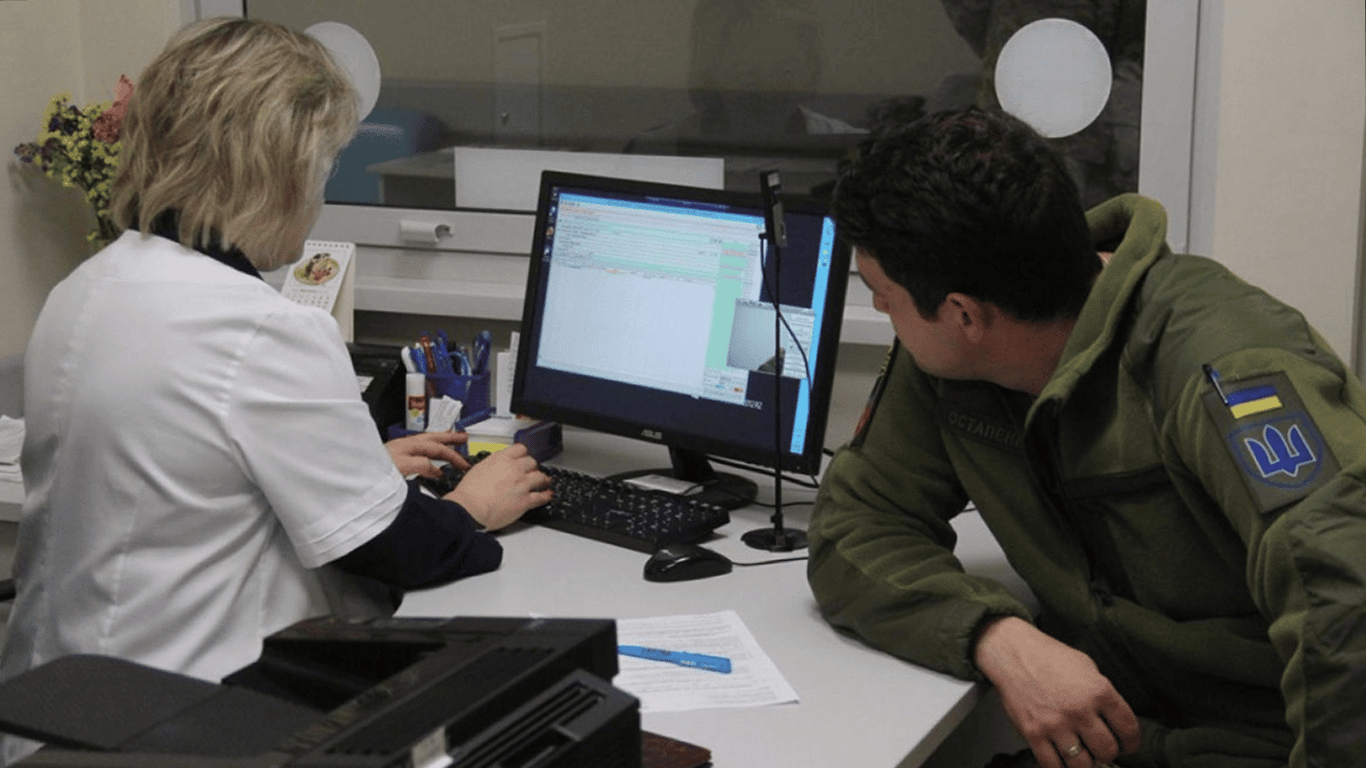
According to Novyny.live: A newly registered draft law in Ukraine’s Verkhovna Rada introduces both administrative and criminal liability for military officials working at Territorial Recruitment Centers (TCCs) and Military Medical Commissions (MMCs). The legislation aims to tighten oversight of these institutions and ensure legality in mobilization procedures, responding to widespread public concerns about corruption and arbitrary actions during wartime.
Key Provisions of the Draft Law
Specifically, the bill establishes criminal penalties for MMC staff. Intentional violations in the medical examination process could result in prison sentences ranging from three to eight years. Similarly, TCC employees who knowingly draft individuals not eligible for conscription would face the same punishment. These measures reflect lawmakers’ determination to prevent abuses and uphold legal standards in the recruitment system.
Additionally, the bill equates MMC officials with state-authorized persons under Ukraine’s illicit enrichment law. Those found guilty of illegal enrichment could be sentenced to five to ten years in prison. TCC workers who unlawfully register women for military service would also face a fine of 170,000 Ukrainian hryvnias.
Parliament may also vote to automatically remove women from the military registry, as part of broader efforts to ensure fairness in mobilization and military record-keeping. This legislation seeks to increase accountability among military officials and curb irregularities in the conscription process.
The proposed changes underscore the government’s push to strengthen control over military institutions at a time when mobilization and military registration issues are critically important.
Lawmakers are responding to public demands for transparency and lawfulness in conscription, especially amid ongoing military conflict and civic obligations. If passed, this bill could mark a significant step toward rebuilding trust in military institutions and preventing corruption in this sensitive area.
Read also
- Kyiv Pechersk Lavra’s Millennium Celebrations Get Official Go-Ahead from President Zelenskyy
- Crimea Ablaze: Ukraine Intensifies Pressure to Make Russia's Occupation Unbearable
- Harman explains how the Minsk Agreements led to the erasure of the Ukrainian language in Donbas
- Ukraine's 2027 War End Date Built Into Budget: What It Means for Citizens
- Germany Rejects Tusk’s Request for Mediator Role in Poland-Ukraine Dispute
- These fundamental rights remain inviolable even in war – what the constitution really says