Tenants with damp and mold may be entitled to thousands in compensation: how to claim it.

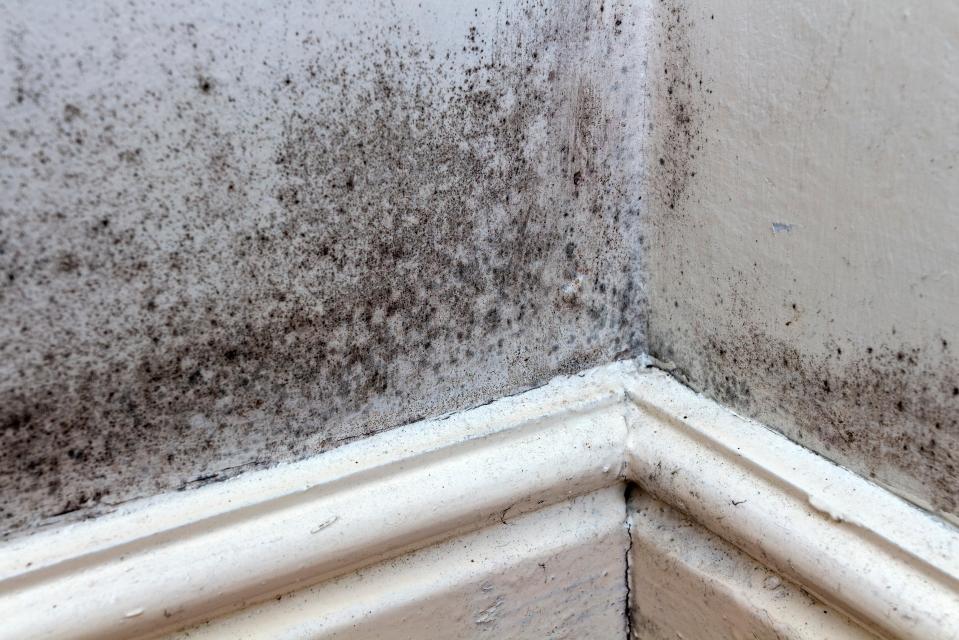
According to The Sun: Renting a home with dampness or mold may be grounds for claiming thousands in compensation.
Mold problems can be a serious nuisance, especially if your complaints go unanswered.
Alamy GettyIt's important to know your rights as a tenant to avoid issues with unscrupulous landlords.
Every tenant, whether renting privately or through a council, has rights.
You can claim compensation in thousands for the inconvenience.
When is mold a serious issue?
Small damp patches can appear over time, especially if you dry clothes indoors, as moisture increases humidity in the air.
Condensation on walls and windows creates conditions for mold to develop.
In many cases, this problem can be addressed using specialized mold sprays or white vinegar.
Proper ventilation of rooms will help reduce moisture buildup.
However, if you see large patches of black mold and damp walls or ceilings, this may indicate more serious issues.
Time to take action
Your landlord is obligated to address these issues as they can adversely affect your health.
First, contact your landlord and send them photos of the issue.
In your letter or email, include the following points:
- Description of the problem
- Location of the problem
- Actions you have already taken to resolve the issue
- Your request for assistance
If the issue is not resolved, contact the letting agency.
If that doesn't help, reach out to your local council to file a complaint.
Get financial compensation
If the landlord fails to fulfill their obligations, you can apply for a rent repayment.
This is a sort of order requiring repayment of rent due to noncompliance with conditions, including the failure to carry out necessary improvements.
When submitting your application, specify the reasons, evidence of the violation, and the amount of compensation.
You may also need to pay a registration fee of around £100.
What other options exist?
You can take legal action against the landlord if they refuse to resolve dampness and mold issues.
For example, you may be entitled to compensation for expenses related to uncompleted repairs.
Negotiating with the landlord
Experts from the charity Shelter shared tips on effectively negotiating with landlords to avoid litigation.
Negotiation can help resolve the issue without legal action.
Even if the matter ends up in court, the judge will consider whether you attempted to resolve the situation amicably.
Tell the landlord you expect them to resolve the issue and specify timings.
If the landlord is trying to find a solution, you might give them more time or consider reducing the rent payment.
Reaching an out-of-court settlement can save you time and money.
You can also consult the council for a property condition assessment.
Specific grounds for compensation may arise if the landlord did not carry out room repairs or caused damage to your property.
It's important to have evidence showing that the landlord knew about the problem and did not fix it in a reasonable timeframe.
If you win the case, the court may order the landlord to carry out necessary repairs and pay compensation.
“Many of our frontline staff receive inquiries from tenants who are afraid to complain about damp and mold because they fear eviction.”
What if I live in social housing?
Social housing landlords are required to respond to complaints within set timeframes.
These times can vary significantly, but most repairs are categorized as:
- Emergency – within hours.
- Significant – within three to five days.
- Routine – may take longer, depending on the landlord.
For example, a minor leak should be fixed within three days.
Additionally, you can contact the Housing Ombudsman to review your complaint.
You may be entitled to compensation if the landlord fails to carry out repairs in a reasonable timeframe.
One woman recounted how she received £3,000 in compensation for black mold in her apartment.
Another mother received £5,500 for a problem with slugs invading her home.
What is mold and how to get rid of it?
Mold often appears in winter months.
Olivia Young, a product scientist at Astonish, explained why this happens.
“Unfortunately, mold is a common problem for many people in winter. It thrives in damp and warm conditions, which is why bathrooms often suffer.”
“In cold months, many rooms can be prone to mold due to condensation.”
“To prevent it: ventilate the room for 10-15 minutes after a shower or bath.”
“The sooner you act, the easier it is to avoid the problem.”
Therefore, it is quite possible to receive compensation for problems with mold or dampness. It is important to know your rights and take active steps if issues arise. If your landlord does not respond to your inquiries, you should insist on resolving the situation through appropriate organizations or legal procedures. While this may be cumbersome, the compensation received can be a significant financial support in a challenging situation.
Read also
- Russian Billionaire Andrey Melnichenko Shares His Vision for Russia’s Post-War Future
- Fuel Crisis in Russia Exposed by Intelligence: Gasoline Prices Surge by a Third
- Global Fuel Markets Shaken as Ukrainian Drones Undermine Russian Control
- Russian Business Owners Are Moving Billions Abroad Amid Fears of Asset Seizure and Forced War Funding
- Former Minister Sobolev Takes on New Role in the President’s Office: What He Will Be Working On
- India Becomes Fuel Supplier to Russia as Diesel Shortage Bites