How Snakes and Lizards Survive Months Without Food: A Genetic Disappearance.

Genetic Loss in Reptiles
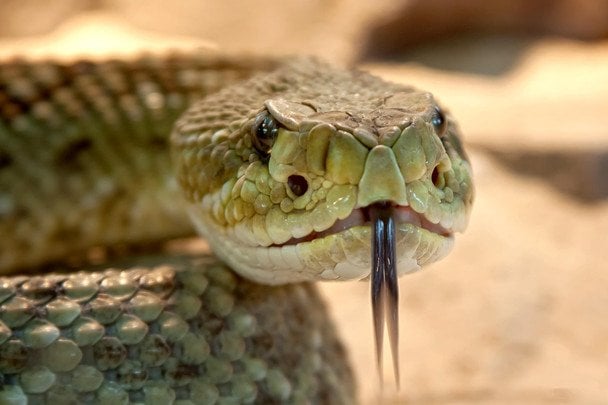
According to TSN.ua: A study published in the journal Royal Society Open Biology has revealed that snakes, chameleons, and some lizards have lost the genes responsible for producing the hunger hormone ghrelin. This discovery helps explain how these reptiles can survive for extended periods without eating. This research provides a fascinating look into the extreme adaptations some animals have evolved to cope with unpredictable food sources.
An analysis of the genomes of 112 reptile species showed that all studied snake species, along with several chameleons and lizards of the genus Phrynocephalus, have either lost their ghrelin genes or rendered them non-functional. In boas and pythons, only fragments of the ghrelin genes remain, while vipers, cobras, mambas, and colubrid snakes have lost these genes entirely. In the toad-headed agama, the ghrelin gene is damaged, but the gene for the MBOAT4 enzyme remains functional.
Evolutionary Adaptations of Reptiles
These genetic changes indicate that the loss of the hunger hormone occurred multiple times in different reptile lineages, offering new perspectives for studying evolutionary adaptations in these animals. The findings could help clarify the survival mechanisms reptiles use when food is scarce. Understanding these adaptations is crucial, as many of these species face increasing environmental pressures.
The research, conducted on a large number of species, underscores the importance of evolutionary adaptations for surviving resource scarcity. Comprehending how reptiles have adapted to prolonged fasting is significant for studying their ecology and behavior. It also raises new questions about the impact of climate change and other environmental factors on these species, which may face serious challenges in the future.
Read also
- New Drug Doubles Survival in Pancreatic Cancer Patients: A Breakthrough in Treatment
- Flesh-Eating Parasite Discovered in Texas for First Time Since the 1980s—What It Means for the U.S
- Bacteria on Paper Money: How Long They Survive, Warns Doctor
- Military Personnel and Veterans Eligible for Spa Stay Reimbursements: What You Need to Know
- A Powerful G3-Class Geomagnetic Storm to Hit Earth on June 5: What It Means for You
- Troops May Face Repeat Medical Boards: Key Wording in Health Certificates