Critical Infrastructure Damaged in Russian Strikes on Kharkiv and Chernihiv Regions.


Coordinated Assaults Target Kharkiv and Chernihiv
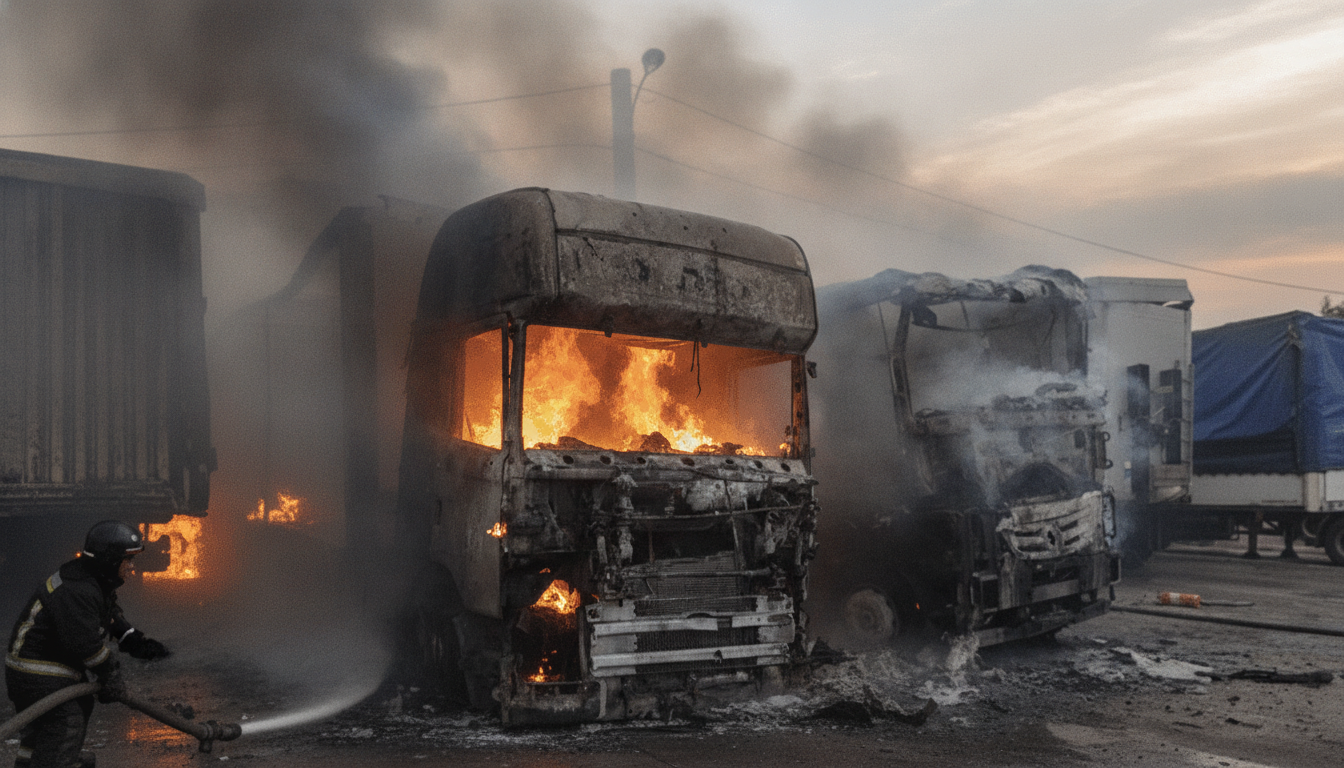
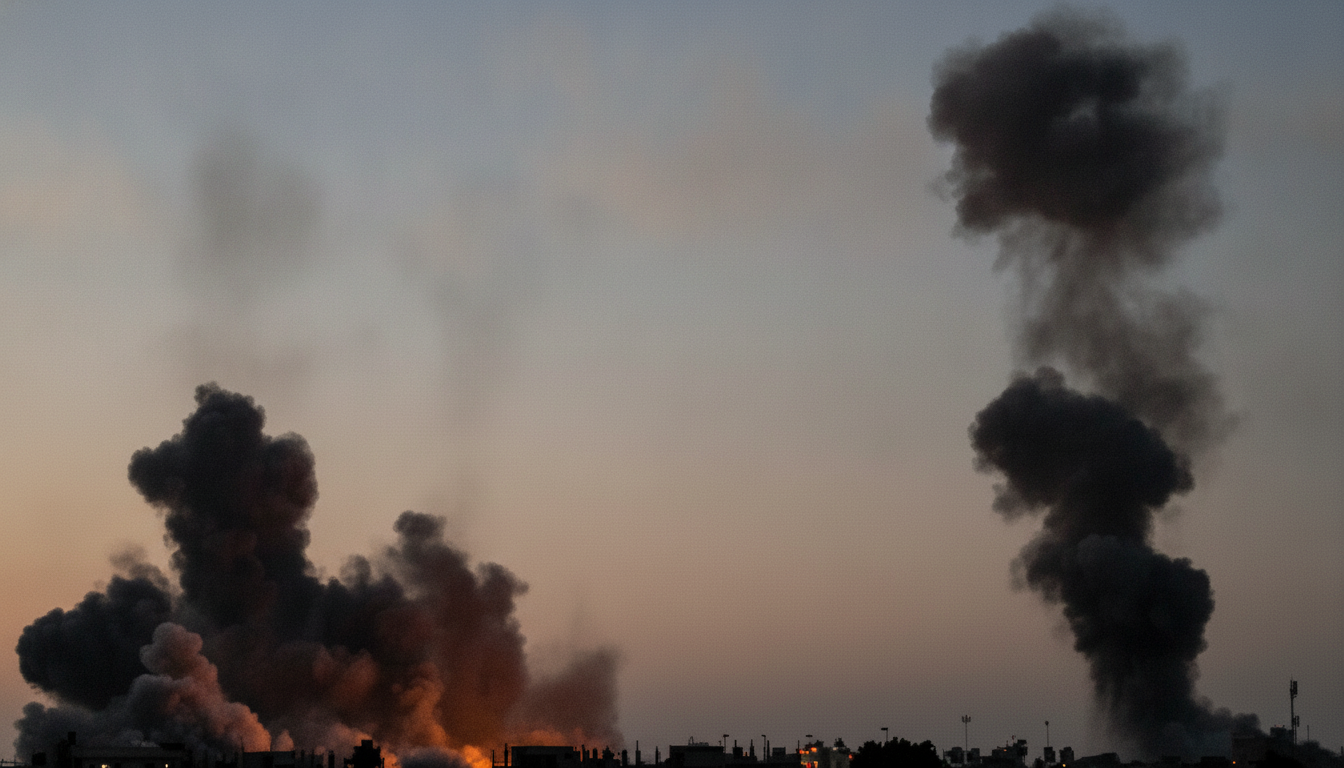
According to UATV: On January 19, 2023, Russian military forces launched a major assault on the Kharkiv and Chernihiv regions, targeting critical infrastructure. These attacks resulted in significant damage to facilities essential for the daily life of the region. This escalation follows a pattern of Russian strikes aimed at crippling Ukraine's energy grid and civilian support systems during the winter months.
The attack on Kharkiv was carried out using missiles and drones. During the day, one Russian drone struck the city center, while debris from another drone was recorded falling in the Novobavarskyi district. Kharkiv Mayor Ihor Terekhov reported that:
"The enemy attacked a critical infrastructure object with four rockets, inflicting significant damage." - Ihor Terekhov
A 45-year-old woman was injured as a result of this attack.
Chernihiv Region Under Fire
The Chernihiv region also suffered heavily, enduring nearly 50 missile strikes over the course of a day, with energy facilities among the primary targets. These strikes left approximately one hundred settlements without power. Head of the regional military administration, Viacheslav Chaus, confirmed the destruction, stating:
"We have a strike drone hit in the Saltivskyi district. Windows in houses and cars were damaged." - Viacheslav Chaus
These events underscore the rising tension in the region and the severe consequences of the war for the civilian population. The coordinated strikes on critical infrastructure point to strategic shifts in combat operations that could have far-reaching implications for stability in Ukraine. Leaving such a large number of settlements in the Chernihiv region without electricity is likely to worsen the humanitarian situation and create additional challenges for local authorities in maintaining the region's viability.
Read also
- Four Injured, Including a 10-Month-Old, After Russian Drone Strikes Road in Kharkiv
- July 4 Strike on Kharkiv: Civilian Enterprise Hit, Casualties Reported
- Kyiv Falls Behind Kharkiv and Mykolaiv in City Preparedness, Says Desnyan District Chief
- Affordable Housing as a Weapon Against Emigration: What Frontline Cities Are Offering
- Kharkiv and Turin Forge New Partnership: Key Points of the Cooperation Agreement
- June 2026 in Kharkiv: 142 Attacks Claim 12 Lives and Injure 122