Russia Plans Flag-Raising Propaganda Stunt in Occupied Villages for February 24.

Russia's Plan to Plant Flags in Occupied Areas
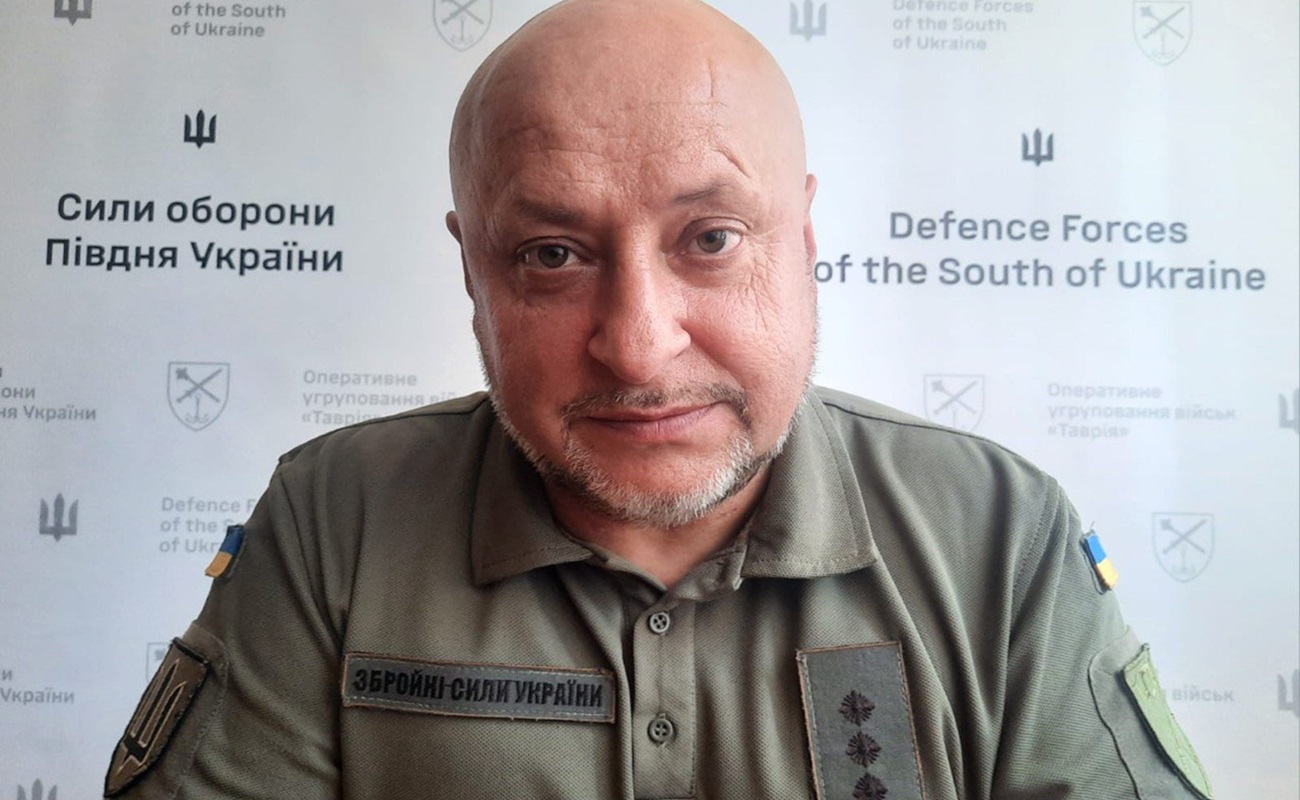
According to UATV: On the anniversary of its full-scale invasion of Ukraine, Russia intends to install its flags in rear settlements of occupied territories. This order was disclosed by Vladyslav Voloshyn, spokesperson for Ukraine's Southern Defense Forces. The flag-raising events are to be photographed and filmed for reporting to Russian leadership.
Units operating on the Huliaipole and Alexandrovka fronts have received directives to carry out the flag installations. These actions form part of the strategy employed by occupation authorities in Russian-controlled areas. This move is widely seen as a symbolic effort to assert control and create a facade of permanence.
Military Buildup and Drone Training in Crimea
Separately, infrastructure for training drone operators has been established in Crimea, indicating an escalation in military presence and preparedness in the region. The development of such specialized facilities suggests Russia is fortifying its capabilities for potential future operations.
Analysts view Russia's actions as an attempt to legitimize its presence in occupied territories, a propaganda step within the ongoing conflict. Scheduling the flag displays for the invasion anniversary appears designed to project strength and solidify claims of control. These developments contribute to heightened regional tensions, as Ukraine and its allies monitor the consolidation of Russian military assets in occupied areas.
Read also
- Security Risk in Germany: Far-Right AfD Could Take Over Counterintelligence
- Ukrainian Army Captain Önistrat, Appointed 'Chief Paper Pusher,' Decides to Leave Military Service
- Zelenskyy on the Hunt for a New U.S. Ambassador After Svyrydenko Turns Down the Role
- Ukraine Cripples Russian Logistics in the South: Operation 'Milk' Strangles Crimea
- New Ukrainian Ministry Established: Here's Who Will Lead It
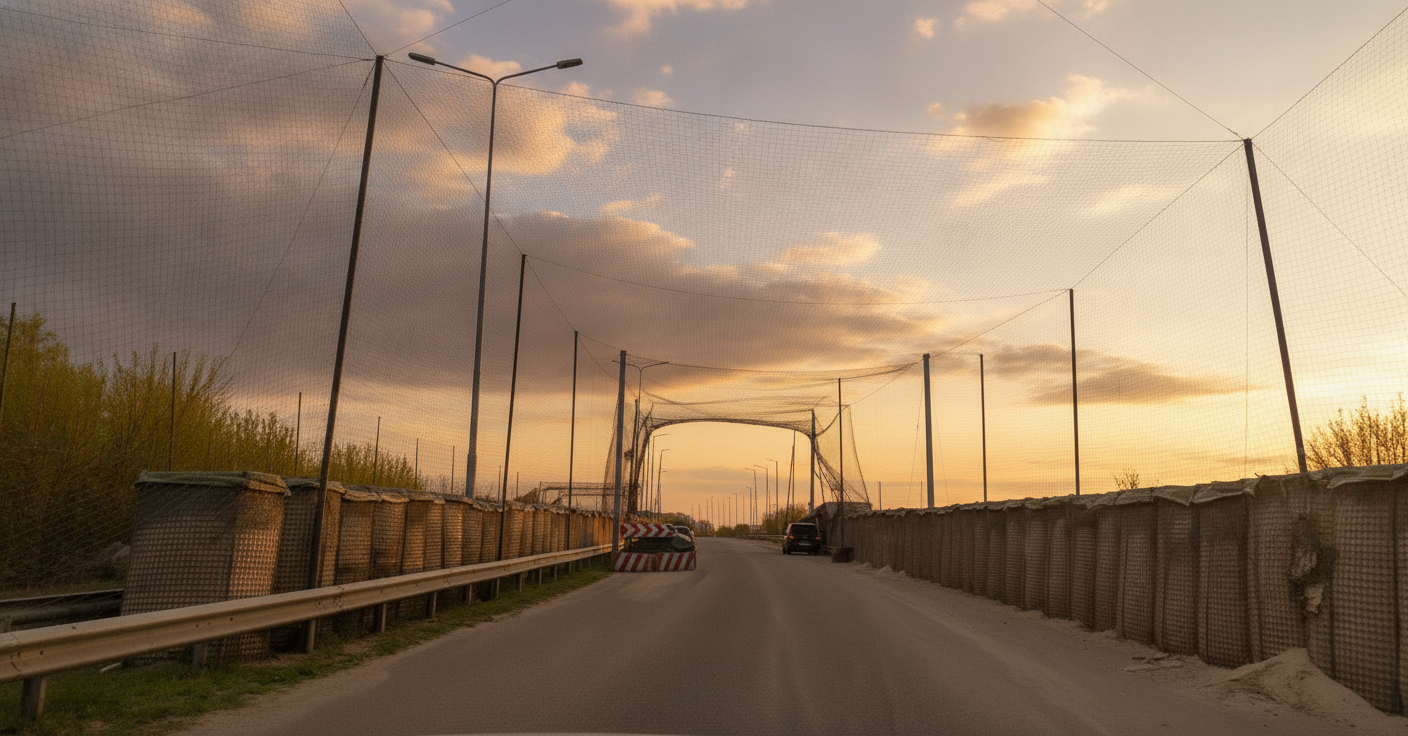
- Over 1,000 Kilometers of Drone-Proof Barriers Installed on Ukraine’s Supply Routes