Russia Plans Spring-Summer Offensive: Can 409,000 New Recruits Make a Difference?.

Russia's Preparations for the Spring-Summer Campaign
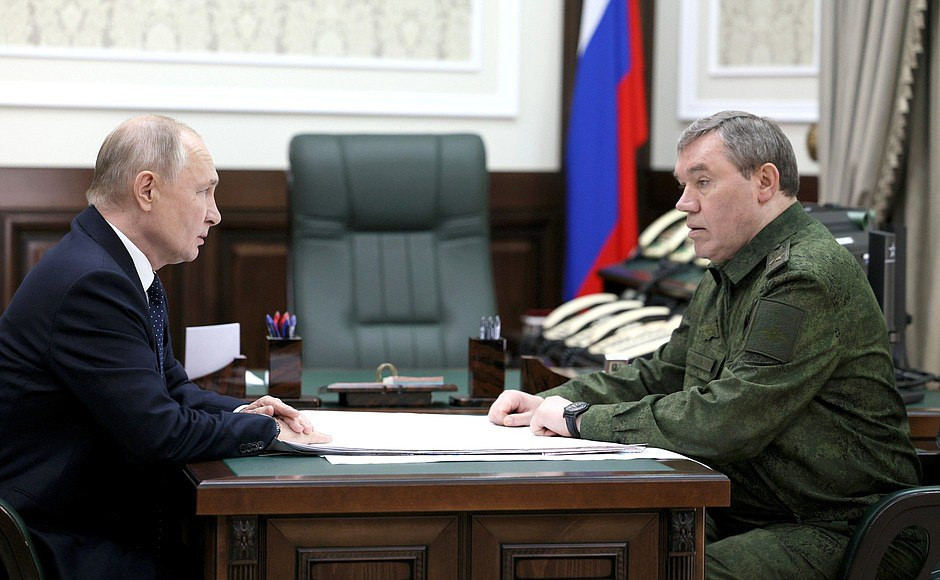
According to UATV: On March 13, 2023, reports emerged detailing Russia's plans for a spring-summer offensive against Ukraine. Moscow intends to mobilize 409,000 military personnel over the next year, signaling a major push to expand its armed forces. However, in 2022, Russia attempted to form 14 new divisions but succeeded in assembling only 7, highlighting persistent challenges in its mobilization efforts. This context is crucial for understanding the current military landscape, as both sides brace for intensified conflict in the coming months.
Ukrainian Forces Take the Initiative
In certain sectors, Ukrainian troops are continuing to launch counterattacks. General Oleksandr Syrskyi noted two months ago that
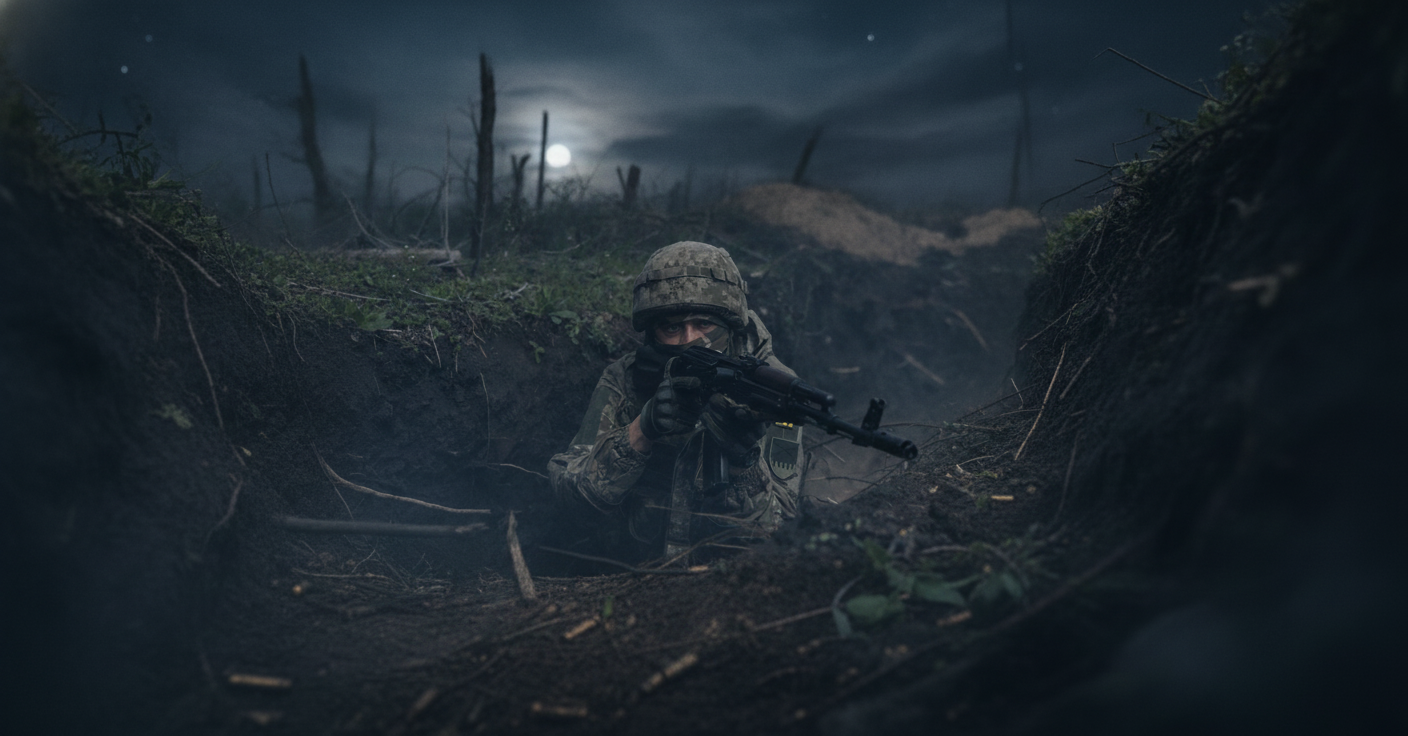
“our defenders have shifted to active defense”. This strategy, combined with counteroffensives in the Dnipropetrovsk and Zaporizhzhia regions, underscores Ukraine's readiness to respond aggressively to Russian threats.
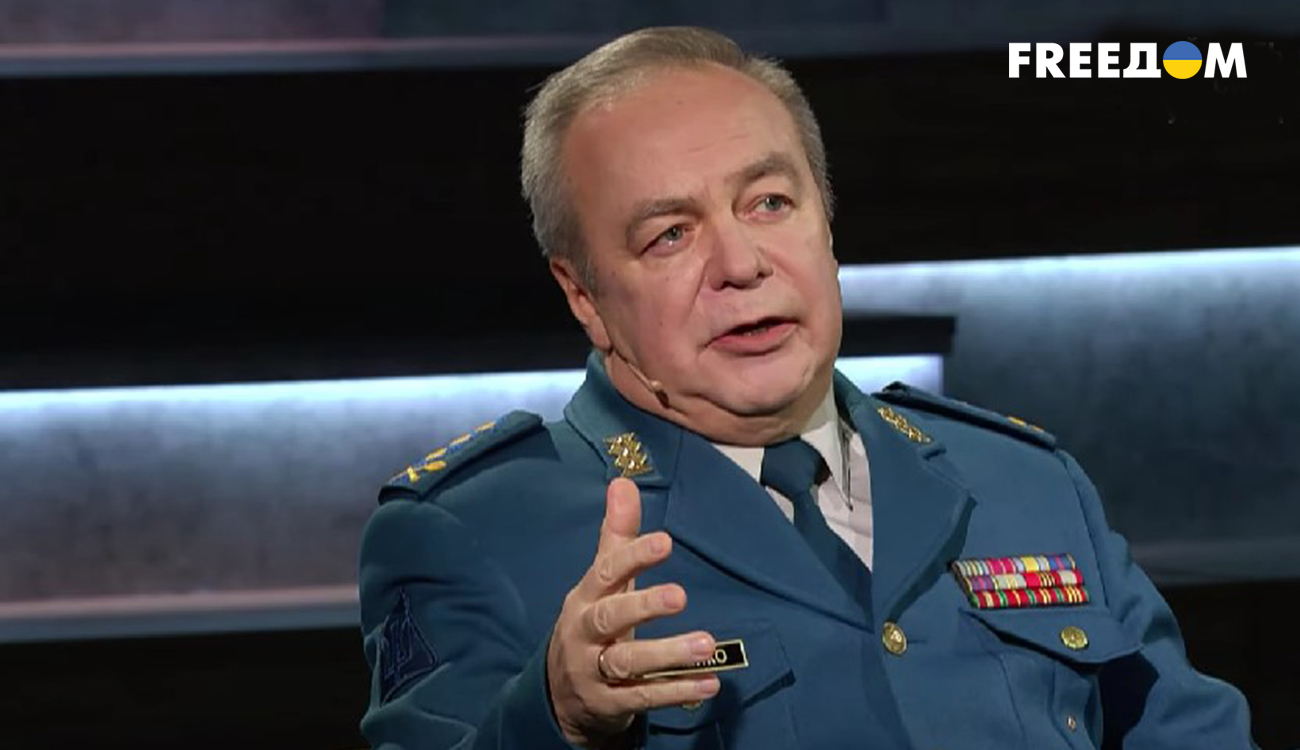
Military analyst Ihor Romanenko commented that Russian forces
“are preparing and counting on the spring-summer campaign”. He added that 'they are trying to step up their activity to halt our counterattacks.' This suggests a dynamic where both sides are reinforcing their positions, anticipating significant clashes in the near future.
Overall, the frontline situation remains tense, with both parties engaged in active military operations. This highlights the critical importance of mobilization and strategic planning for offensive actions.
The coming months will be pivotal for the Ukrainian-Russian front, as both sides actively prepare for potential combat. Russia's ambitious recruitment targets point to a continued aggressive stance, while Ukrainian forces, through sustained counterattacks, aim to hold and strengthen their ground. These developments could significantly shape the conflict's trajectory and regional stability.
Read also
- Up to 20 Russian Assaults Per Day: Ukraine’s Top Commander Visits the Hottest Frontline Sector
- Protests Erupt as Defense Minister Fedorov Resigns: Military and Public Push Back
- Military Strategy Meeting: Zelenskyy Reviews Frontline Defenses with Top Commanders
- Ukrainian Defense Minister Fedorov Resigns Amid Kyiv Protests and EU Concern
- Ukraine’s Forces Repel 249 Russian Assaults in a Day, Destroy Command Post
- Mass protests erupt across Kyiv and other cities following Fedorov's resignation