Russia's Air Defense Upgrades During the Ukraine War Pose a Growing Challenge for NATO.

The Evolution of Russian Air Defense in the Ukraine Conflict
According to TSN.ua: Russia's air defense network is undergoing significant evolution during the war in Ukraine. Despite suffering equipment losses, Moscow continues to modernize its systems and gain valuable combat experience. This development presents a serious challenge for NATO, as the advanced technologies being integrated into the Russian military could complicate regional security. The conflict has effectively become a testing ground for Russia's next-generation capabilities.
According to Justin Bronk, an airpower analyst at the Royal United Services Institute (RUSI) in the UK, Western forces possess detailed intelligence on the strengths and weaknesses of Russian air defenses. However, he notes that available resources are currently insufficient to rapidly and reliably neutralize this threat in a potential direct confrontation. Russia continues to produce modern systems and intensively train new crews, thereby enhancing its overall combat readiness.
NATO Training Exercises and Russian Modernization
The deployment of the S-350 "Vityaz" surface-to-air missile systems has substantially increased the mobility and firepower of Russian air defenses. Furthermore, integration with A-50U long-range radar detection aircraft allows Russian forces to identify aerial targets at greater distances, complicating an adversary's operational planning.
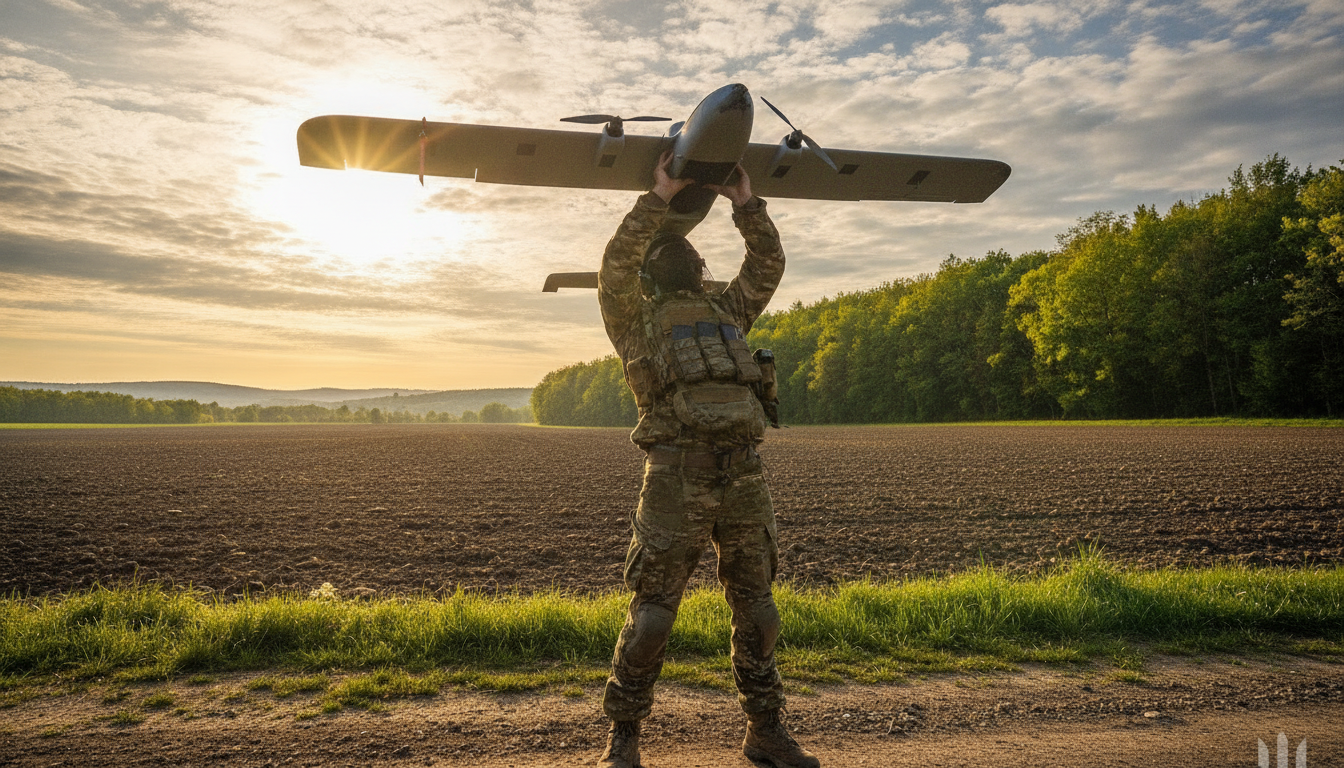
In May 2022, NATO conducted the Hedgehog 2025 exercises in Estonia, involving a NATO battle group that included a British brigade and an Estonian division, totaling several thousand troops. During these drills, a contingent of 10–12 Ukrainian Armed Forces personnel simulated the destruction of 17 armored vehicles and struck 30 other targets. Despite this demonstration, the results for the Alliance forces were described as "dreadful" by Aivar Hanniot, a drone systems coordinator for the Estonian Defence League. This highlights a gap between theoretical planning and the harsh realities of modern combat.
The Ukrainian contingent's performance served as a stark example of how frontline experience can enhance the security of European partners through practical, war-tested tactics. Russia's ongoing air defense modernization, combined with new combat technologies, presents NATO with fresh challenges that necessitate a re-evaluation of regional security strategies.
Given the constantly shifting security landscape in Europe, the adaptation of Western military strategy has become critically important. These developments underscore the necessity for close cooperation among allies to formulate effective countermeasures against emerging threats, particularly from upgraded Russian air defense systems. The continuing evolution of this situation could alter the regional balance of power and demand innovative approaches to ensuring European security.
Read also
- Ukrainian Armed Forces Set a Record: Over 8,600 Enemy Vehicles Destroyed in May
- Moscow Redirects Ukrainian Drones; Kyiv Pitches 'Drone Deal' to Shield Europe
- Investigation Concluded After Russian IL-18 Violates Finnish Airspace
- Iran Hit by US Strikes After Apache Helicopter Downed
- Ukrainian Forces Strike Ammunition Depots in Russia’s Belgorod Region: Inside the Successful Operation
- Finland Concludes Border Breach Probe: Russian IL-18 Jet Entered Its Airspace