Kremlin Stalls Peace Talks, Refusing to Engage in Negotiations.


Russia-Ukraine Negotiations at an Impasse
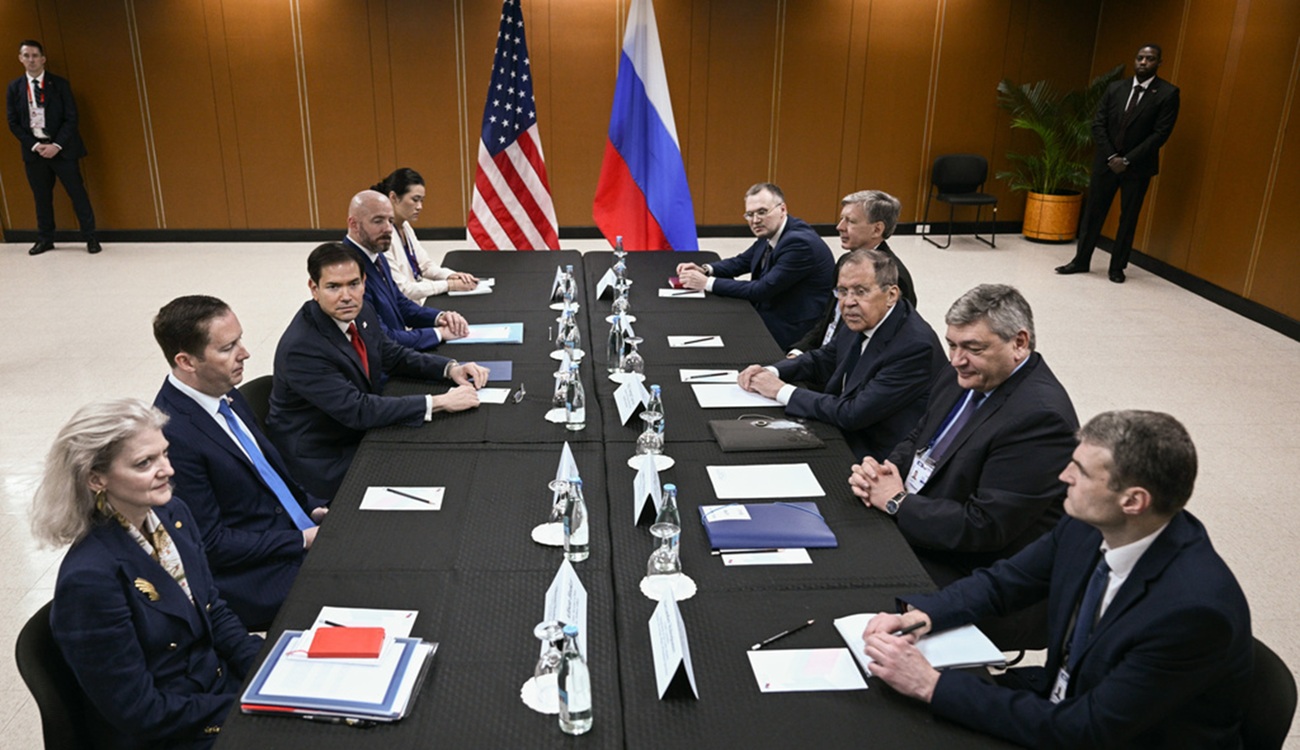
According to UATV: Russia is deliberately stalling peace negotiations with Ukraine, rejecting any terms that would require concessions. A planned meeting in Miami will not proceed, as Moscow has refused to hold talks on that territory. This move is widely interpreted as a sign that the Kremlin lacks any genuine desire to reach a substantive agreement.
According to foreign and domestic policy expert Lyudmyla Pokrovshchuk,
“It is highly likely that Russia will drag its feet as much as possible regarding the proposal for the next round of talks in the United States.”This suggests Russia intends to prolong the negotiation process indefinitely, showing no readiness for compromise. Recent reports indicate that any deal to secure peace could be delayed for the foreseeable future.
Bohdan Popov, an analyst at the 'United Ukraine' think tank, further notes,
“Dictator Putin has absolutely no need for these negotiations to yield any tangible results.”This statement underscores the Kremlin's apparent position of having no intention to achieve outcomes that could alter the current status quo on the ground.
The International Dimension
Amid this diplomatic stalling, former U.S. President Donald Trump is shifting his own approach to negotiating an end to the war in Ukraine. While future peace discussions may potentially be relocated to the United States, it remains unclear whether Russia will agree to such terms. The situation remains tense, with the Kremlin's next steps causing growing concern within the international community. The war in Ukraine continues to be a major point of global geopolitical friction.
Russia's delaying tactics likely point to a broader strategy of maintaining the current situation and avoiding any meaningful compromises. In this context, the reaction of the international community is crucial to monitor, as the Kremlin's future actions could significantly impact global security and stability. Although talks in the U.S. could offer a new platform for potential dialogue, their success will entirely depend on both sides' willingness to engage constructively—a prospect that currently seems remote.
Read also
- Trump Approves Nuclear Deal with Saudi Arabia, Allowing Enrichment Without IAEA Oversight
- Pentagon Requests $67 Billion More as US War Costs Against Iran Hit $37.5 Billion
- Iran Faces Infrastructure Bombing Under New US Strategy Announced by Trump for Strait of Hormuz Attacks
- Ukraine’s Air Defense Gets a Boost: New Interceptor Missiles for Patriot Systems Discussed with NATO
- Putin Abandons Plans to Return Occupied Lands to Ukraine: What We Know About the So-Called 'Buffer Zones'
- Trump Endorses FIFA's Ban on Balogun and Backs New UN Secretary-General Pick