Ukraine's Ambassador to the U.S. Details Russia's New War Strategy Amid Stalled Frontline Gains.

A Shift in Russia's Aggressive Tactics
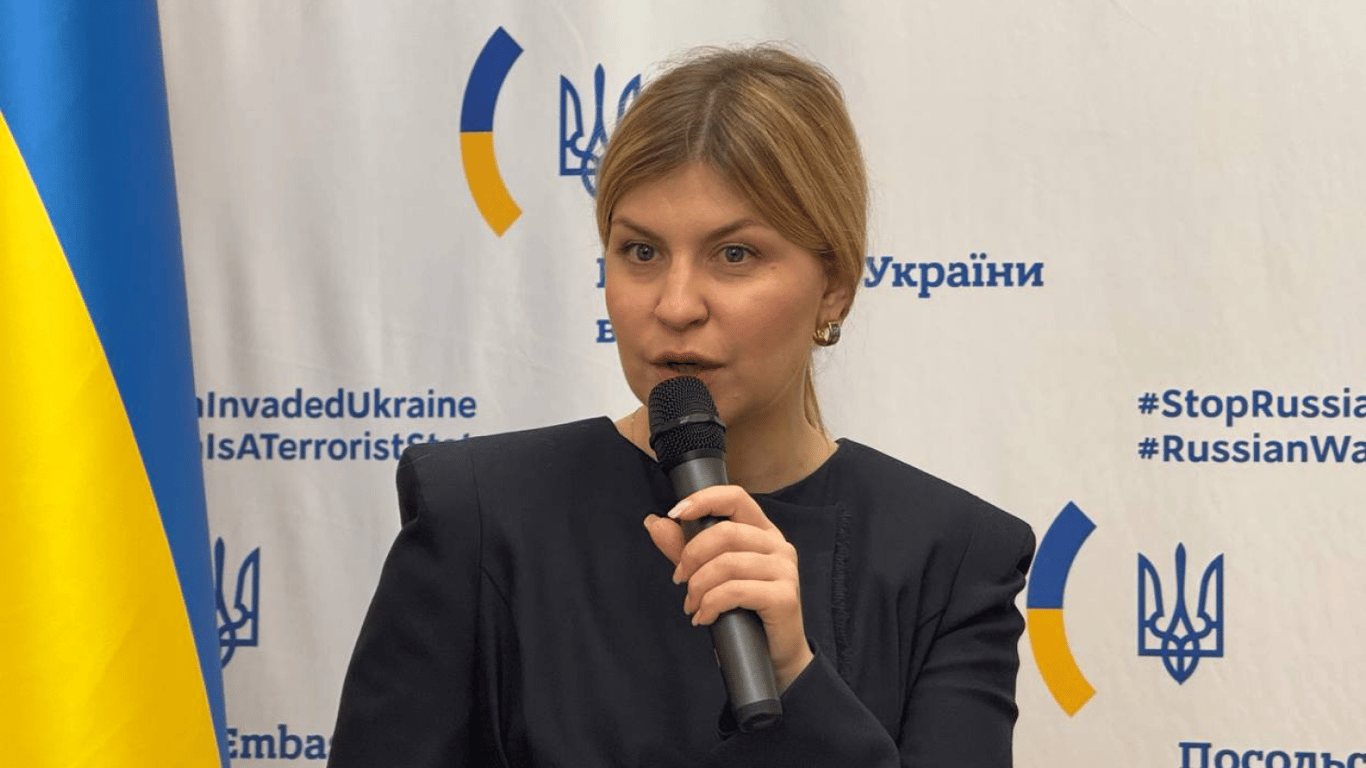
According to Novyny.live: Ukraine's Ambassador to the United States, Olena Stefanishyna, has reported a significant change in the nature of Russia's aggression. She emphasized that Russian forces are failing to achieve strategic successes on the battlefield and are instead escalating attacks on civilian infrastructure. According to her assessment, Russian troops are suffering heavy losses, amounting to approximately 35,000 personnel per month. Stefanishyna stated that this winter, Russia initiated mass assaults on civilian targets, a clear indicator of a tactical shift in its war strategy.
Terrorist Acts Across Ukraine
Just three days before Stefanishyna's meeting in Mykolaiv, terrorist acts occurred in Lviv and other Ukrainian regions. On the night of February 23, explosions rocked Lviv, injuring 25 people and killing police officer Viktoriia Shpylka. Lviv Mayor Andriy Sadovyi also declared the incident an act of terrorism and confirmed Russia's involvement in this violent attack. These strikes on urban centers are part of a broader campaign to terrorize the civilian population.
Olena Stefanishyna stressed that, despite the current attacks and changes in Moscow's aggressive strategy, 'Moscow will not be able to win this war.'
This statement reflects the Ukrainian side's confidence in its ability to withstand Russian aggression, even in the face of increased assaults on non-military targets.
Russia's tactical shift to intensifying attacks on civilian infrastructure appears to be an attempt by the Kremlin to increase pressure on Ukraine, given its lack of significant progress on the front lines. This form of aggression is likely aimed not only at destabilizing the situation within Ukraine but also at intimidating its civilian population. In light of this, continued international response to these events remains crucial, as it can influence the course of the conflict and its regional consequences.
Read also
- Storm aftermath in Lviv: 30 trees toppled, a child injured as cleanup operations begin
- Starmer Steps Down: Andy Burnham Emerges as Top Contender for UK Prime Minister
- Assault on Soldiers in Lviv: Will E-Scooter Regulations Change After the Incident?
- Stricter E-Scooter Regulations Take Effect in Lviv Starting July 1
- Customs Officer Kills Draft Official in Lviv While Defending Brother from Conscription
- European Culture Ministers Gather in Lviv After Russian Attack: Key Outcomes