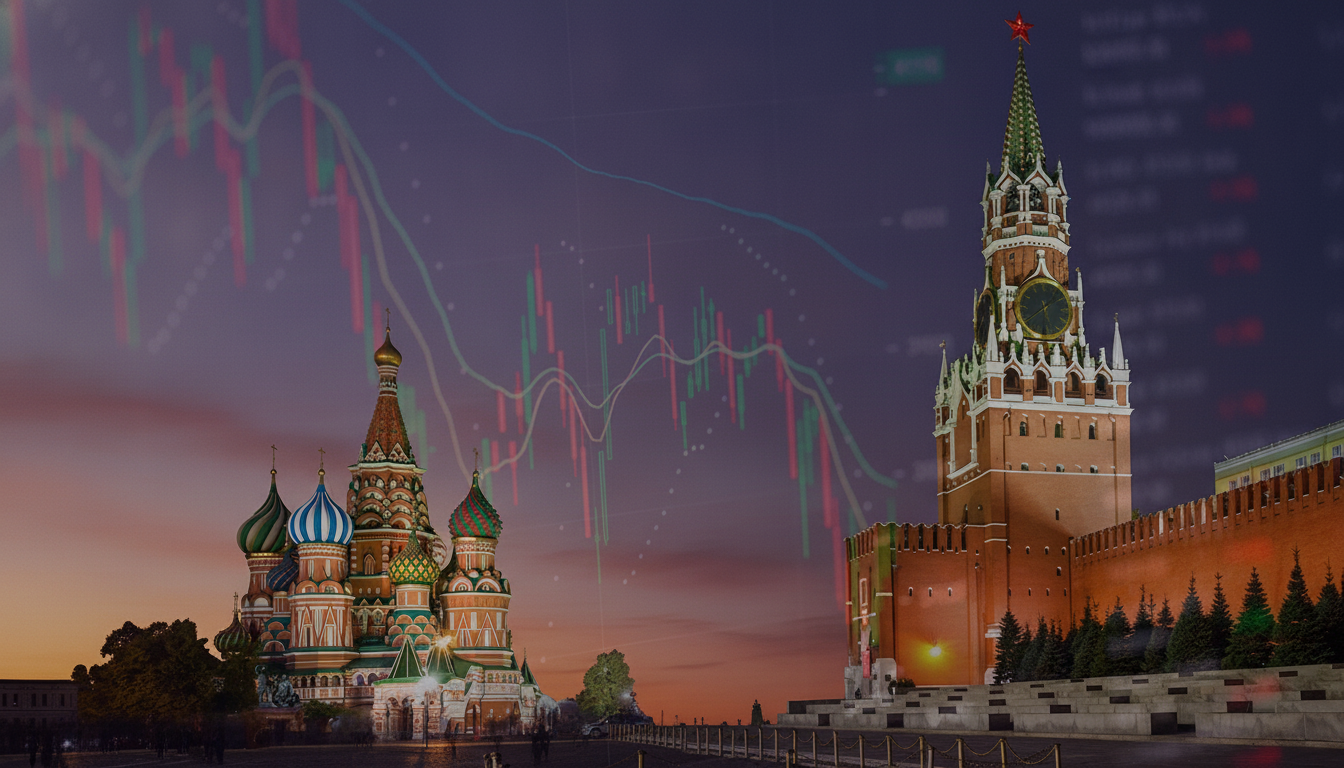
Kremlin's Oil Dumping Strategy Falters as Russian Crude Drops Below Production Cost.

Kremlin's Oil Dumping Strategy Falters as Russian Crude Drops Below Production Cost
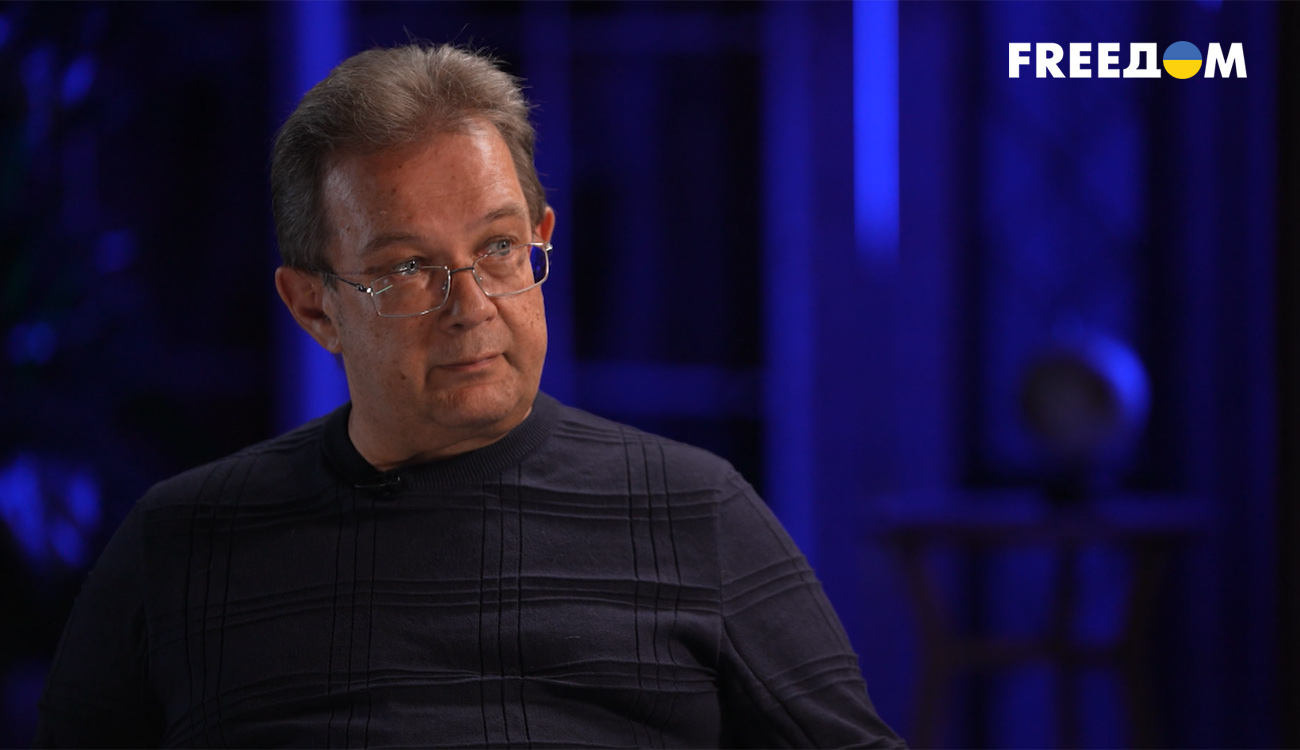
According to UATV: On January 29, 2023, expert Oleg Pendzin stated during a broadcast on the FREEДОМ TV channel that the Kremlin's strategy of retaining Asian markets through price dumping is losing its effectiveness. This is due to international oversight and pressure from the United States. As a result, Russian crude oil is accumulating in tankers, leading to unprofitable exports and a breakdown in logistics. The oil and gas sector, which accounts for up to half of all Russian budget revenues, is now facing severe challenges. This development is a direct consequence of sanctions and price caps imposed following Russia's invasion of Ukraine.
Mounting Issues in Russia's Oil Sector
Revenue from oil sales constitutes approximately 35-36% of the Russian federal budget, with income taxes from the oil industry making up about 50% of that total. However, over the last six months, the volume of oil held in tankers has increased by 1.6 times, indicating a significant buildup of crude that cannot be sold. The price of Russian oil has fallen to $32-33 per barrel, which is below its direct production cost.
Oleg Pendzin emphasized that India has become independent of Russian oil, while China only acts in directions that are beneficial to its own interests.
This creates additional difficulties for Russia as it attempts to maintain its position on the global market. A core problem is that Russia lacks sufficient real-world storage capacity for the accumulating crude. All of this points to the Kremlin's dumping tactics becoming increasingly ineffective under modern international pressure.
This situation highlights critical problems in the Russian oil sector that could have far-reaching consequences for the country's economy. The growing accumulation of oil in tankers may lead to further price declines and, consequently, reduced state income, which would seriously impact budget expenditures. Market participants may begin seeking new alternatives and investing in other sectors, increasing competition amid global shifts. Thus, Russia risks finding itself in even greater isolation on the world stage, which would worsen its economic prospects.
Read also
- Russia Sets Record in Gold Sell-Off: What It Signals for the Economy
- Putin’s Economic Claims Exposed as Manipulation by Ukraine’s Disinformation Center
- Rheinmetall to Double Gunpowder Output: What This Means for Ukraine
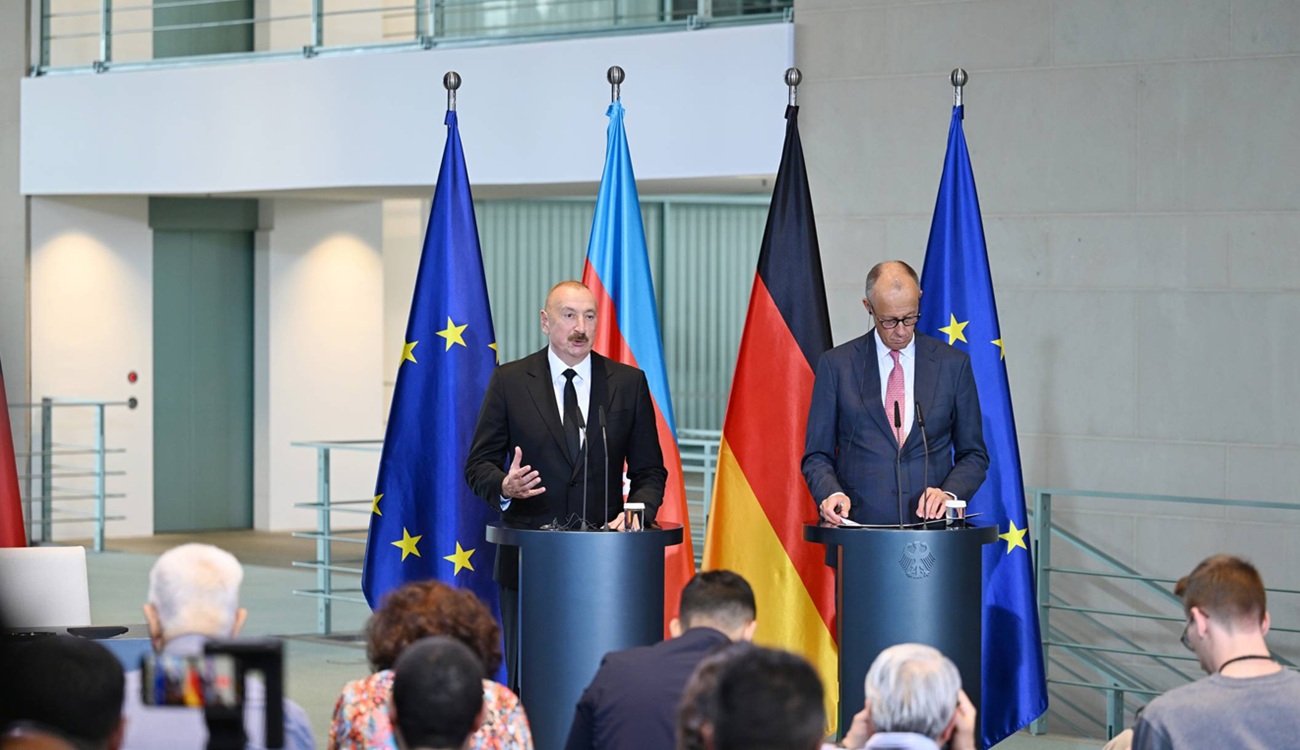
- Azerbaijan Steps Up as Europe's Energy Alternative: Gas Deliveries to Germany Already Underway
- IMF Demands Utility Rate Hikes as Naftogaz Debt Surges 63%
- 12 Red Flags for Shell Companies Identified by Ukraine's Central Bank: Banks Ordered to Scrutinize Importers