Russia's Oil Exports Face a Market Shift as India Cuts Back and China Buys More.

Global Market Pressures Mount for Russian Crude
According to UATV: Russia's oil industry is confronting significant global market pressures, marked by a sharp decline in purchases from India and a concurrent surge in imports by China. This shift is occurring against a backdrop of rising shipping costs and sanctions, which are impacting export volumes. As a result, India's purchases of Russian crude plummeted to a two-year low in December 2025, signaling a major change in market dynamics. This realignment reflects the complex interplay of geopolitics and economics in global energy trade.
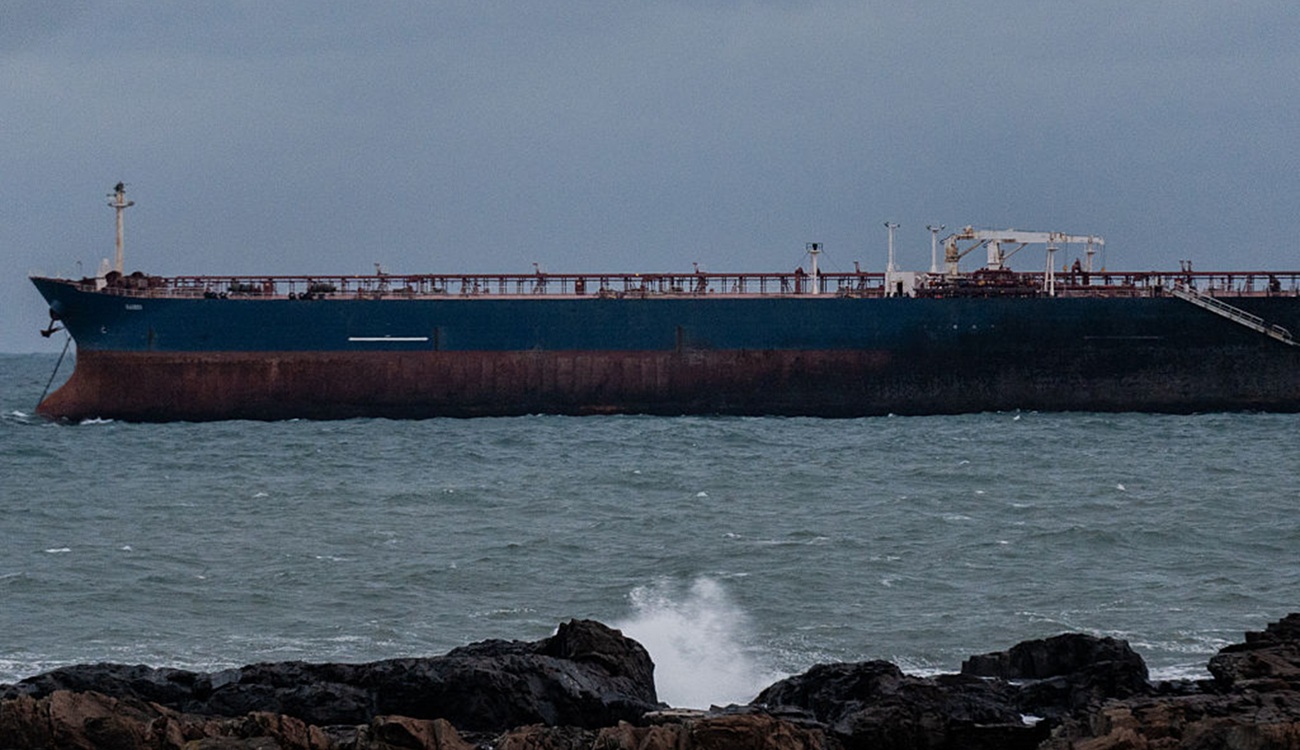
The situation is exacerbated by a severe shortage of tankers willing to transport Russian oil, forcing the Kremlin to pay steep freight premiums. For instance, the average cost to ship a ton of Russia's Urals crude from Primorsk to India's west coast soared to over $60 by late December, a dramatic increase from just $25 per ton a year earlier.
Meanwhile, China has significantly ramped up its intake of Urals crude since the start of 2026, importing approximately 400,000 barrels per day, which highlights a pivot in market priorities. Concurrently, the price per barrel of Russian oil has dropped by $10, and the volume of Urals crude held in floating storage on tankers has reached 13 million barrels.
Political and Economic Drivers
Amid these changes, Russia's 2026 federal budget is based on an assumed export oil price of $59 per barrel. These supply shifts from Russia are happening just as Middle Eastern producers, backed by higher OPEC+ output quotas, are increasing their shipments to global markets.
Political factors further complicate the landscape. In December 2025, U.S. President Donald Trump imposed 50% tariffs on most Indian goods, a move that could strain economic ties between Russia and India and potentially lead to further reductions in oil purchases.
Oleg Pendzin notes that Trump's ultimate goal is to establish a global oil price benchmark of $50 per barrel.
Recent events, such as the U.S. military's seizure of the tanker Sagitta in the Caribbean Sea, underscore the geopolitical risks associated with moving Russian oil. Analysts also point out that a significant portion of Russia's so-called "shadow fleet" is registered in Gabon, creating additional challenges for monitoring and controlling shipments.
Consequently, the outlook for the Russian oil market remains tense, with potentially significant repercussions for the country's economy and state budget. The market is undergoing a substantial transformation, driven by falling demand from India and rising imports by China. These trends suggest a broader recalibration of global procurement strategies for petroleum products, which will influence worldwide price dynamics and international economic relations.
Faced with persistent geopolitical risks and high freight rates, Russia will find it difficult to maintain stable export levels, a scenario that could have serious consequences for its economic stability.
Read also
- Trump Approves Nuclear Deal with Saudi Arabia, Allowing Enrichment Without IAEA Oversight
- Pentagon Requests $67 Billion More as US War Costs Against Iran Hit $37.5 Billion
- Iran Faces Infrastructure Bombing Under New US Strategy Announced by Trump for Strait of Hormuz Attacks
- Ukraine’s Air Defense Gets a Boost: New Interceptor Missiles for Patriot Systems Discussed with NATO
- Putin Abandons Plans to Return Occupied Lands to Ukraine: What We Know About the So-Called 'Buffer Zones'
- Trump Endorses FIFA's Ban on Balogun and Backs New UN Secretary-General Pick