Detection Systems Falter as Russian FPV Drones Transition to Frequencies Exceeding 6 GHz.

New Electronic Warfare Hurdle for Ukraine
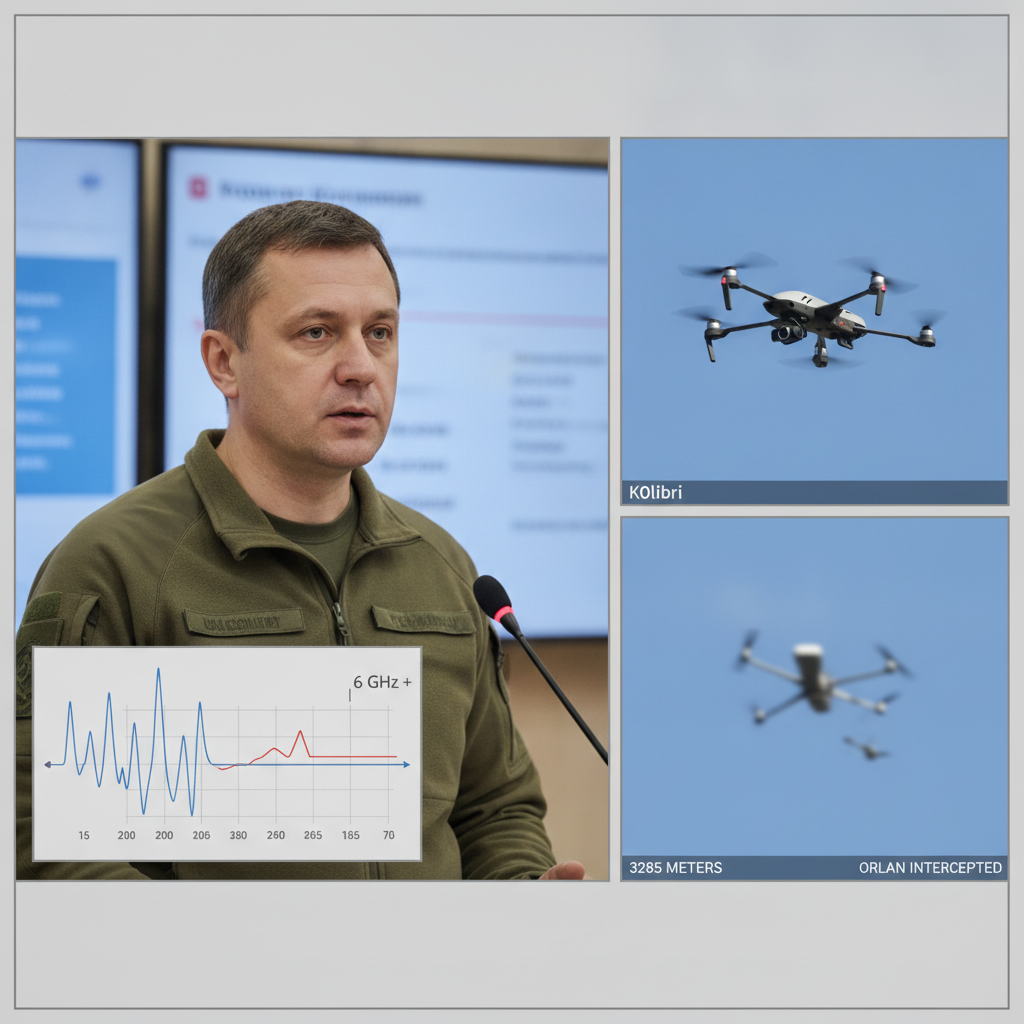
According to Espreso.tv: Russian FPV drones are now utilizing frequencies above 6 GHz, a development that significantly complicates detection and countermeasures for Ukrainian troops, reports Vadym Kushnikov. The vast majority of existing electronic warfare systems operate below 6 GHz, leaving them unable to effectively identify or jam these drones. This gives Russian forces a potential temporary edge while Ukraine works to adapt its technology.
“This is truly a very alarming signal, as we see the enemy moving to non-typical frequencies” – Vadym Kushnikov
Ukrainian FPV Drones Achieve High-Altitude Interception
Amid these new challenges, Ukrainian FPV drones continue to prove their worth. The Kolibri, a specialized anti-air FPV drone, managed to hit a Russian Orlan reconnaissance UAV at 3,285 meters – one of the highest confirmed interceptions by an FPV drone. This demonstrates the effectiveness of Ukrainian technology even as the enemy adapts.
The frequency shift reflects the evolving tactics in modern warfare, where technological superiority can be decisive. If Ukrainian forces cannot rapidly update their detection and countermeasure systems, they may face increased difficulties. However, successes like the Kolibri's interception provide hope that Ukrainian ingenuity can meet these new challenges.
Read also
- Proactive player safety: How AI is reshaping responsible gambling in iGaming
- By Mid-2027, Ukraine Aims to Complete Its Freyja Missile Defense System: Key Details
- New Chinese Flash Memory Stores Data Using Just One Electron, Slashing Requirement from 200,000 – a Potential Smartphone Game Changer
- Tantalum Alloy Retains Strength at 2400°C – Chinese Researchers Develop Material for Hypersonic Vehicles
- Disrupted Signals: How Electronic Warfare Is Affecting Car Key Fobs in Ukraine and Israel
- Antique Musket Balls Repurposed Into Solar Cells with 94% Efficiency