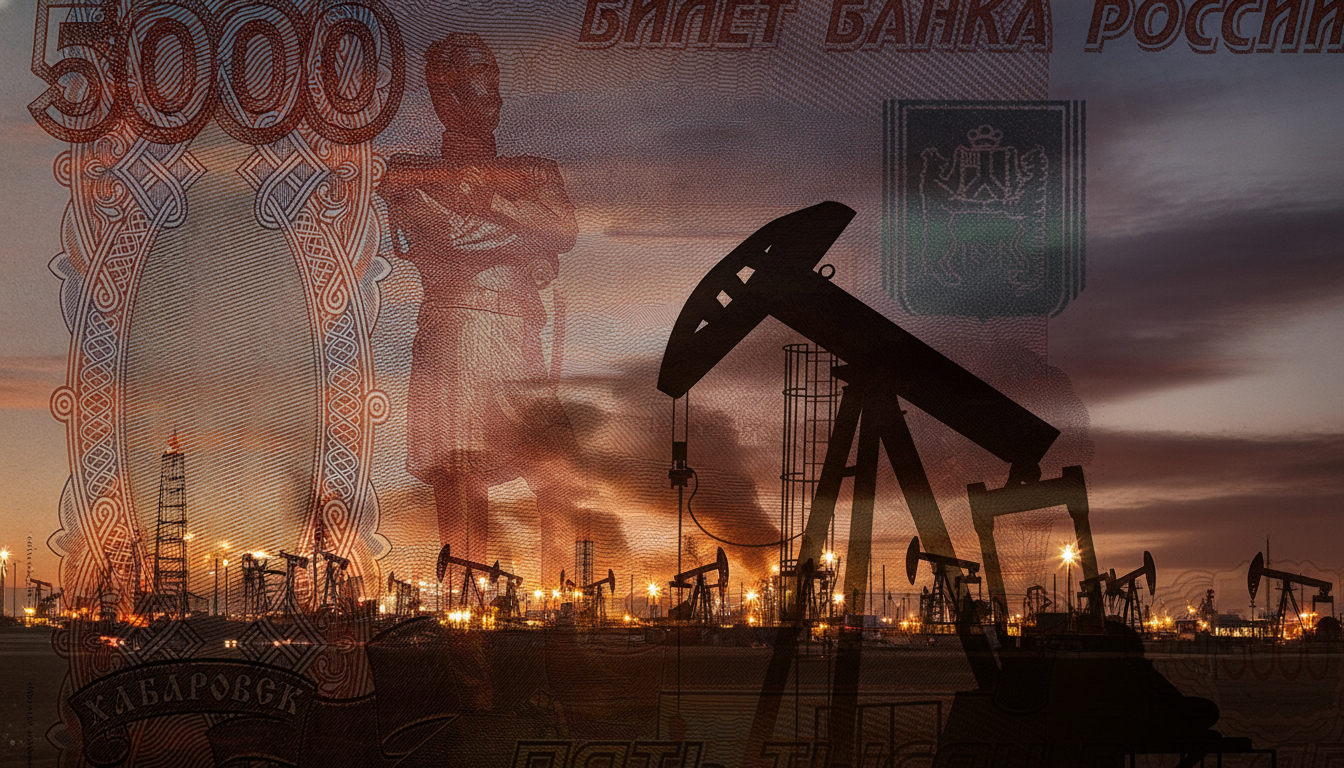
Sanctions against Russia and Iran: why nearly a billion barrels of oil are stuck at sea.

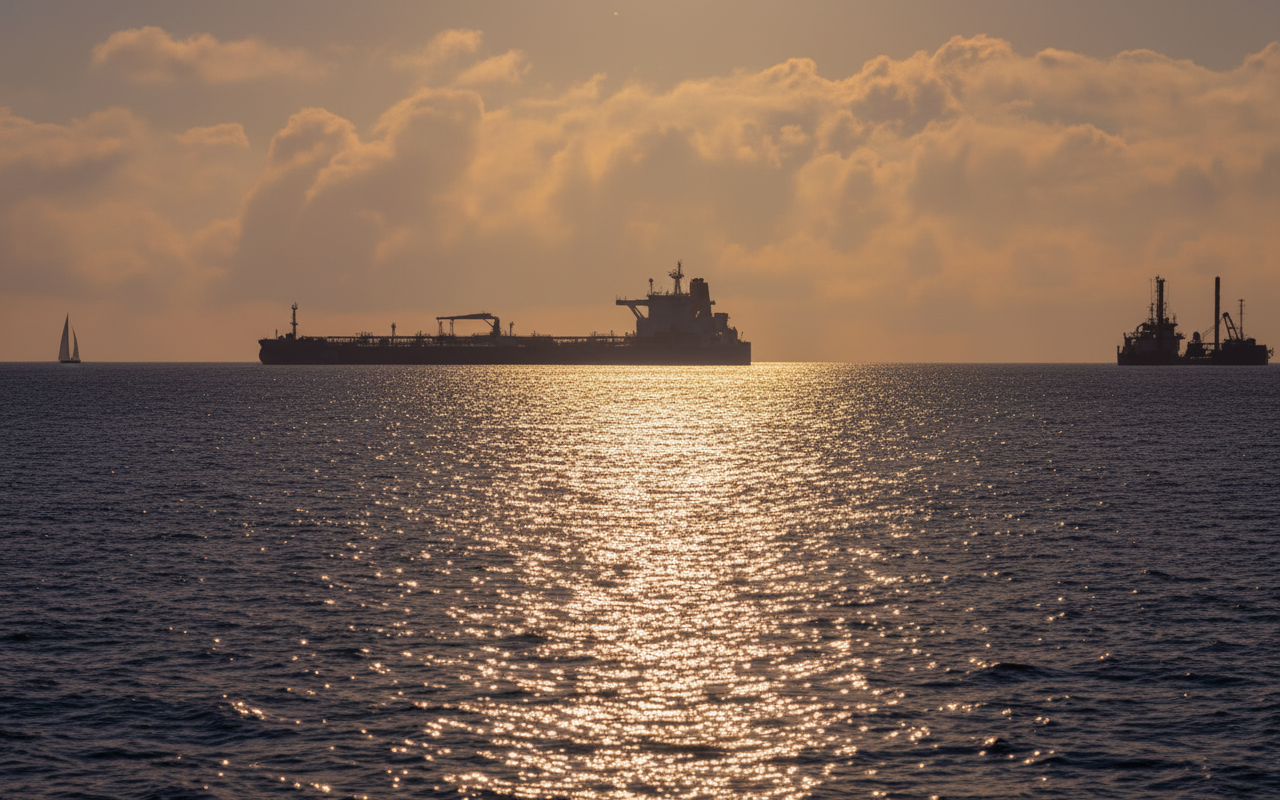
The situation with oil accumulation in tankers on the global market
According to inkorr.com: There is an unprecedented accumulation of crude oil in tankers at sea on the international oil market, reaching nearly 1 billion barrels. This phenomenon, known as 'floating storage', vividly demonstrates the stress and serious problems arising from Western sanctions against Russia and Iran, reports Bloomberg.
Since the end of August, floating oil stocks have increased by about 40%, with nearly all of the increase associated with supplies from Russia, Iran, Venezuela, or countries of ambiguous origin. The main reason for the formation of this bottleneck is the use of a shadow fleet of old tankers and the detouring of problem routes by countries subject to sanctions.
The impact of oil accumulation on the market
'The accumulation [of oil at sea] is extremely large and occurs not because there is no demand, but because sanctions against Russia and Iran create bottlenecks and tight spots in the global supply system,' notes Bloomberg.
Sanction restrictions force Russian and Iranian exporters to use a shadow fleet of old and opaque vessels. These tankers often choose longer routes to avoid monitoring and inspections, which in turn leads to prolonged transit times and limited transport capacities for oil transportation.
The overloaded tanker fleet incurs record costs — over $100,000 per day for one vessel. In October, tax revenues from oil in Russia decreased by more than 24% compared to last year.
Thus, the accumulation of oil in tankers on the global market underscores the stress and inefficiencies arising from sanctions against Russia and Iran. The use of shadow fleets and detour routes has led to severe consequences in the form of an oil surplus, significantly impacting the global market and the tanker industry.
Read also
- New U.S. Tariffs Hit 60 Nations: Here Are the Rates for the EU and Russia
- Russia’s Oil and Gas Revenue Set to Surge by 60%—Here’s What’s Driving the Jump
- IMF Disburses $690 Million Second Tranche to Ukraine: Where the Funds Are Going
- Russia’s Budget Deficit Could Hit 7 Trillion Rubles—What Are the Default Risks?
- Expert Sets Critical Threshold: 60% of Russia's Oil Refining Capacity Must Be Destroyed
- Russia Faces Imminent Fuel Crisis: Why Refinery Recovery Is Nearly Impossible, Expert Warns