Shifting U.S. Sanctions on Russia: Tariffs Reduced and Presidential Veto Power Introduced.

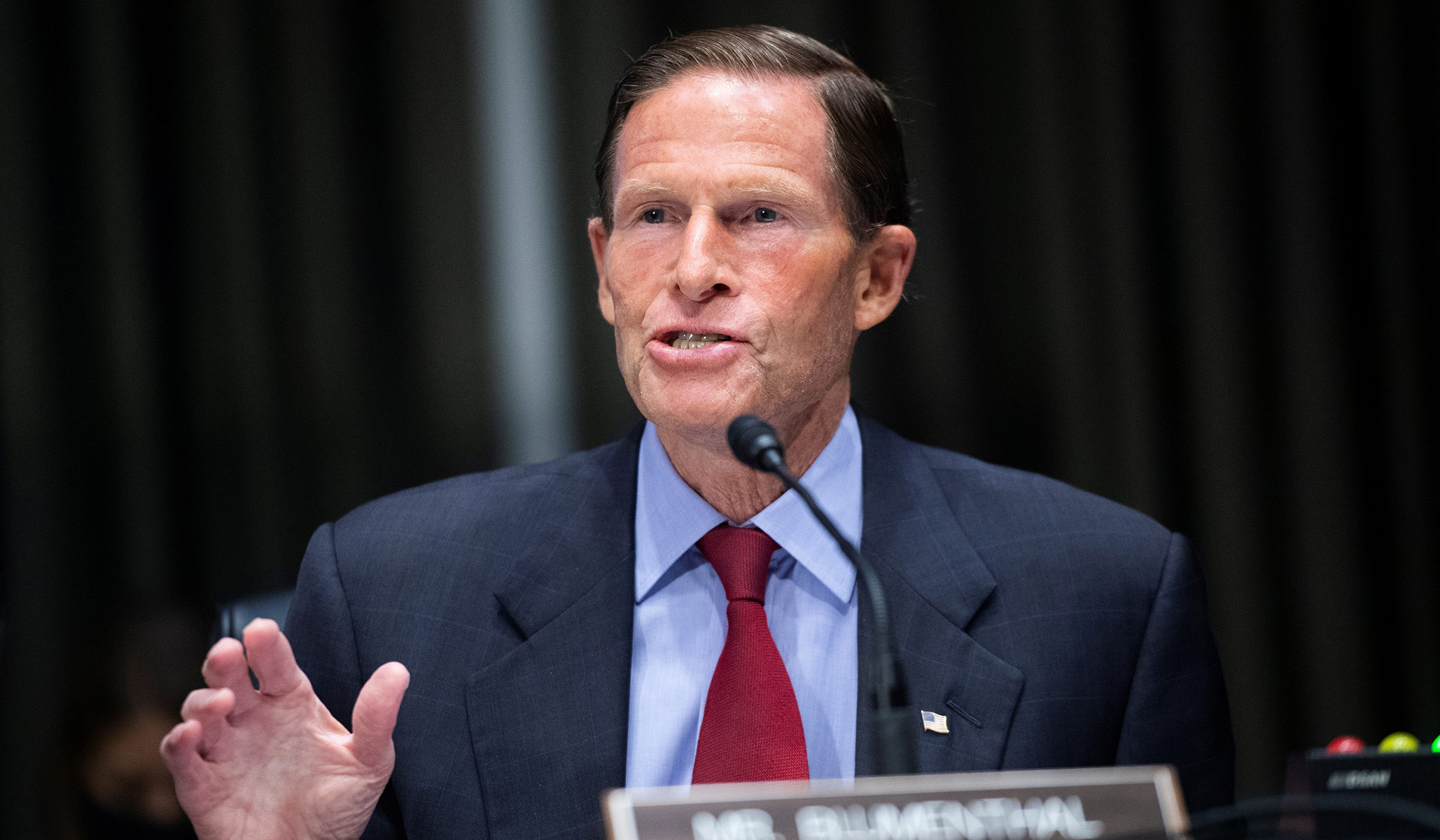
Revised Sanctions Bill Unveiled
According to Espreso.tv: A newly updated legislative proposal targeting Russia introduces lower tariffs for select nations, exemptions for Russian gas imports, and grants the U.S. president authority to override the sanctions. The bill, crafted over two years by Republican Senator Lindsey Graham and Democratic Senator Richard Blumenthal, marks a notable shift in approach. Senator Graham, a key driver of the initiative, passed away on July 11, 2023. For context, this legislation is part of ongoing U.S. efforts to adjust its stance on Russia amid the war in Ukraine and global energy dependencies.
Key Provisions of the Bill
The revised draft reduces the originally proposed 500% tariff on all importing countries to 100% for the top five nations. It also includes exemptions for countries where Russian gas constitutes less than 15% of their imports. These exempted nations include:
- Japan
- France
- Belgium
- Hungary
The five largest importers of Russian oil are listed as:
- China
- India
- Slovakia
- Hungary
- Azerbaijan
Major importers of Russian gas include:
- China
- France
- Japan
- Hungary
- Belgium
Graham confirmed reaching an agreement with the White House on the new bill on July 10, just days before his death. On July 13, Donald Trump voiced his support for the sanctions package. U.S. senators aim to pass the legislation before Congress's August recess, signaling an active push to tighten sanctions policy against Russia.
This bill is a critical component of U.S. foreign policy designed to curb Russia's global influence. The reduced tariffs and exemptions for certain allies could reshape Washington's relationships with nations reliant on Russian energy. Its passage may also indicate America's willingness to adapt its sanctions strategy to evolving economic realities and challenges tied to the Ukraine conflict and other geopolitical factors.
Read also
- US Senate Pushes for Urgent Vote on Graham's Russia Sanctions Bill
- Trump Threatens to Escalate Strikes on Iran if No Deal Reached with Tehran
- Oil Prices Surge as US-Iran Tensions Escalate Again
- U.S. Senators Endorse New Sanctions Package Against Russia: What Restrictions Are Coming
- After Senator Graham’s Death, Trump Backs New Russia Sanctions Bill
- Trump Announces License for Patriot Missile Production in Ukraine: What It Means