Saudi Arabia Considers Preemptive Strikes Against Iran: A Shift in Regional Strategy.

The Situation in Iran
According to UATV: Tensions in Iran remain high due to the potential consequences of a change in the country's top leadership and a new, more aggressive posture from Saudi Arabia. Recent developments indicate that Saudi Arabia has altered its stance and is now prepared to launch preemptive strikes against Iran. This shift is driven not only by Iran's internal issues but also by the external pressures the nation faces. The long-standing rivalry between these two regional powers, rooted in religious and geopolitical differences, adds a volatile dimension to the current crisis.
For now, the Iranian regime maintains control through a mobilized social base. However, a recent nationwide internet shutdown has severely hampered communication and the organization of protests. A significant factor influencing Iran's political landscape is Mojtaba Khamenei, the son of the late Supreme Leader, who operates a parallel power structure without holding any official government position. This arrangement suggests the potential for internal conflict and a power struggle within the ruling elite.
“The regime is firmly entrenched within its institutional framework.”
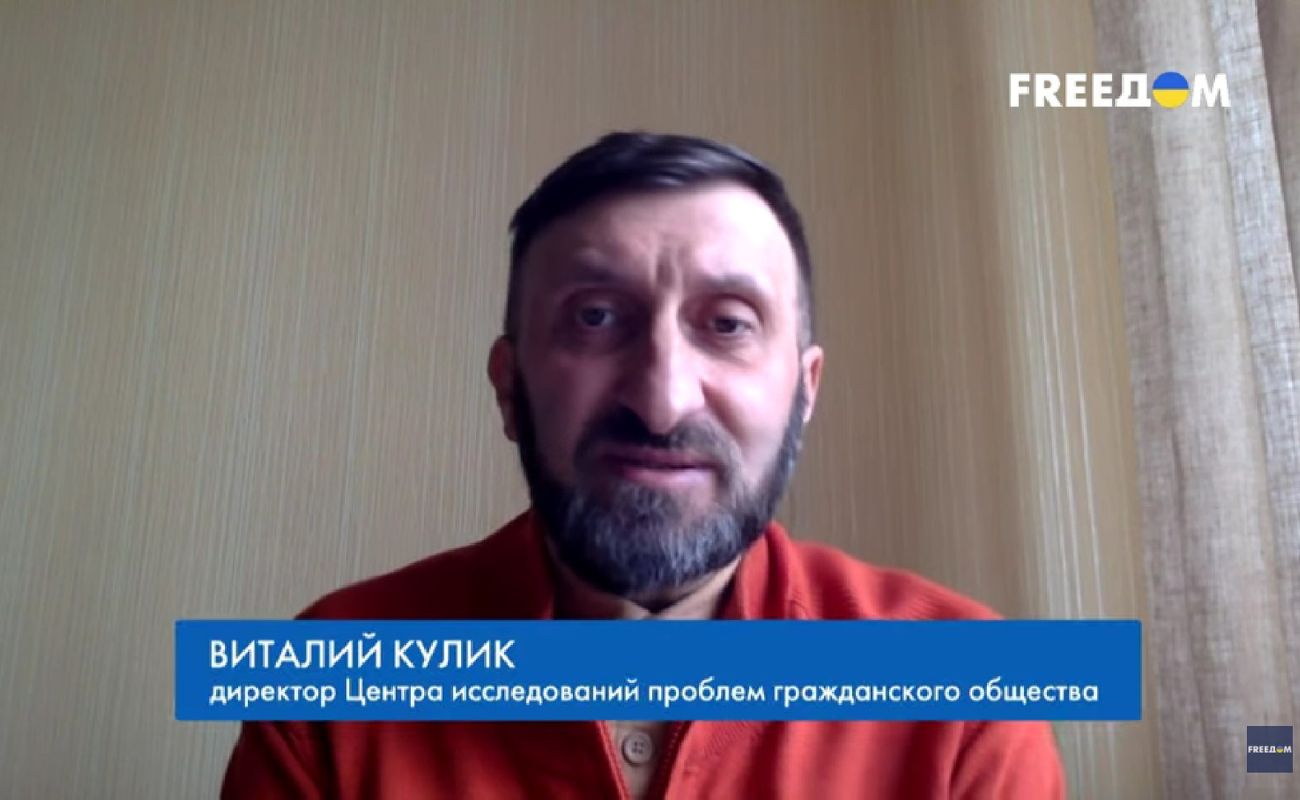
Vitaliy Kulik, Regional Affairs Expert
This observation indicates that the Iranian authorities possess a degree of stability despite facing both external and internal challenges. Kulik also emphasized that “Iran has learned how to block social networks,” highlighting the regime's capability to control the flow of information within the country.
Simultaneously, Kulik pointed to Saudi Arabia's hardened position: “Now Saudi Arabia has adopted a very tough stance.” This could lead to an escalation of conflict in the region if the countries fail to find a path to a peaceful resolution. The expert also did not rule out the possibility that “there will be attempts to eliminate other figures within Iran's top leadership,” pointing to potential further changes in Iran's political landscape.
Key Events and Their Consequences
A pivotal date in recent Iranian history is February 28, 2026, when Ali Khamenei was eliminated. This event could prove decisive in shaping Iran's future policy and its relations with the international community. Thus, Iran is confronting numerous challenges that could significantly impact its trajectory.
The situation in and around Iran remains critically important for the stability of the entire Middle East. Shifts in the political landscape and the worsening of relations with Saudi Arabia could provoke new conflicts, requiring careful monitoring by the international community. The unfolding events suggest that key decisions made in the coming years could substantially influence Iran's future and its role in global politics.
Read also
- Khamenei’s Funeral Procession Reaches Iraq: Supreme Leader’s Coffin Taken to Shia Holy Sites
- Hundreds of Thousands Gather in Iran for Khamenei’s Funeral: July 4 Date Was No Coincidence
- Iran’s New Supreme Leader Mojtaba Khamenei Still Missing from Public View: What’s Going On?
- The $40 Billion Price Tag of America's War with Iran: How It Hit U.S. Households
- Trump Signs Landmark Deal with Iran: Ceasefire, Sanctions Relief, and Nuclear Terms Take Center Stage
- Over $3 Billion Unlocked for Iran by UAE in Deal to Halt Attacks