Ukraine’s Top Diplomat at G7 in France: Key Security Decisions and Support Measures Unveiled.

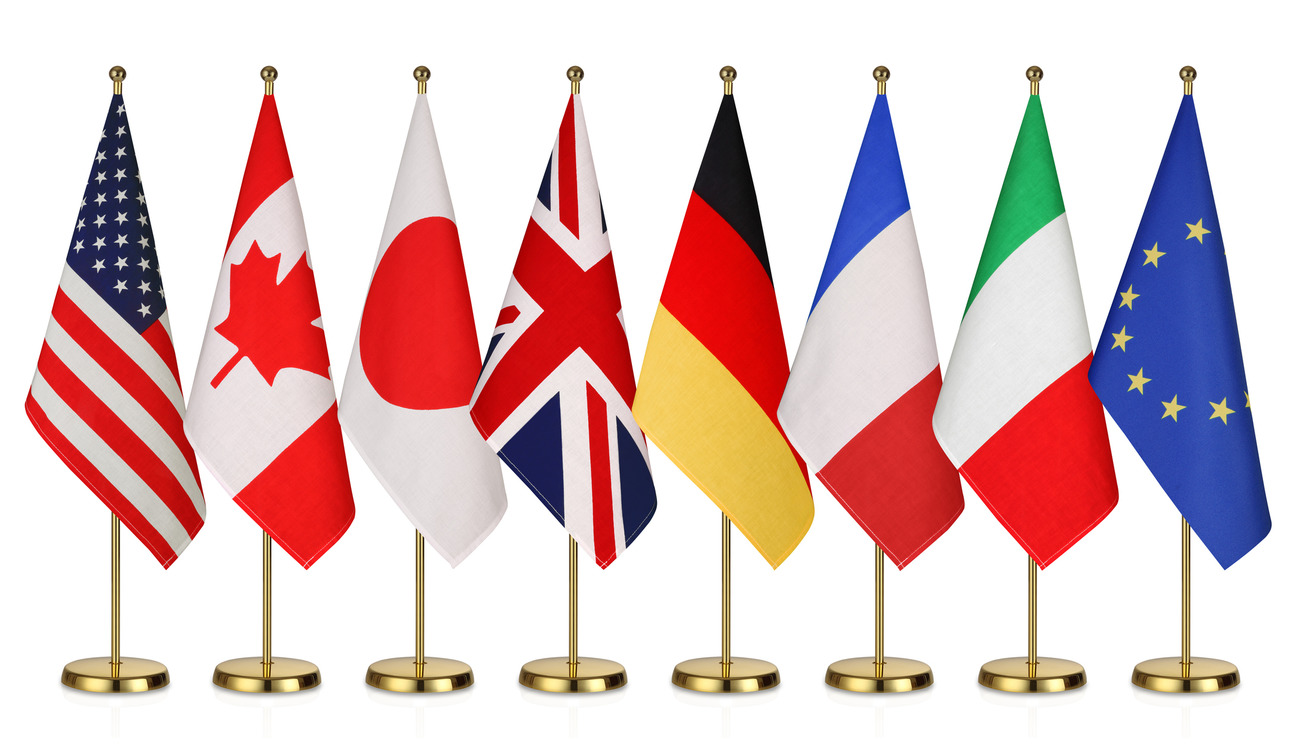
G7 Foreign Ministers Convene in France
According to UATV: Over a two-day summit in France, foreign ministers from the Group of Seven nations tackled support for Ukraine, the evolving situation in the Middle East, and broader global security challenges. Ukrainian Foreign Minister Andrii Sybiha attended the gathering at the invitation of his French counterpart, Jean-Noël Barrot. A central focus of the discussions was security conditions within Ukraine and across the wider region.
Sybiha underscored the urgent need to pressure Russia into returning the Zaporizhzhia Nuclear Power Plant to Ukraine. He stated:
“There must be no steps that legitimize Russia’s actions or its occupation of the Zaporizhzhia NPP. Pressure must be applied to force Russia to hand the plant back to its rightful owner—Ukraine.”This remark came amid mounting fears that the destruction of the Kakhovka Dam and the seizure of the Zaporizhzhia plant could trigger a catastrophic safety crisis in the region.
The meeting also addressed concerns over potential Russian assistance to Iran. EU foreign policy chief Kaja Kallas highlighted a direct link between conflicts in Iran and Ukraine, noting:
“We are raising this issue because we see Russia providing intelligence support to Iran.”
The G7 foreign ministers’ talks unfolded against a backdrop of intensifying global security debates, driven by growing threats from Russia. As Johann Wadephul remarked:
“Putin cynically hopes that escalation in the Middle East will divert our attention from his crimes in Ukraine. That calculation must not succeed.”
Safety and Reconstruction Efforts
Another key topic was the reconstruction of the protective shelter over the fourth reactor at the Chornobyl Nuclear Power Plant—a project requiring $575 million. These measures are critical for regional safety and for preventing potential disasters linked to Russian misconduct.
Ultimately, the G7 foreign ministers’ meeting in France served as a vital platform for addressing core global security issues, particularly the situations in Ukraine and the Middle East. It reinforced the necessity of international support and sustained pressure on aggressor states. The strong statements from Ukraine’s top diplomat reflect the international community’s growing alarm over regional security—and Ukraine’s determination to defend its territorial rights and ensure stability in Europe. The safety of nuclear facilities also emerged as a pressing concern during the talks, highlighting the urgency of the issue amid Russia’s ongoing military aggression.
Read also
- Leadership Roles in Ukraine’s Defense and Security Agencies: Which Positions Exist and Which Do Not
- Winter Preparations and Immediate Government Steps Discussed by Zelenskyy with Cabinet
- Zelenskyy Picks Ihor Klymenko for NSDC Secretary Role: Decree in the Works
- Four EU nations back Estonia's push to restrict visas for Russian citizens
- EU Sanctions Target Individuals and Firms Over Strikes on Kyiv: Here’s Who Is Being Penalized and Why
- EU Sanctions Russian Drone Parts Maker ABS Electro: What to Know