Western border of Ukraine is once again busy: where the largest queues have formed.

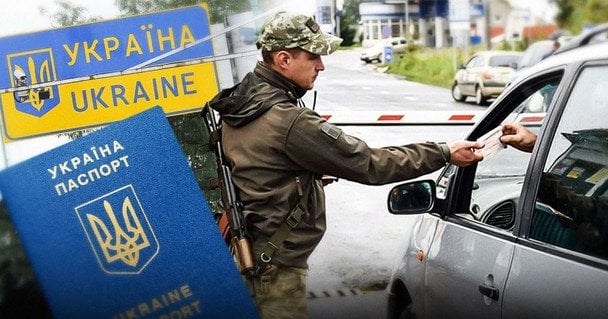
According to ТСН: The western border of Ukraine is showing activity: border guards have recorded a buildup of vehicles for exit to EU countries.
The State Border Guard Service of Ukraine reported that as of 12:30, there is a traditional post-New Year increase in passenger traffic. The largest queues have been recorded at the crossing points in the Lviv and Volyn regions.
Polish direction
The largest number of cars have accumulated at the crossing points of 'Krakivets' (75 passenger cars) and 'Shehyni' (70 passenger cars and 3 buses). Significant queues are also observed at 'Ustyluh' - 70 vehicles. Currently, there are no queues of passenger cars at the 'Yahodyn' crossing point, but 1 bus is waiting to exit.
Slovakia and Hungary
At the border with Slovakia, there is active movement at the 'Uzhhorod' point, where 35 cars are waiting for customs clearance. The Hungarian border is most congested at the 'Kosyino' (30 cars) and 'Luzhanka' (20 cars) crossing points.
Where to pass faster
Moldova: All crossing points ('Mamaliga', 'Kelmentsi', 'Rososhany', 'Sokiryany') are operating in free mode - there are no queues.
Romania: The points 'Krasnoilsk' and 'Dyakivtsi' remain relatively free.
Border guards recommend drivers take into account possible delays and monitor the state of queues in real time. It is also worth remembering that you can register for the electronic queue for buses on the website echerha.gov.ua.
It is worth noting that earlier it was reported that significant queues had formed at the western borders of Ukraine before the holidays.
The increase in passenger traffic at the western borders of Ukraine is a sign of active movement of people observed after the holiday days. This may be related to the return of Ukrainians home after the holiday vacations, which usually leads to an increase in queues at the crossing points. Drivers should be prepared for possible delays and plan their trips in advance.
Read also
- EU Extends Temporary Protection for Ukrainians Until 2028: Exceptions Apply
- EU Council Extends Ukrainian Protection Until 2028: New Rules Target Men
- EU Commissioner Confirms Extended Protection for Ukrainians Through 2027: What It Means for Men of Draft Age
- Finland Extends Border Closure with Russia: What It Means for Ukrainians
- Kremlin Propaganda Exploits AI and Deepfakes to Stoke Panic Over Migrants in Ukraine
- Over 1.15 Million Ukrainians in the EU Keep Their Status: New Restrictions Don't Apply to Them