The state owes Chernobyl victims 17.6 billion hryvnias: why payments are delayed.

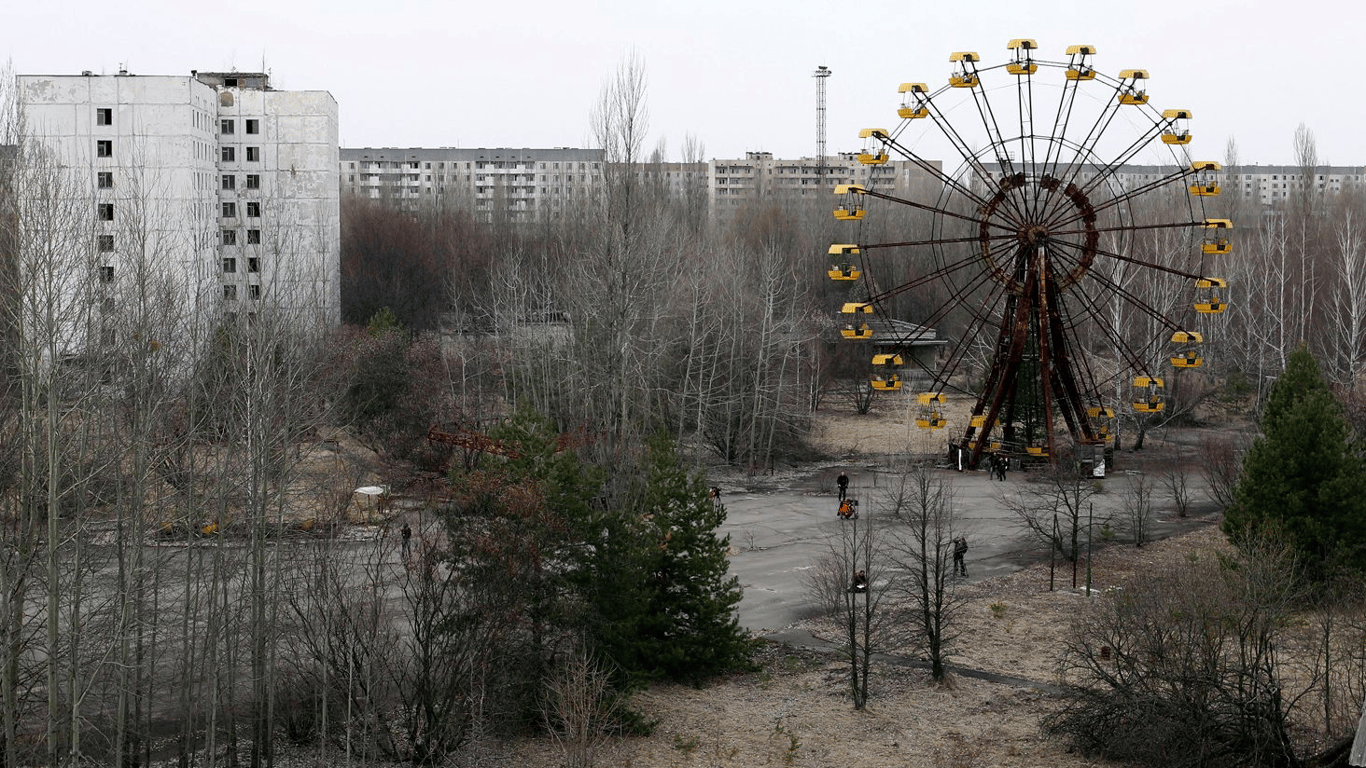
In Ukraine, the total debt for pensions and social payments aimed at those affected by the Chernobyl disaster has exceeded 17.6 billion hryvnias. Among the recipients of such payments are both the liquidators of the accident and residents of radiation zones, but due to the war, the state is struggling with timely payments.
This was reported by RBC-Ukraine.
How much the state owes
The Ministry of Social Policy stated that as of June 1, 2025, the total debt for court decisions on pension payments amounts to 83.6 billion hryvnias, of which more than 17.6 billion is owed to Chernobyl victims.
The government makes payments within the limits of budget possibilities, but the funding for these needs depends on the amount of funds in the state budget.
'Schemes' and new Chernobyl victims
Some recipients of payments exploit benefits through court decisions, even without living in contaminated areas. There are also cases where one house is registered to dozens of people who do not actually live there.
During the war, over 125 thousand people have 'settled' in the Chernobyl zone, costing the state 15 billion hryvnias annually.
Protests and a sensitive issue
Attempts to regulate the payment system provoke protests among the population, which demands the preservation of benefits, while deputies avoid necessary decisions. Without systemic reform, the debt situation will only worsen, and the issue of payments to Chernobyl victims remains one of the most sensitive for Ukrainian society.
Analysts emphasize that without reforms, the situation will only deteriorate, and payments to Chernobyl victims are one of the most important tasks for the Ukrainian government.
Pensions and social payments for those affected by the Chernobyl disaster create significant debt in the Ukrainian budget. Systemic reforms are necessary to correct problems and improve the situation for aid recipients.Read also
- Ukraine’s New Government Approved by Parliament: Here’s Who Makes Up Koretsky’s Cabinet
- Moscow Reacts as Ukraine Appoints a New Prime Minister
- Government in Turmoil: Fedorov’s Resignation and Ukraine’s Leadership Crisis
- War-Time Achievements in Ukraine's Interior Ministry: A Review by Ihor Klymenko
- Serhii Koretskyi Takes Over as Prime Minister: Key Details on the New Government and EU Backing
- Zelenskyy Excludes Fedorov from New Cabinet: How Many of the Minister's Promises Were Actually Kept?