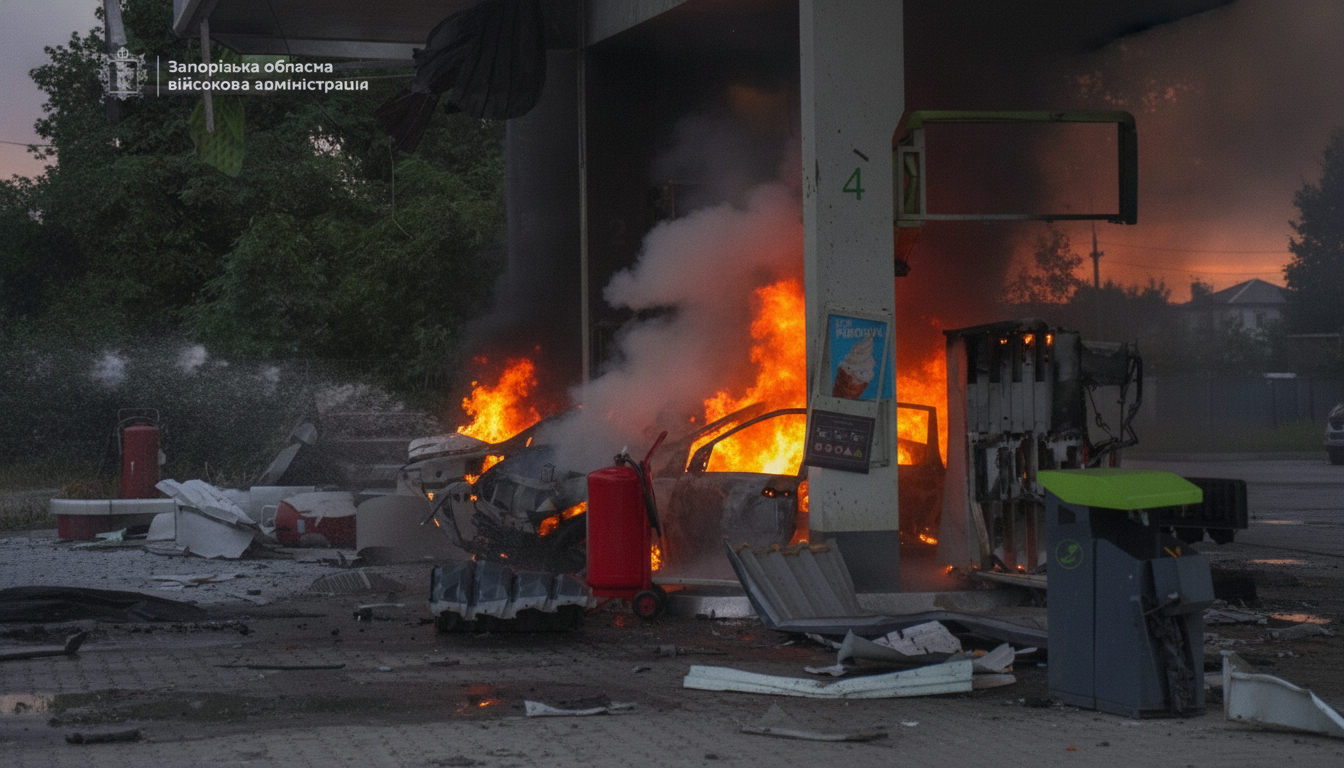
Chernobyl in 2025: life in the exclusion zone after the attack by the Russian Federation.

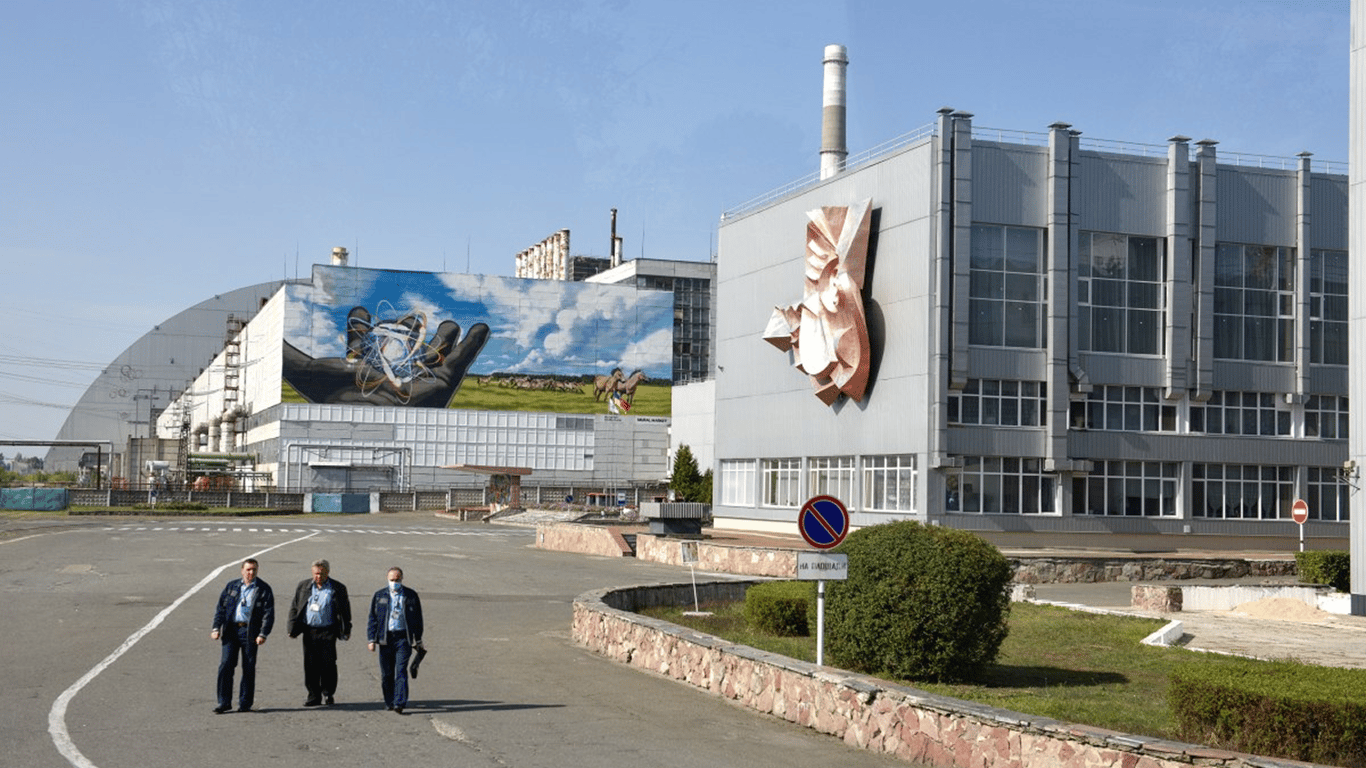
More than three decades ago, the largest technogenic disaster in human history occurred - the accident at the
Chernobyl Nuclear Power Plant. The Chernobyl exclusion zone still interests scientists and tourists.
History of the Chernobyl NPP
Construction of the station began in 1970, and by 1977 the first unit was operational. However, on April 26, 1986, the 4th power unit exploded and a radioactive cloud covered many countries in Europe, not just Ukraine.
After the accident, a lot of work was done to restore and ensure safety. Currently, the area of the station is classified as an exclusion zone, where flora and fauna are developing, but some species of animals have faced extinction.
ChNPP during the invasion
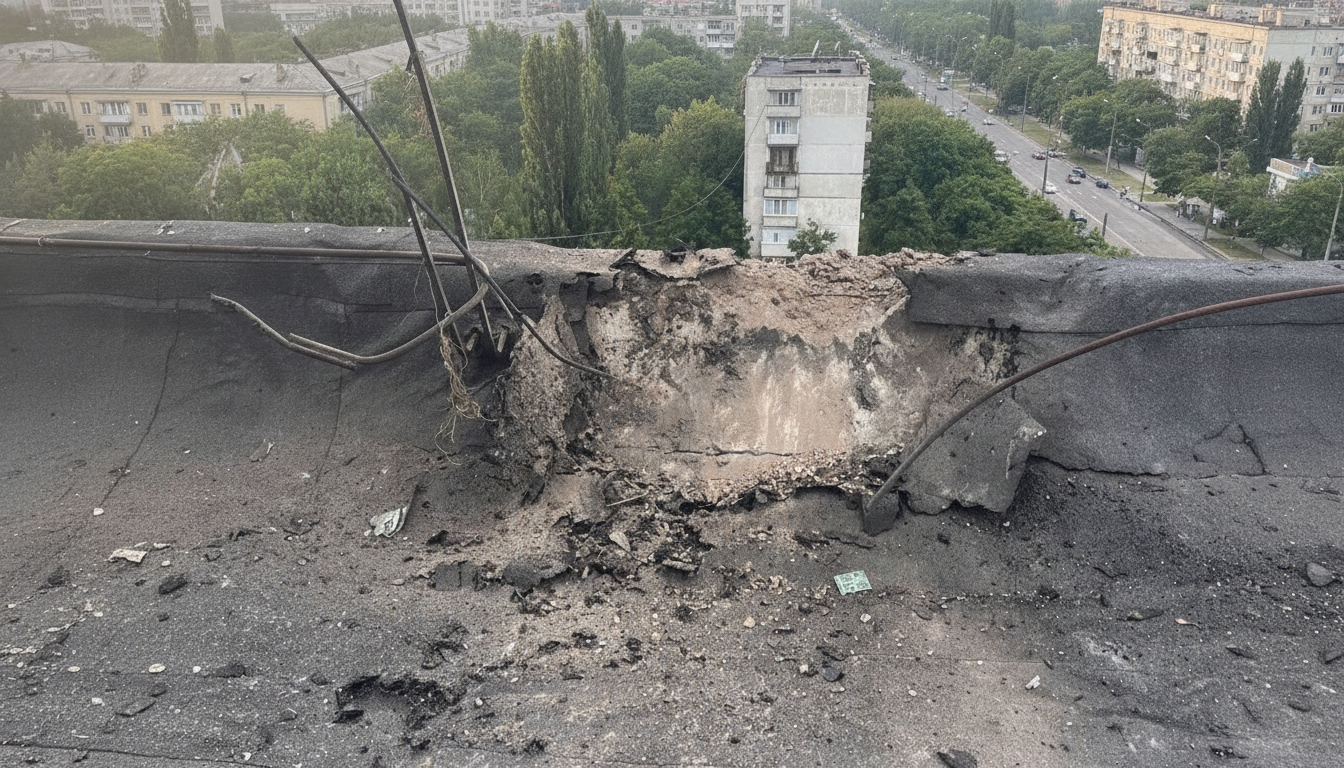
In February 2022, Russian troops invaded the Chernobyl NPP, but the personnel managed to keep control of the reactors. The area of the station and equipment were damaged, so mines needed to be cleared before restoration could begin.
Events at the ChNPP in 2025
In April 2025, the solar power station 'Solar Chornobyl-1' was opened to supply electricity to the town of Chernobyl and surrounding facilities. The EBRD also allocated €42.5 million for repairs after the invasion and restoration of damages.
Hydrobiological research of water bodies around the ChNPP continues, which have already yielded important results regarding species listed in the Red Book of Ukraine.
More than 30 years after the Chernobyl disaster, the consequences and impact of the events continue to be studied, and the exclusion zone is being sought for various ecological and energy projects. Despite the tragedy, Chernobyl is now a symbol not only of troubles but also of rebirth and hope for a better future.Read also
- Russian Drone Attack on Sumy Region Leaves One Civilian Injured and Sparks Fires
- Germany’s June Heatwave Kills Over 5,000 as Record Temperatures Grip the Nation
- Seven Killed in Vyshneve Ammunition Depot Strike, Zelenskyy Confirms
- Russian Forces Strike Rescuers in Donetsk Region, Damaging Armored Emergency Vehicle
- Crimea Blackout: How Power Cuts Threaten Russian Army Supply Lines
- Russian Strike on Gas Station Near Zaporizhzhia: One Man Killed, Three Others Wounded