How the Death of Iran's Supreme Leader Could Weaken Russia's Middle East Influence.


The Death of Iran's Supreme Leader
According to UATV: The passing of Iran's Supreme Leader, Ayatollah Ali Khamenei, could significantly alter the Middle East's political landscape and the relationships between authoritarian regimes and the Kremlin. Russia, which has sought to position itself as a safe haven for dictators, may face reputational damage due to its perceived lack of decisive support during this critical juncture. This event tests the durability of the strategic partnership between Moscow and Tehran, which has been a cornerstone of regional power dynamics.
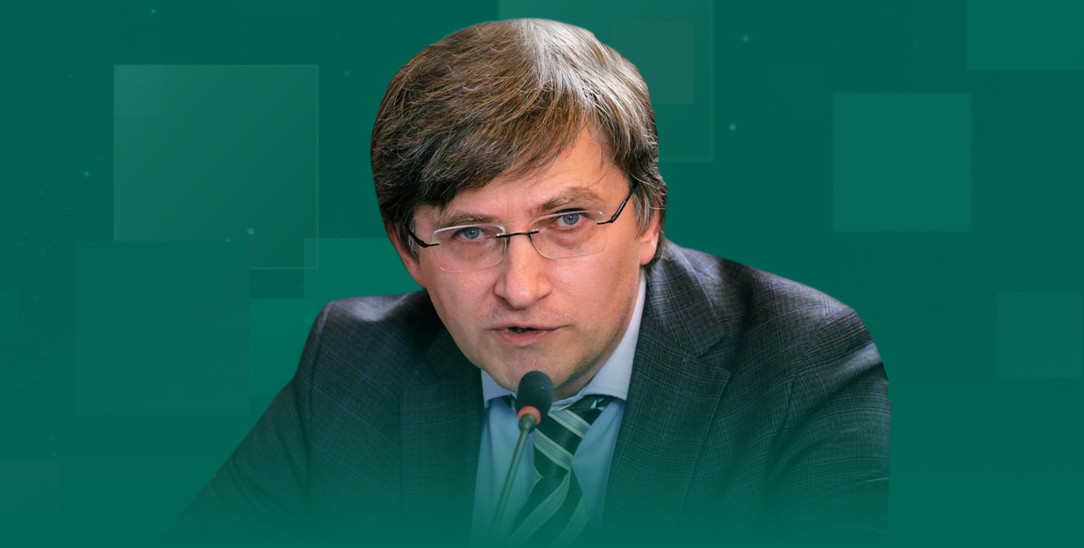
Ayatollah Ali Khamenei leaves behind a complex political legacy that will undoubtedly require reassessment by both domestic and international actors. Russian opposition politician Dmitry Gudkov suggested the signal to authoritarian leaders had been straightforward:
"You can do practically anything you want in your own country, but if a revolution, coup, or serious threat to your power suddenly occurs, you can always come to Russia." - Dmitry Gudkov
This underscores the strategic role Russia attempts to play in bolstering authoritarian regimes. Gudkov also noted that:
"I think Khamenei simply did not believe such an elimination was possible." - Dmitry Gudkov
This points to a possible underestimation of internal threats. Meanwhile, Moscow's reaction to events in Iran was cautious. As Gudkov observed, "Putin and the Russian Foreign Ministry thought for quite a long time about how to respond to what was happening, but in the end, they did make statements." This may indicate the complexity of the situation and the ambiguous position of the Kremlin regarding the shifting political landscape in Iran.
International Repercussions
Ultimately, Khamenei's death could catalyze changes not only within Iran but also in the broader context of international politics, where authoritarian regimes may reconsider their ties with Russia. The Kremlin's perceived failure to offer robust support could tarnish Russia's reputation as a reliable refuge for dictators, potentially having serious consequences for its foreign policy ambitions. The stability of the entire region, often underpinned by these alliances, now enters a period of heightened uncertainty.
Read also
- Hundreds of Thousands Gather in Iran for Khamenei’s Funeral: July 4 Date Was No Coincidence
- Iran’s New Supreme Leader Mojtaba Khamenei Still Missing from Public View: What’s Going On?
- The $40 Billion Price Tag of America's War with Iran: How It Hit U.S. Households
- Trump Signs Landmark Deal with Iran: Ceasefire, Sanctions Relief, and Nuclear Terms Take Center Stage
- Over $3 Billion Unlocked for Iran by UAE in Deal to Halt Attacks
- Western Intelligence Assesses Iran's Remaining Missile Capabilities