A Key Nuclear Arms Treaty Nears Collapse: Can It Be Saved?.

A Key Nuclear Arms Treaty Nears Collapse: Can It Be Saved?
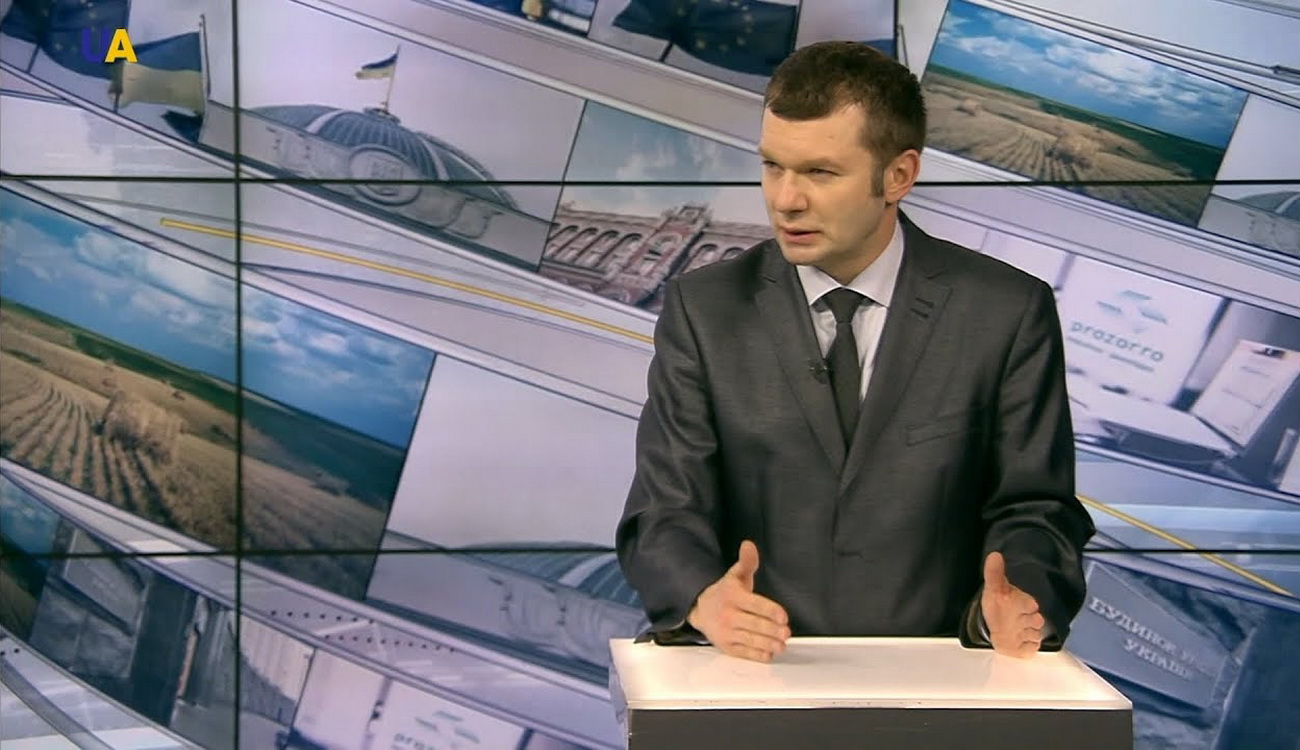
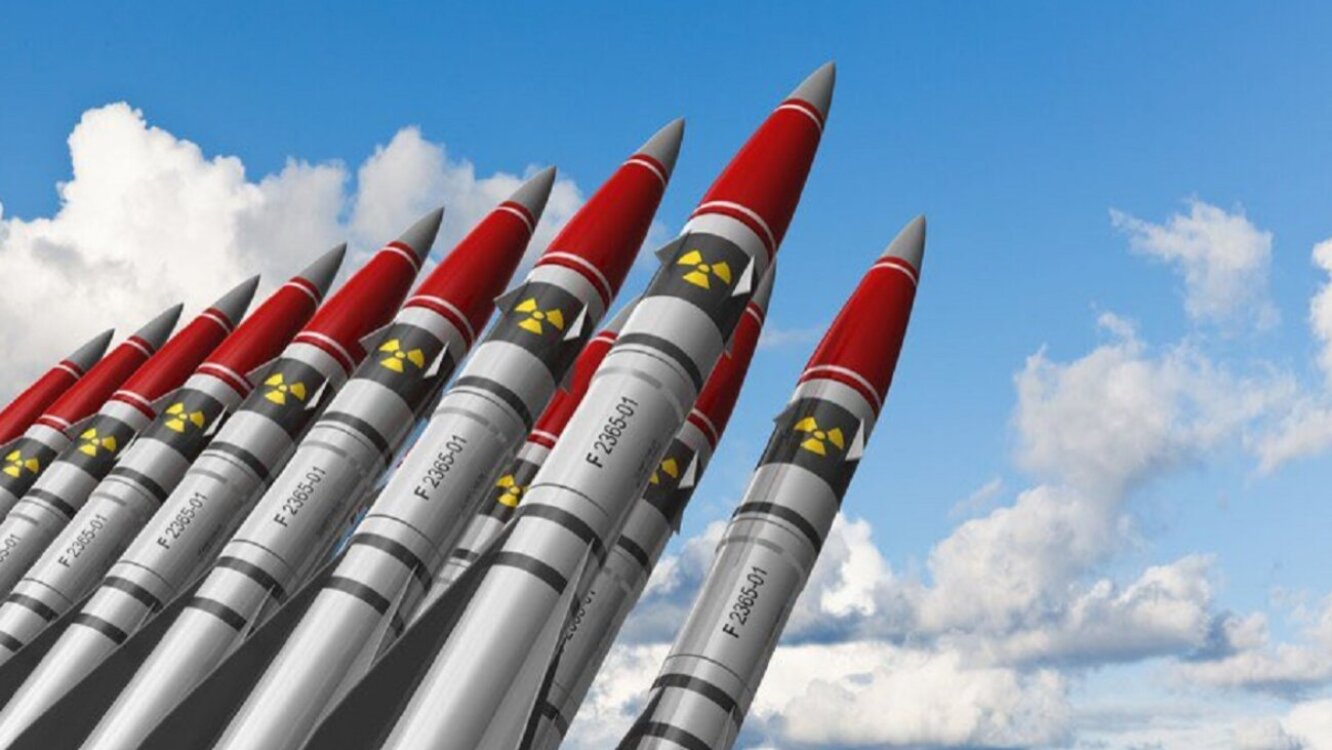
According to UATV: The Strategic Arms Reduction Treaty (START) between the United States and Russia, a cornerstone of nuclear arms control for nearly 50 years, is now in serious jeopardy. Its potential expiration poses a direct risk to global security. Analyst Polina Sinovets has commented on the possibility of extending this crucial pact, noting that Moscow has proposed a one-year renewal. However, she points out that since 2023, Russia has suspended its verification of the treaty, creating a major obstacle to ensuring nuclear arms control. This treaty has long been a primary mechanism for managing the world's two largest nuclear arsenals.
Prospects for Extending the Treaty
Sinovets indicated that formal discussions on extending the treaty are scheduled for 2025. She emphasized that the treaty caps the maximum number of deployed strategic nuclear warheads at 1,550. According to her,
"The core issue with the current START treaty is that since 2022–2023, the verification regime has effectively been absent."This means that without proper oversight, the potential for miscalculation and provocation could increase.
The expert suggested,
"The likely calculation is to use this year to their advantage and attempt to lay the groundwork for some new, broader arms control agreement."For now, the future of the START treaty remains uncertain, and the question of its extension grows more urgent against a backdrop of heightened international tensions.
The situation underscores the critical importance of international nuclear arms control for global stability. The absence of verification and the potential lapse of the treaty could lead to new arms-related threats, which is especially dangerous during times of geopolitical conflict. Given these risks, resuming negotiations on START should be a priority for all parties to avoid an escalation of international tensions.
Read also
- EU Adopts 21st Sanctions Package Against Russia: What It Means for Oil and Banking
- Zelensky Warns of Black Sea Grain Corridor Blockade as Ukraine Calls UN Security Council Meeting
- EU sanctions on Russia slow down as member states prioritize economic interests
- A 35-Minute Manila Meeting Between Rubio and Lavrov Puts Ukraine War at the Center of Talks
- Latvia Moves to Ban Imports from Russia and Belarus: Here's What Will Be Blocked
- Poland Faces Thousands of Daily Cyberattacks from Russia, Deputy PM Calls It Hybrid Warfare