Why U.S. Efforts to Bring China into Nuclear Arms Control Are Unlikely to Succeed.

The State of Nuclear Arms Control
According to UATV: The United States is seeking to engage China in nuclear arms control talks, viewing Beijing as its principal strategic challenge. However, according to Polina Sinovets, Director of the Odesa Center for Nonproliferation of Nuclear Weapons, discussions about extending the New START treaty are largely symbolic. This indicates that China's participation in nuclear weapons negotiations remains a distant prospect. The U.S. push reflects a broader strategic pivot, but faces significant geopolitical hurdles.
The New START treaty, signed in 2010 for a 10-year term, allowed for a single five-year extension. In 2021, the U.S. and Russia exercised this option. The situation is complicated by the growth of nuclear arsenals: China's potential has increased by roughly 30% in the past year, while Russia's arsenal has grown by 18%. Sinovets notes that China is currently one of the nations most actively expanding its nuclear stockpile.
The Shift in U.S. Strategic Focus
The shifting U.S. strategic focus from Europe to the Asia-Pacific region underscores China's rising power. Washington's primary foreign policy priority is now the Indo-Pacific, not Europe. For its part, China has consistently stated it will not voluntarily join negotiations or accept limits until its nuclear arsenal is on par with those of the U.S. and Russia.
Furthermore, if the U.S. attempts to bring China to the table, Russia may demand the inclusion of the United Kingdom and France in any treaty, further complicating the process. The American strategy in this context is built around a framework of dealing with two major competitors. Given all these factors, the prospect of reaching a nuclear arms control agreement with China appears highly unlikely.
Given China's growing nuclear potential and its refusal to participate in international negotiations, the situation regarding nuclear arms control is becoming increasingly complex. - Polina Sinovets
By trying to draw China into discussions, the U.S. may encounter new challenges, including Russian demands to involve other nuclear powers. This could severely hinder reaching a consensus on global security and nuclear disarmament issues, potentially stalling progress for years.
Read also
- EU Adopts 21st Sanctions Package Against Russia: What It Means for Oil and Banking
- Zelensky Warns of Black Sea Grain Corridor Blockade as Ukraine Calls UN Security Council Meeting
- EU sanctions on Russia slow down as member states prioritize economic interests
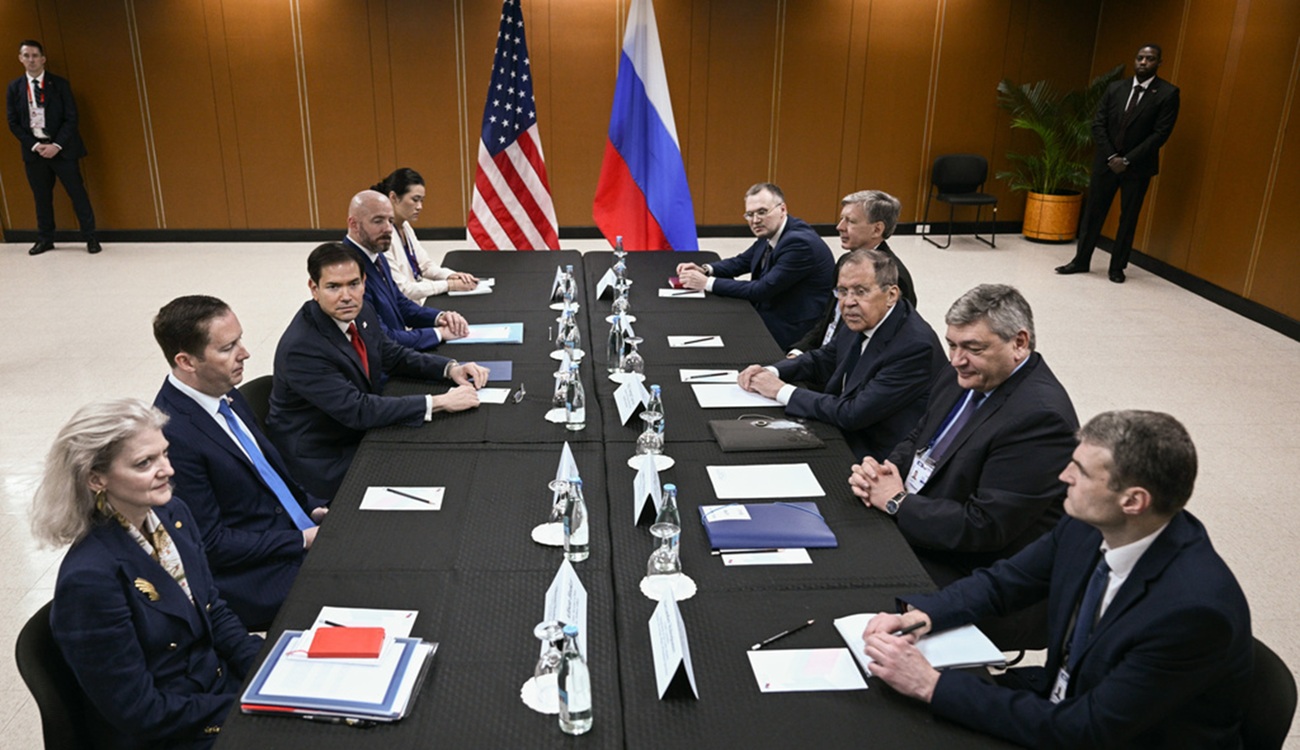
- A 35-Minute Manila Meeting Between Rubio and Lavrov Puts Ukraine War at the Center of Talks
- Latvia Moves to Ban Imports from Russia and Belarus: Here's What Will Be Blocked
- Poland Faces Thousands of Daily Cyberattacks from Russia, Deputy PM Calls It Hybrid Warfare