U.S. Bolsters Diplomatic Team for Russia Talks: Implications for Ukraine.

U.S., Ukraine, and Russia Engage in Negotiations
According to Novyny.live: Amid an intensification of military conflict, trilateral talks involving the United States, Ukraine, and Russia are underway. These diplomatic efforts come as Russia launched 91 ballistic missiles at Ukrainian territory in January alone, highlighting the severe pressure on Ukraine's infrastructure and civilian life. The negotiations are a critical diplomatic front in a war that continues to reshape European security.
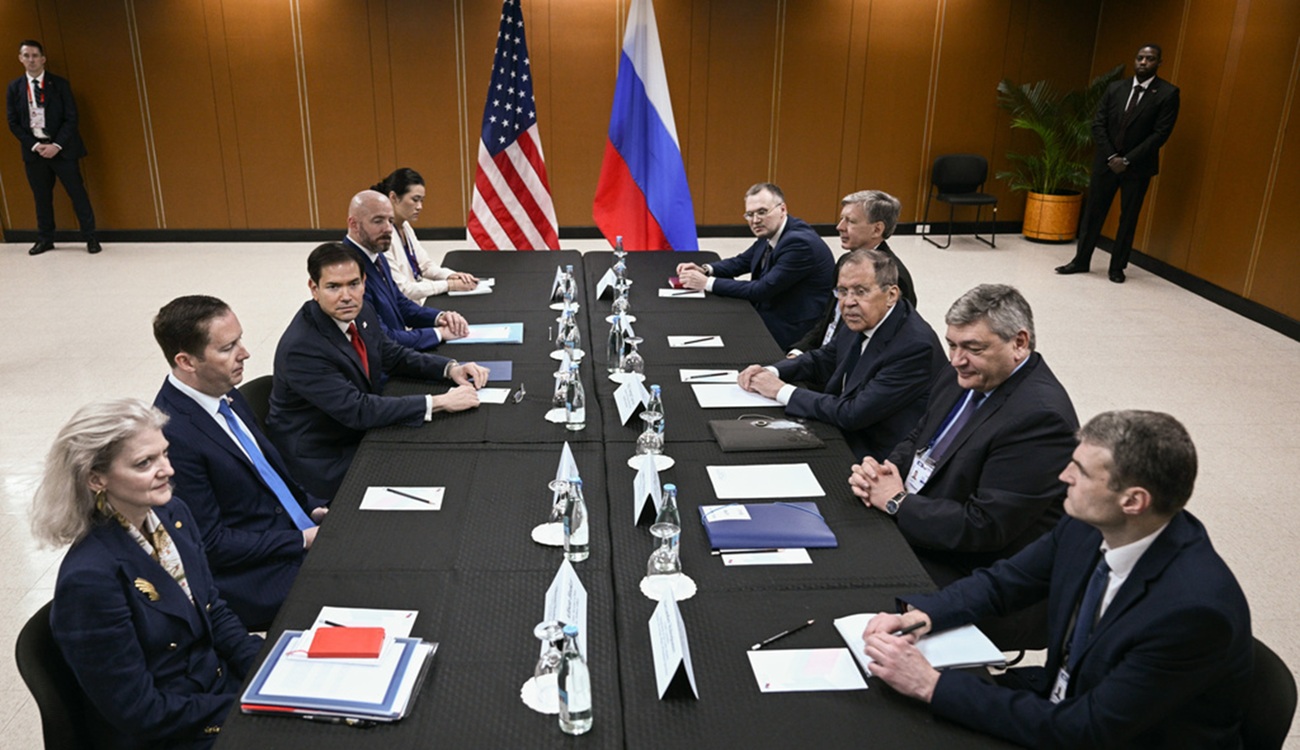
The United States has notably strengthened its delegation for the Geneva talks, adding U.S. Army Secretary Dan Driscoll and the commander of U.S. forces in Europe, Alex Grinkevich. Meanwhile, the war's impact is felt deeply within Ukraine, exemplified by the ongoing crisis in public transport; in Odesa, for instance, electric transport has been offline for over a month due to wartime damage.
Public Sentiment and Conditions for Peace
Ukrainian society remains deeply apprehensive, with polls indicating 90% of citizens oppose holding elections under current conditions. However, there is a stated willingness to proceed if a ceasefire lasting 2–3 months can first be secured. This public stance underscores the population's prioritization of security over political processes during active conflict.
Ukrainian President Volodymyr Zelenskyy has stated: 'Ukraine is doing everything to ensure Europe is at the negotiation table.'
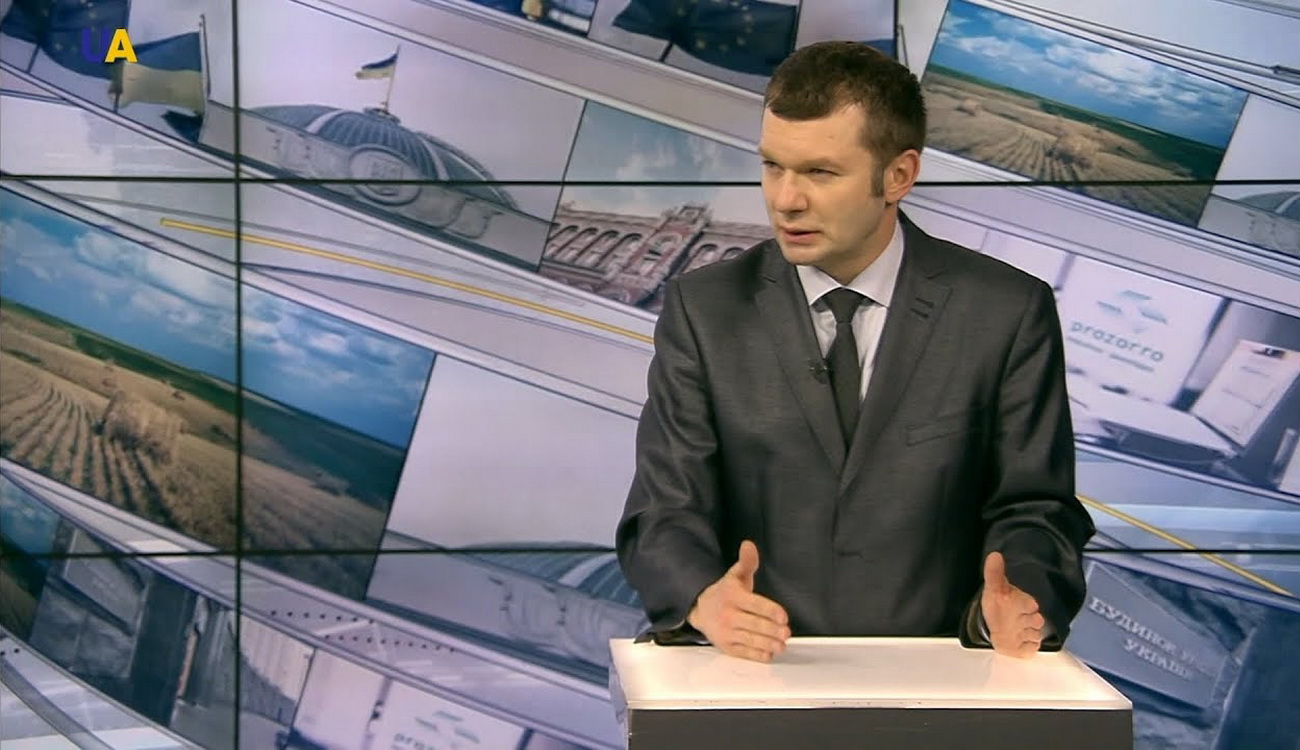
Adding to the political discourse, Sibiha, a representative of the 'Servant of the People' party, emphasized that 'Ukraine needs clear timelines for accelerated accession to the European Union.'
Key issues for any potential peace agreement remain the status of the Donbas region and the safety of the Zaporizhzhia Nuclear Power Plant. While Ukraine's parliament has outlined principal conditions for a deal, specific details have not been publicly disclosed. In a related development, U.S. Senator Marco Rubio has reaffirmed that 'the United States is not leaving NATO,' signaling continued Western alliance cohesion.
The situation in Ukraine is complex and multi-faceted, where military actions and political negotiations are intertwined with the social mood of the population. The ongoing talks may represent a significant step toward a peaceful resolution, though the reality of escalated warfare complicates the process. The overwhelming public reluctance to hold elections amidst instability further highlights the necessity of a sustained peace for the restoration of normal life in the country.
Read also
- Zelensky Warns of Black Sea Grain Corridor Blockade as Ukraine Calls UN Security Council Meeting
- A 35-Minute Manila Meeting Between Rubio and Lavrov Puts Ukraine War at the Center of Talks
- Ireland Pledges €125 Million to Ukraine, with €100 Million Allocated for Defense Strengthening
- Ukraine and Raytheon Agree on Joint Production of Interceptors for Patriot Systems
- Syrskyi’s Criticism of Military Contracts: What Changes After His Dismissal
- Ireland Pledges €125 Million to Ukraine: What the New Aid Package Includes