First U.S.-Iran Breakthrough in Switzerland: What Was Agreed in 60 Days.

U.S.-Iran Talks in Switzerland Yield Initial Results
According to Novyny.live: The first round of negotiations between the United States and Iran aimed at finalizing a comprehensive peace accord has concluded in Switzerland, with both sides reporting progress and reaching preliminary agreements. This dialogue marks a significant step toward mending bilateral ties and addressing key issues related to regional security and economic cooperation.
The parties have agreed to establish a High-Level Committee for political oversight, along with a coordination center to manage conflict resolution. Furthermore, a final agreement is expected to be drafted within the next 60 days. Technical consultations will continue in Switzerland through the end of this week, signaling sustained engagement between Washington and Tehran.
According to Abbas Araghchi, sanctions on Iranian oil have been lifted as a result of the talks, and a portion of frozen assets has been unfrozen. He also noted that mediation efforts by Pakistan and Qatar helped advance discussions on regional security and economic collaboration. Importantly, Washington and Tehran signed a memorandum of understanding on June 17 to cease hostilities, laying the groundwork for further negotiations.
Tensions Remain as Next Steps Unfold
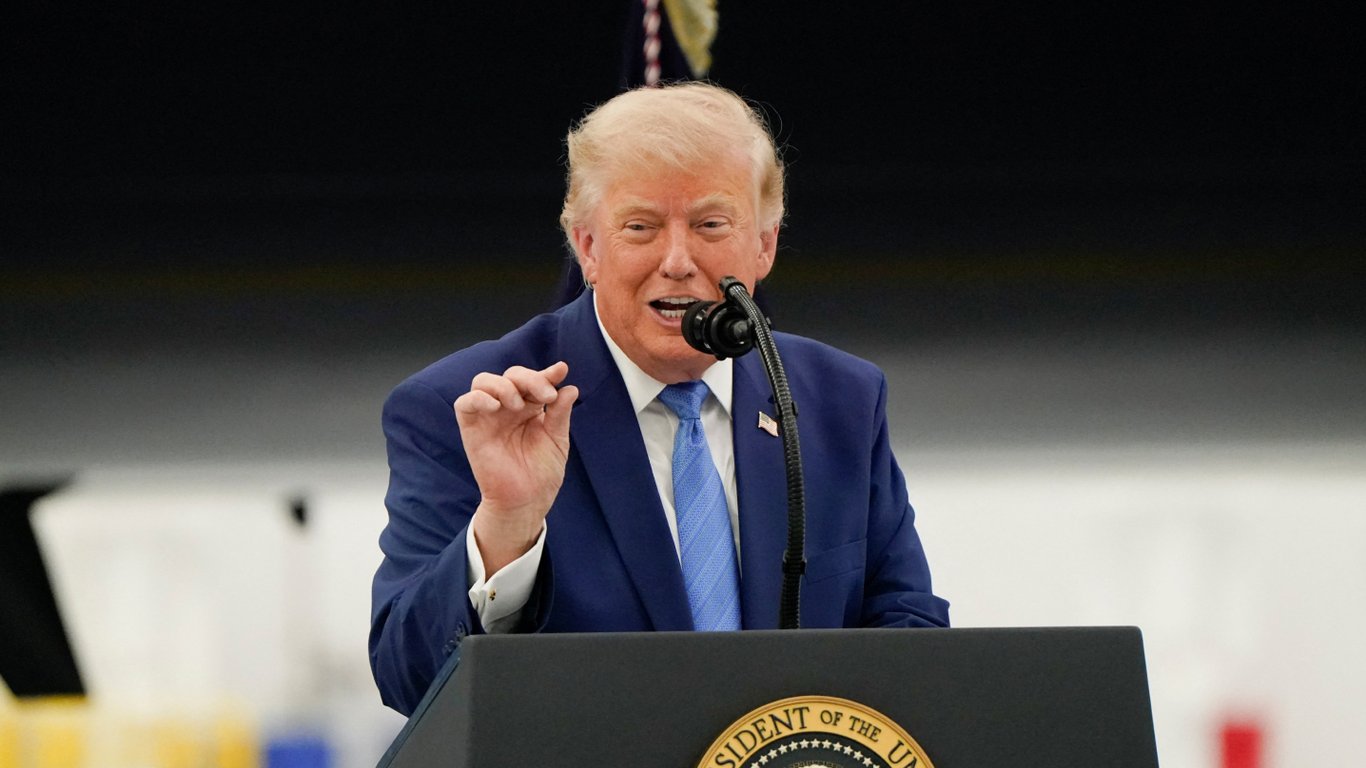
Despite the progress, the situation remains fraught. U.S. President Donald Trump, speaking on Fox News, threatened Iran with consequences if it were to block the Strait of Hormuz, underscoring the seriousness of America’s stance on the matter.
Overall, the first round of talks in Switzerland represents a pivotal moment in the search for regional stability, even as risks and challenges persist. The next moves will be shaped by ongoing technical consultations in the coming days.
These U.S.-Iran negotiations unfold against a backdrop of prolonged regional tension, particularly concerning security in the Persian Gulf and Iran’s influence over neighboring countries. The removal of sanctions on Iranian oil may signal Washington’s willingness to make certain concessions, but it also highlights the complexity of a relationship where economic interests are intertwined with geopolitical hurdles. The steps taken by both sides in the near future could significantly impact stability not only in Iran but across the entire region, where tensions remain high.
Read also
- Paris to Host Coalition of the Willing: Zelenskyy to Focus on Missile Defense for Ukraine
- Ukraine Requires 2,000 Interceptor Missiles Annually to Counter Iskander Threats
- The 2026 Tech Breakthrough That Gave Ukraine the Upper Hand on the Battlefield
- Turkey Seeks Third-Country Transfer of S-400s: Could F-35 Deal Be Revived?
- Taylor Swift and Travis Kelce Tie the Knot in New York: Inside Their Private Wedding
- Ukraine’s Strikes Shift Trump’s Stance: A New Tone Emerges