June 14 Deal Between the U.S. and Iran Announced—What the Agreement Would Entail.

U.S.-Iran Agreement: Announcement and Denial
According to Espreso.tv: On June 13, Pakistani Prime Minister Shehbaz Sharif and former U.S. President Donald Trump stated that a U.S.-Iran agreement would be signed the following day. However, Iran’s Ministry of Foreign Affairs has rejected that specific date. The proposed deal would lift the blockade of the Strait of Hormuz and unfreeze Iranian assets in exchange for dismantling Iran’s nuclear program. Israel has expressed dissatisfaction with the potential rapprochement between Washington and Tehran.
Key Terms of the Deal and International Reactions
The agreement under discussion includes reopening the Strait of Hormuz and ending the U.S. naval blockade. In return, the United States would begin unfreezing Iranian assets and removing sanctions on Iranian oil exports. The nuclear issue would be addressed in a separate 60-day negotiation phase. The confrontation between the U.S. and Iran has now lasted over 100 days.
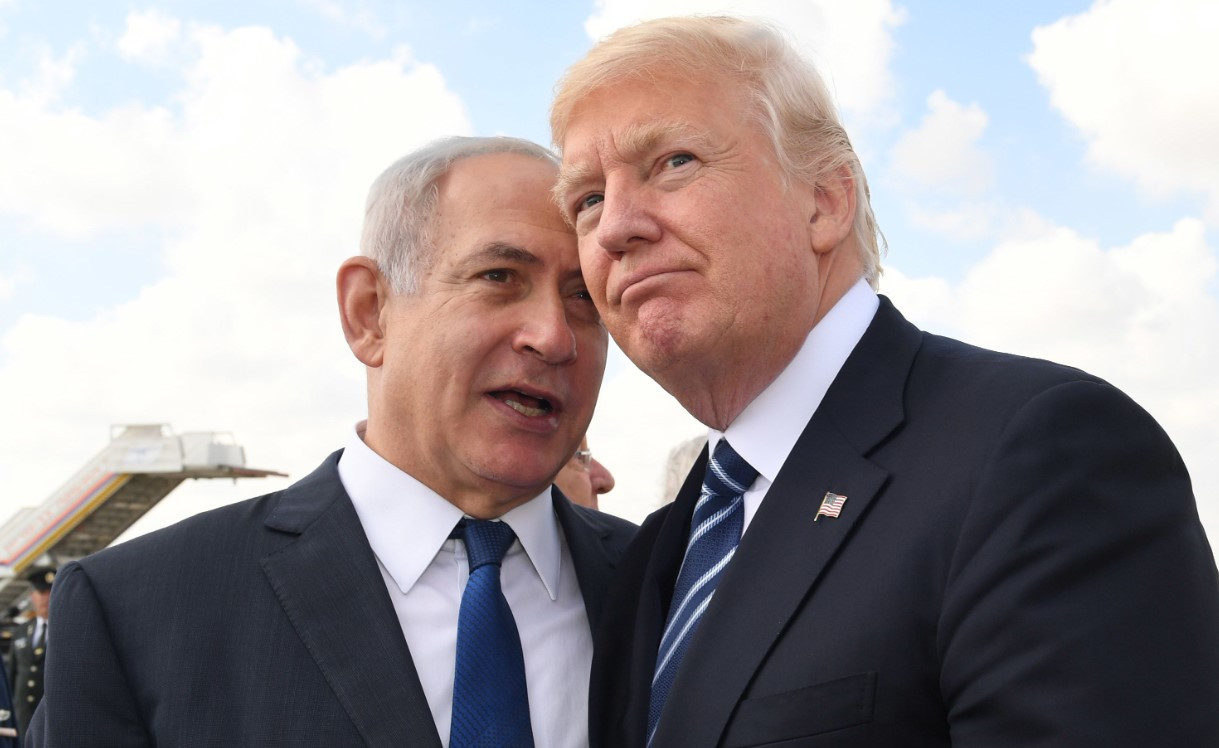
For context, a phone call between Trump and Israeli Prime Minister Benjamin Netanyahu was confirmed on May 11. On February 28, 2026, the U.S. and Israel carried out strikes against Iran under Operation 'Epic Fury.' The U.S. imposed a full naval blockade of Iranian ports on April 13, and a ceasefire between the U.S. and Iran was reached on April 17.
Donald Trump stated, 'This is a great deal, and it's time to end this war.'
Although Israel is not a party to the memorandum of understanding, Prime Minister Netanyahu expressed gratitude to President Trump for his efforts. Meanwhile, Israeli politician Avigdor Lieberman emphasized that '100% of the responsibility' for the situation lies with Benjamin Netanyahu.
This situation highlights the complexity of diplomatic relations in the region, especially given the long-standing U.S.-Iran conflict. Signing the agreement could significantly alter the geopolitical landscape, but the denial of the signing date suggests potential difficulties in reaching consensus. Israel’s expressed displeasure also indicates that any shift in U.S.-Iran relations could trigger new tensions in the region.
Read also
- US approves law aimed at limiting Russian oil commerce — what it means for China, India, and Yamal
- Ukraine's Leader Lands in US for Trump Talks and Graham Funeral: Key Issues on the Agenda
- Trump Announces Iran's Military Capabilities Are Virtually Gone
- Joint production and expanded supplies: Ukraine and the US finalize a Patriot missile agreement
- Facing a Critical Shortage, Zelenskyy Confirms Russia Launched 40 Ballistic Missiles at Kyiv in Just One Hour
- Tehran Has Not Reached Out to Washington as Trump Halts Airstrikes on Iran