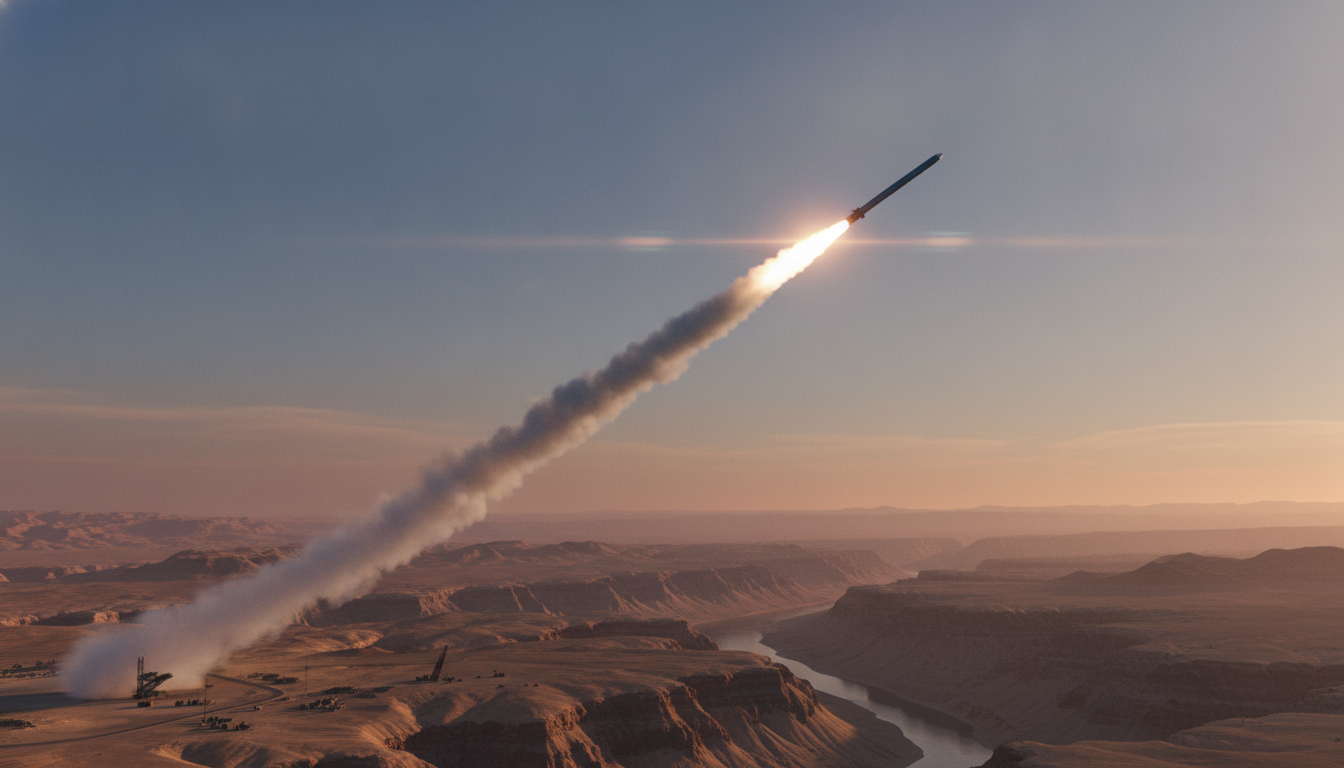
Iran’s Missile Stockpile Drops 90% After U.S.-Israeli Strikes Destroy 15,000 Targets.

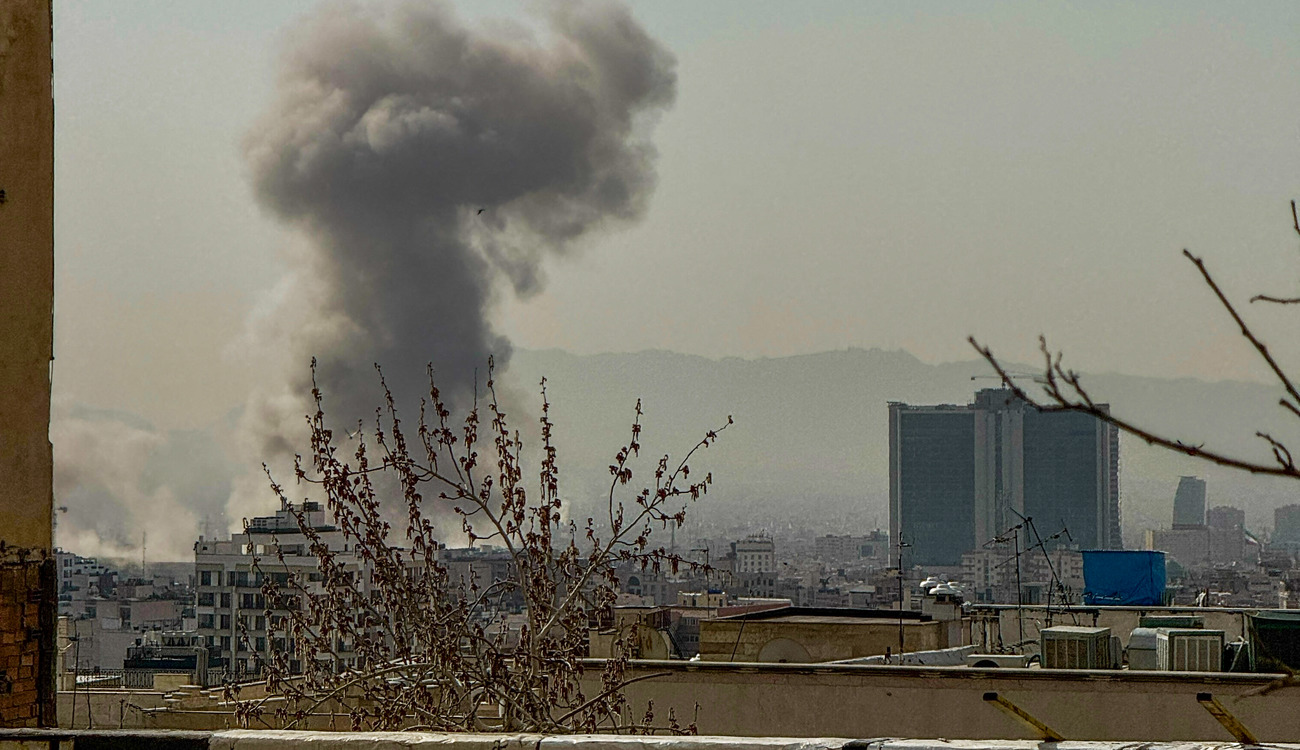
U.S.-Israeli Military Campaign Against Iran
According to UATV: A joint military campaign by the United States and Israel has struck over 15,000 targets inside Iran, slashing the country’s reserves of rockets and drones by 90%. The operation remains ongoing and has already sparked fresh threats across the region, including a blockade of the Strait of Hormuz—a critical chokepoint for global oil shipments.
To bolster the campaign, Washington has deployed up to 2,500 Marines to the Middle East. In the first 100 hours of combat, 168 Tomahawk missiles were fired. Iran retaliated on February 28 by launching roughly 350 missiles and more than 800 unmanned aerial vehicles (UAVs). Tehran also struck the United Arab Emirates with a barrage of 1,797 missiles and drones.
Economic Fallout and International Response
The blockade of the Strait of Hormuz has already driven Brent crude oil prices above $100 per barrel. In response, 32 member nations of the International Energy Agency have agreed to release 400 million barrels of oil from emergency reserves to stabilize markets.
Donald Trump: 'I removed the cancerous tumor that threatened all of us.'
Israeli Prime Minister Benjamin Netanyahu added: 'We killed the previous dictator, and the new dictator, Mojtaba—a puppet of the Islamic Revolutionary Guard Corps—cannot appear in public.'
Meanwhile, Ukrainian President Volodymyr Zelenskyy noted: 'We know that in countries, both in the Middle East and the United States, there are a certain number of interceptor drones.' John Healy also reported: 'We have received reports of new attacks on unarmed civilian merchant vessels.'
The U.S.-Israeli operation continues to raise serious concerns about further regional instability and potential repercussions for the global economy.
This sustained military campaign has the potential to reshape the geopolitical landscape of the Middle East. The depletion of Iran’s weapons stockpiles, combined with intensified hostilities, risks escalating the conflict and drawing in additional actors. The blockade of the Strait of Hormuz and rising oil prices threaten not only regional but also global economic stability, likely requiring swift international action to prevent further destabilization.
Read also
- Military Strategy Meeting: Zelenskyy Holds High-Level Talks with Top Commanders
- Sanctions Fall Short as Russia Keeps Mass-Producing Missiles for Ukraine Strikes
- Vatican Delegation Arrives in Kyiv Amid Massive Russian Attack – Key Topics Revealed
- Protests Erupt After Fedorov-Syrsky Clash: Zelenskyy Discusses Defense Strategy
- NATO Summit in Ankara Draws Record 6.8 Million Views from Ukraine
- Ukraine Secures Patriot License as Lockheed Martin Unveils $2 Million Missile