U.S. Engages Slovakia and Hungary on NATO Spending and Sanctions Against Russia.

Marco Rubio Holds Talks with Slovak and Hungarian Prime Ministers
According to UATV: U.S. Secretary of State Marco Rubio has held discussions with the Prime Ministers of Slovakia and Hungary, focusing on critical issues including sanctions against Russia, the purchase of Russian oil, and a push for Slovakia to increase its NATO defense spending to 5% of GDP. These talks occur amid heightened regional tensions and the urgent need for Europe to diversify its energy supplies away from Russia.
Slovak Prime Minister Robert Fico pointed out a significant obstacle, noting that Slovakia likely lacks the necessary terminals for liquefied natural gas (LNG). This infrastructure gap makes it extremely difficult for the country to abandon cheap, sanctioned Russian oil. As Fico stated,
“Slovakia essentially does not have LNG terminals and therefore it will be extremely difficult for us to give up cheap, sanctioned Russian oil”(Robert Fico). This highlights Slovakia's continued energy dependence on Russian imports.
Hungary's Political Outlook
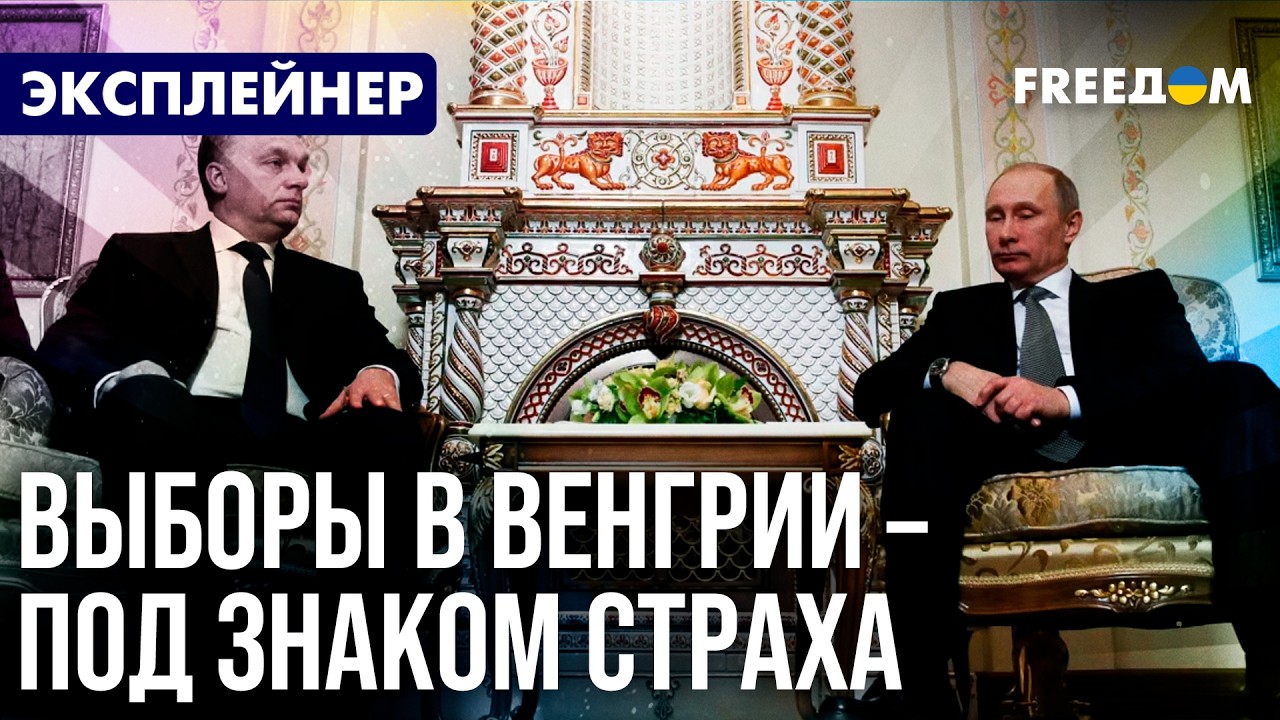
Meanwhile, Hungarian Prime Minister Viktor Orbán expressed a stark view of Europe's future, claiming,
“Europe has decided to enter the war by 2030”(Viktor Orbán). This provocative statement has raised concerns among political analysts, as it could further strain relations with Russia and within the European Union.
The political landscape in Hungary is also shifting ahead of elections scheduled for April 12. The opposition party 'Tisza' currently holds a 10-point lead over the ruling 'Fidesz' party. Tisza's leader, Péter Magyar, emphasized a change in public sentiment, stating,
“No one pays attention to the propaganda anymore”(Péter Magyar).
Adding to the regional energy challenges, the transit of Russian gas to Europe through current routes is scheduled to cease on November 1, 2027. In this climate of uncertainty, politicians are adopting various strategies to insulate their nations. Hungarian government representative János Lázár sought to reassure voters with a promise,
“we guarantee that if you vote for us, Hungary will not participate in the war”(János Lázár).
These negotiations underscore the complex political and security dynamics in Central Europe, where energy security and military expenditures are becoming increasingly urgent. The outcomes could significantly influence future relations between European nations and Russia, as well as the domestic politics of individual states. For Eastern European nations, reducing reliance on Russian energy remains a pivotal, yet difficult, strategic goal.
The situations in Slovakia and Hungary illustrate the broader struggle for energy independence in Eastern Europe. Dependence on Russian resources and impending changes to gas supplies present serious challenges that could impact political stability. The upcoming Hungarian elections may further alter the regional political course, complicating a unified European response to ongoing security threats.
Read also
- Hungary Braces for Major Probes: Orban and Szijjarto Could Face Consequences for Alleged Kremlin Ties
- Orban Accuses Former Foreign Minister Szijjarto of Treason Over Alleged Moscow Ties
- Hungary Moves to Cap Lawmaker Terms: Madjar Pushes 17th Constitutional Amendment
- Air defense and funding top Ukraine’s agenda for NATO talks, lawmaker says
- Nearly 20 Bilateral Meetings and New Agreements Announced by Zelenskyy at NATO Summit in Ankara
- Finland Unveils New Defense Initiative Set for 2027: Implications for Ukraine