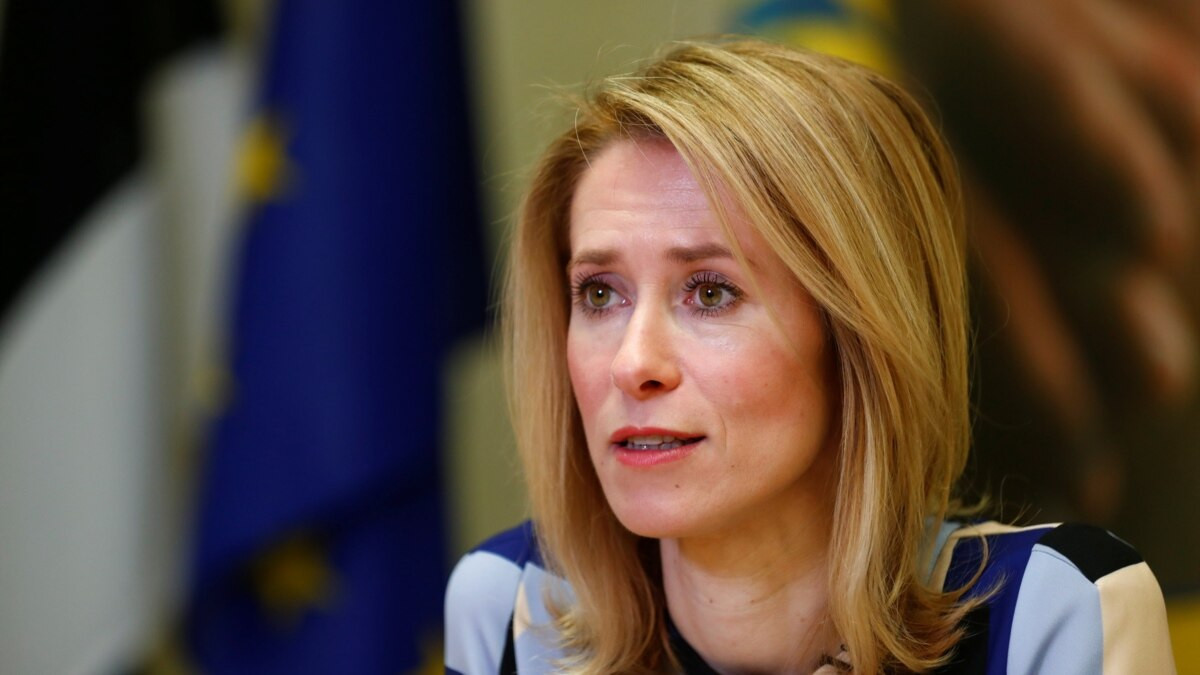
EU to allocate 140 billion euros to Ukraine: what will happen to frozen assets of the Russian Federation.

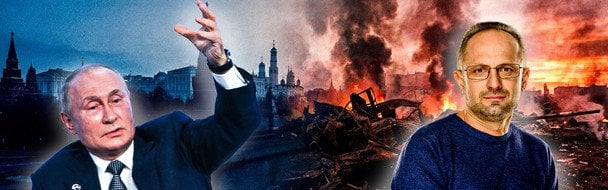
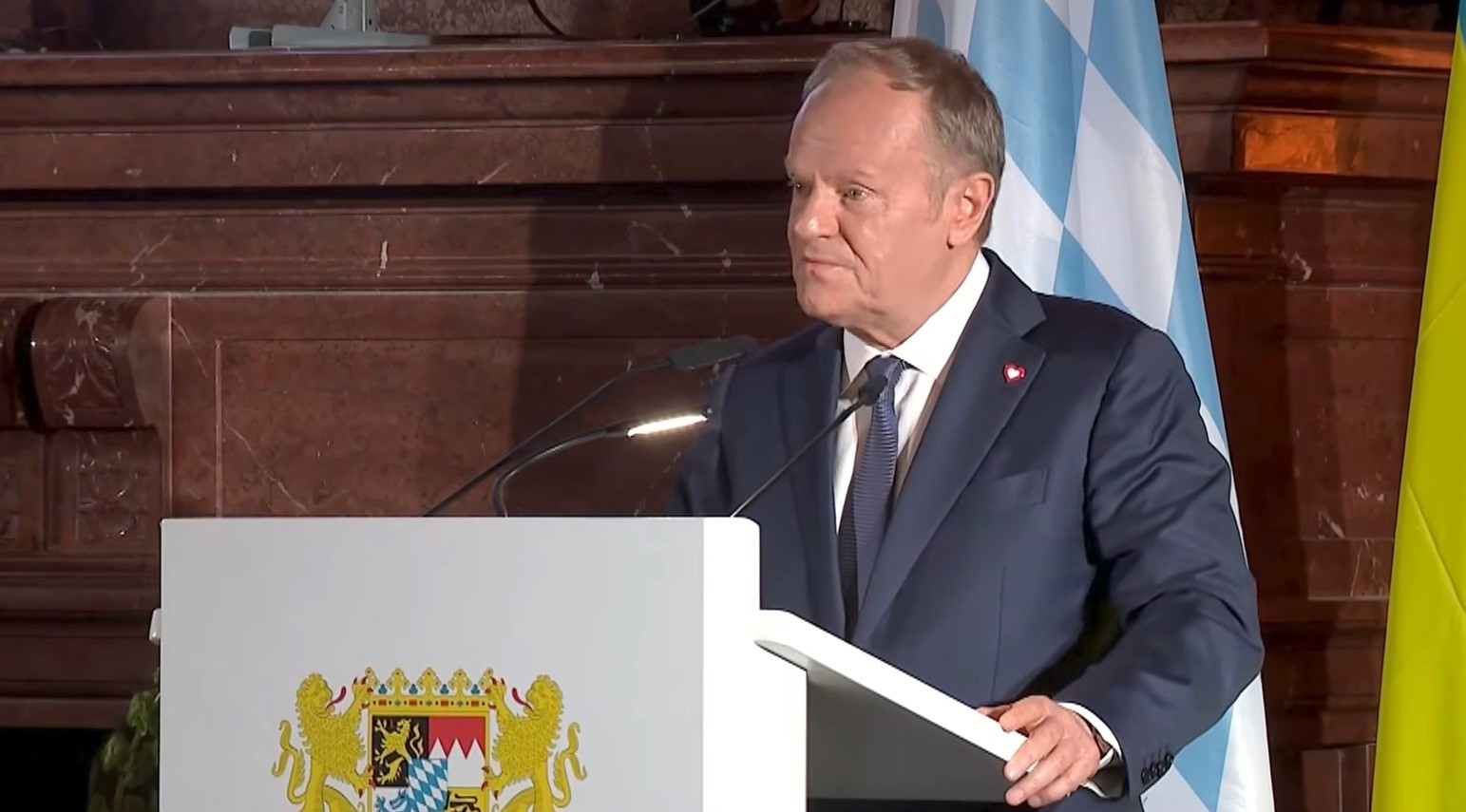
According to ТСН: Recently in Brussels, leaders of EU countries discussed the issue of providing Ukraine with a reparations loan of 140 billion euros for the next two years, which will effectively be secured by the frozen assets of the Central Bank of the Russian Federation. Polish Prime Minister Donald Tusk noted that "Now we have a simple choice: either money today, or blood tomorrow. And I'm not just talking about Ukraine, I'm talking about Europe."
If European leaders do not make a decision to use Russian assets, there is a risk that Trump and Putin will do so, as their plan includes a clause about the joint use of frozen assets. In the midst of these discussions, new threats from Lukashenko were heard, who stated that "Oreshnik" is already deployed in Belarus.
Russia's plans and threats to Europe
Does Russia really plan a war with NATO countries? What should Ukrainians expect from the "peaceful" negotiations promoted by the Trump administration in 2026?
Experts believe that Russia's main goal is to control the post-Soviet space, including the countries of Eastern and Central Europe, as well as the regions of Central Asia. Putin is reviving Russia's imperial ambitions, so requests for compromise should be viewed as self-deception: the real goal of Moscow is the restoration of the Russian Empire.
— At an expanded meeting of the Russian Ministry of Defense that took place earlier, the head of the department Andrei Belozurov called on the military to prepare for a war with NATO in the next ten years.
Experts consider this statement an official threat to NATO countries, especially against the backdrop of discussions about the loan for Ukraine, which may be secured by frozen assets. Such emotional statements indicate serious problems in Russia, which has not coped with the expected reaction of the world to its actions.
Putin understands that if Europeans use his assets, it will be a huge blow to Russia, provoking a new wave of threats from the Kremlin. The situation in the world has fundamentally changed in recent years, and despite Moscow's plans, Ukraine has managed to alter those plans.
Possible scenarios for the development of events
— An analysis by ECFR mentions a possible Russian attack on Estonia, which has raised concerns in Europe.
Estonian, Lithuanian, and Latvian military forces are developing plans to prepare for potential attacks. There is a likelihood that the Kremlin will attempt to use bypassing tactics, striking at weak points.
Are frontal strikes possible?
It is quite possible that Putin will decide to launch his troops against the Baltic countries or Poland. This could lead to the emergence of new conflicts.
— Regarding the "peaceful" plan of the Trump administration, can these negotiations drag on until 2026?
Yes, negotiations will continue alongside the ongoing war. It is expected that during the internal elections in the USA, the situation may radically change if the Democrats nominate a strong candidate.
Thus, not only the negotiations but also Russia's growing aggressiveness may decrease; however, the war will continue, and economic difficulties in Russia will only exacerbate the situation, affecting global relations. This will pose a serious challenge for the USA and their relations with China and Russia.
Read also
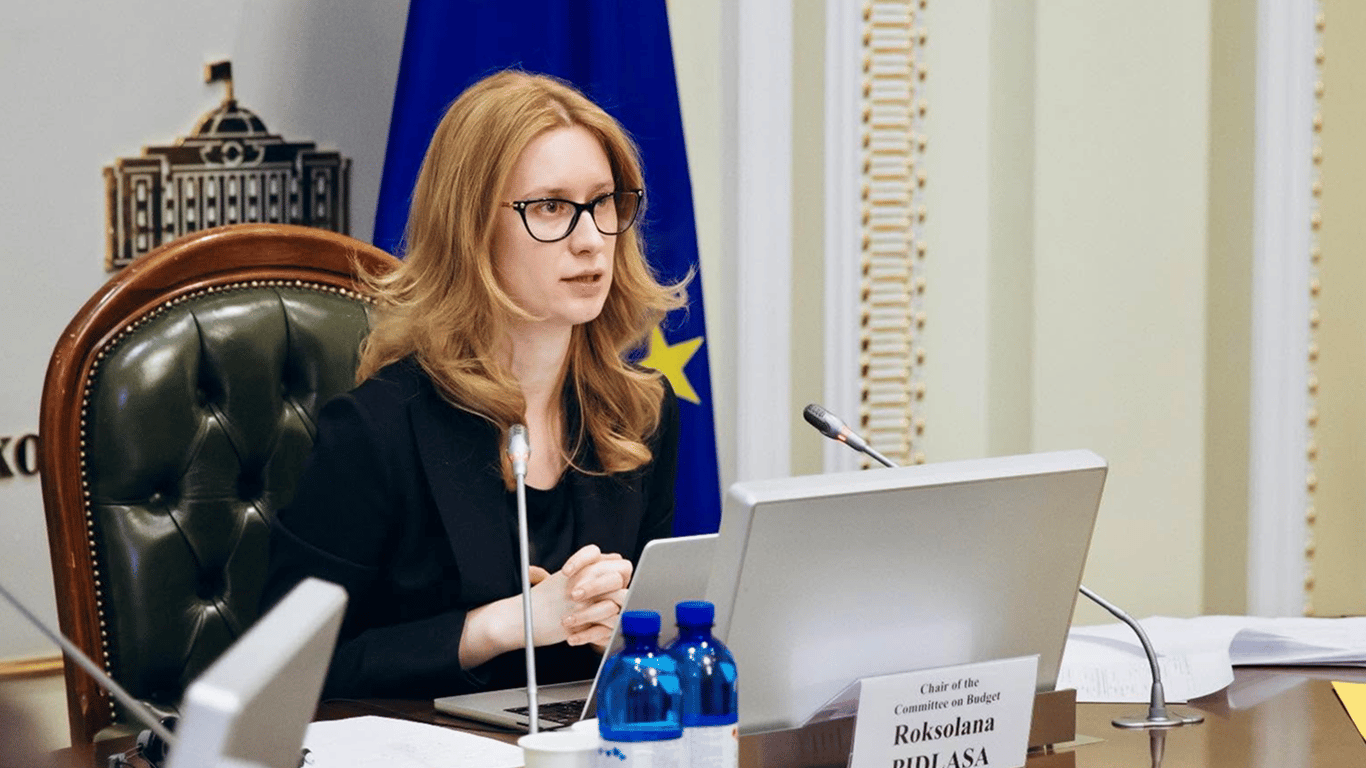
- 2026 Budget Amendments Get Initial Approval: Only 8 Out of 1,865 Proposals Accepted
- Tusk Urges Zelenskyy and Nawrocki to Hold Talks Amid Dispute Over UPA Honor
- Trump Administration Moves to Dismantle Ocean Monitoring Network: What It Means for Weather Forecasts
- Armenia’s Pashinyan sets three strategic goals: breaking with Russia, making peace with Azerbaijan, and pivoting to the EU
- Russian Agent Held in Kyiv for Plotting Assassination of Ukrainian Intelligence Officer Using FPV Drone
- EU’s Kallas Urges Russia-Ukraine Dialogue While Preparing New Sanctions Package