Secret Travel Codes: What Do Signals on Planes and Cruises Really Mean.

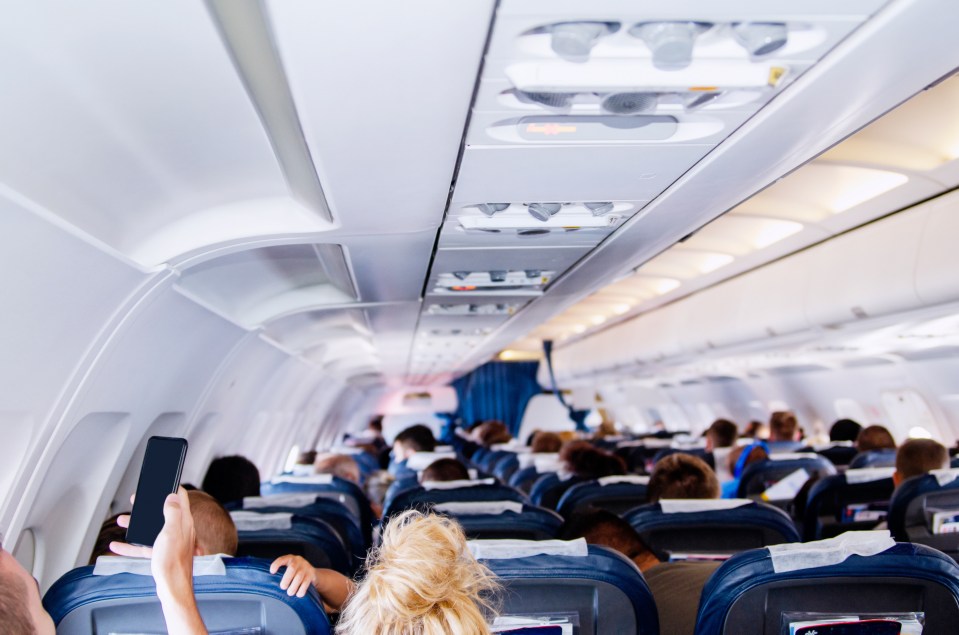
According to The Sun: During travels, various unforeseen situations may arise, and did you know that there are secret codes for emergencies?
Whether on a plane or a cruise ship in the Mediterranean Sea, the crew has several codes for different situations that require urgent response.
GettyAirports, planes, trains, and cruise ships use codes for emergencies.
While most codes relate to less serious cases, some indicate more dangerous situations.
Planes
For many passengers, the worst nightmare is to learn of a problem during flight.
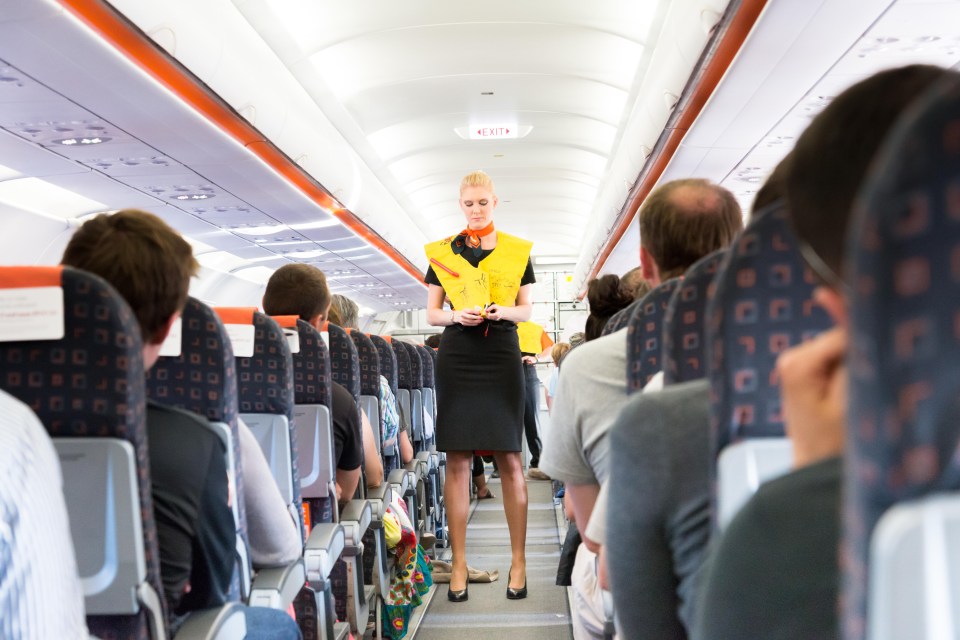
Thanks to the use of codes, flight attendants can communicate with each other without alarming passengers.
For example, 'Code 300' or 'Angel' indicates that a passenger has died on board the plane.
“Angel” being used by flight staff, where they will then communicate on what to do including potentially moving the body away from other passengers.
In contrast, 'Squawk 7500' or 'Hotel' signals a hijacking.
“Squawk 7500” to air traffic control to alert them that the plane is in danger without actually explaining the situation or alerting passengers.
If you hear 'Pan-Pan', it means there has been a serious but not life-threatening situation on board.
There are also codes for less serious cases, such as 'Code Yellow', which warns of a minor medical issue when a passenger feels unwell.
Airports
Codes can be heard not only in the aircraft but also at the airport.
For example, 'Code Adam' means that a child is missing and an announcement is made to begin a search.
“Code Adam” means a child has gone missing and is announced to begin a search for the child, including securing exits in case of a potential child abduction.
According to data from The Telegraph, 'Code Bravo' warns of a security threat.
AlamyThere are many more codes that are not announced at the airport but are used for operational communication.
For example, 'DF' indicates aircraft damage, while 'DG' signifies damage from ground operations.
Cruise Ships
On a cruise ship, passengers would not want to hear 'Operation Rising Star', which means a passenger has died.
“Operation Rising Star” means a passenger has passed away.
'Operation Shining Star' or 'Blue Star' indicates a medical emergency on board.
 Getty
Getty
'Alpha' code may also indicate a medical emergency.
If someone falls overboard, you will hear 'Code Oscar', and 'Code Echo' signals a collision threat with another vessel.
Trains
For passengers traveling by train, there are also secret codes.
For example, if you hear 'Inspector Sands', it means a fire has occurred.
Additionally, there are codes from one to seven indicating various cleaning tasks, including blood, urine, and vomit.
Alamy
These codes allow staff to effectively communicate about emergencies without attracting the attention of passengers.
Thus, the secret codes used in transport help ensure the safety of passengers in crisis situations. They form an important part of response procedures, allowing staff to interact quickly and safely with each other during emergencies. Knowledge of such codes can be useful for understanding potential situations one may encounter while traveling.
Read also
- Paper Tickets Now Mandatory for Certain International Routes, Ukrzaliznytsia Warns Travelers
- A Hidden 1989 Inscription by Metro Builders at Kyiv’s Golden Gate Station: What Lies Behind the Wall
- Buses from Ukraine to Poland Suspended for 18 Months Due to Repairs at Shehyni-Medyka Border Crossing
- Suitcase delivery to parcel lockers across 8 EU countries launched by InPost – pricing revealed
- Bus Service to Poland via Shehyni Checkpoint to Halt for 18 Months Starting June 15, 2026
- Over 10 Odesa Beach Zones Certified and Ready for Summer Season