Airports, hotels, and restaurants: how you are forced to spend more.

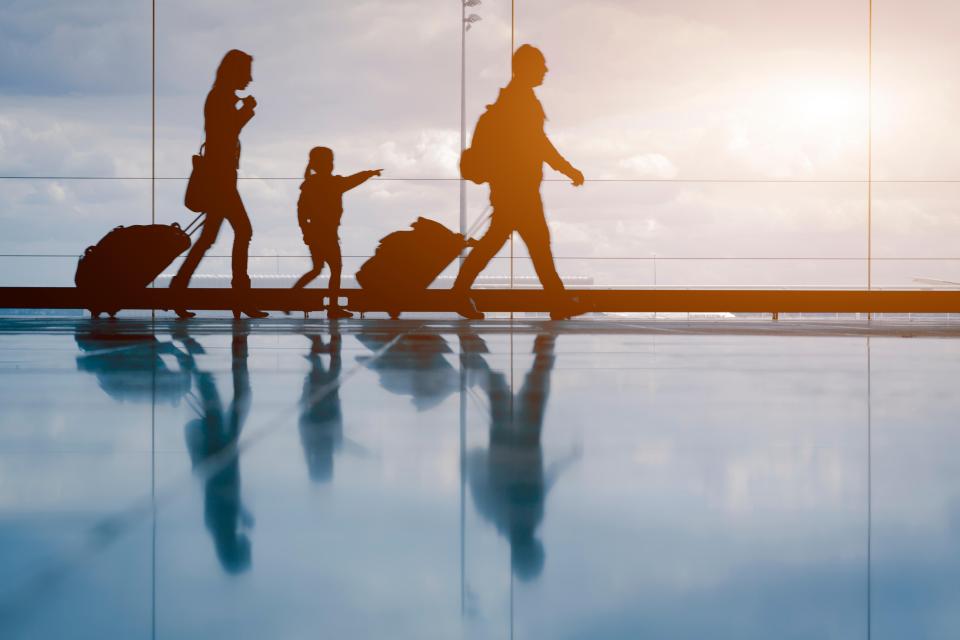
According to The Sun: Each of us wants to spend our time wisely, whether during a night visit, a trip to a favorite restaurant, or on vacation.
However, unknowingly, you may be spending more money at airports, hotels, and restaurants without even realizing it.
AlamyAirports
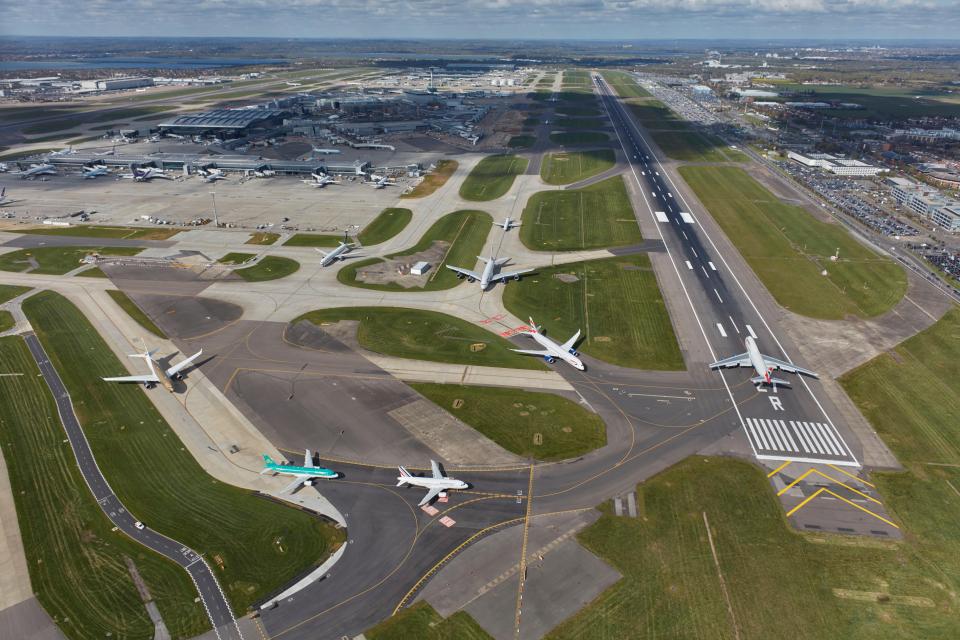
Turning the airport experience into a continuous process is a rarity; most often, you have to stand in lines and wait for your boarding call.
But did you know that this is not a coincidence, but a well-thought-out tactic to encourage you to spend more?
Long delays between security checks and boarding give passengers more time for shopping and dining, increasing the likelihood of purchases.
Since you need to arrive at the airport several hours before departure, once inside, you feel 'trapped.' If you're hungry, eating outside the airport becomes impossible, and you’ll have to buy something there.
While duty-free shops offer cheaper goods, you won't save money if you didn't plan to buy anything.
Airport stores are designed to engage you - bright lights and interesting displays draw your attention.
According to an Intervistas report, the walkways in the duty-free store are designed to curve left, as most passengers are right-handed.
Goods are placed in the right sector, as they are best visible there.
If you've noticed that there are always more people at the airport than seats, that's true.
 Alamy
Alamy
Hotels
When you stop at hotels, one way to encourage you to spend more is classic upselling.
Offering an upgrade for a better view or a larger bed can significantly increase your expenses.
Besides upselling, there’s another method - cross-selling, when hotel staff or platforms offer additional services, like discounted event menus or spa treatments.
Hotels with bars, cafes, and restaurants on-site also encourage guests to spend more: the convenience of location means they don't need to leave the hotel.
Don't forget loyalty programs, which might not be as beneficial as advertised.
Alamy
Restaurants
Restaurants also have their tricks to get you to spend more, starting with strategic pricing.
This is an old trick where prices like '19.99' seem significantly cheaper than '20.'
Frequently, restaurants use expensive dishes as decoys: a few items with inflated prices make others appear more attractive.
Another method is a fixed menu that may seem advantageous but includes dishes you might not have ordered under normal circumstances.
The 'bracketing' strategy is also popular: usually, two portions are offered - 'large' and 'small.' However, consumers are unaware of how much smaller the 'small' portion is, so they think it’s a better deal.
Waiters often try to suggest additional dishes or desserts.
Getty
In reality, the restaurant wanted to sell a smaller portion at a lower price from the start, using the larger one to create an illusion of value.
After placing an order, waiters may ask if you’d like additional side dishes, like fries or vegetables, prompting you to spend your last money.
The same applies to desserts; staff may offer you a tempting dessert menu, hoping for impulse orders.
As for drinks, staff usually do not ask if you want tap water, instead offering bottled, both sparkling and still, which tends to be more expensive.
Even the atmosphere in a restaurant can encourage you to linger longer and spend more: soft music and a cozy setting help patrons feel relaxed.
This is how airports, restaurants, and hotels encourage you to spend more.
Airports, hotels, and restaurants, so familiar in our daily lives, have their strategies for influencing consumer spending. They use various psychological tricks to prompt impulse purchases. Knowing these methods will help you be a more conscious consumer and avoid unnecessary expenses while traveling. Read also
- Paper Tickets Now Mandatory for Certain International Routes, Ukrzaliznytsia Warns Travelers
- A Hidden 1989 Inscription by Metro Builders at Kyiv’s Golden Gate Station: What Lies Behind the Wall
- Buses from Ukraine to Poland Suspended for 18 Months Due to Repairs at Shehyni-Medyka Border Crossing
- Suitcase delivery to parcel lockers across 8 EU countries launched by InPost – pricing revealed
- Bus Service to Poland via Shehyni Checkpoint to Halt for 18 Months Starting June 15, 2026
- Over 10 Odesa Beach Zones Certified and Ready for Summer Season