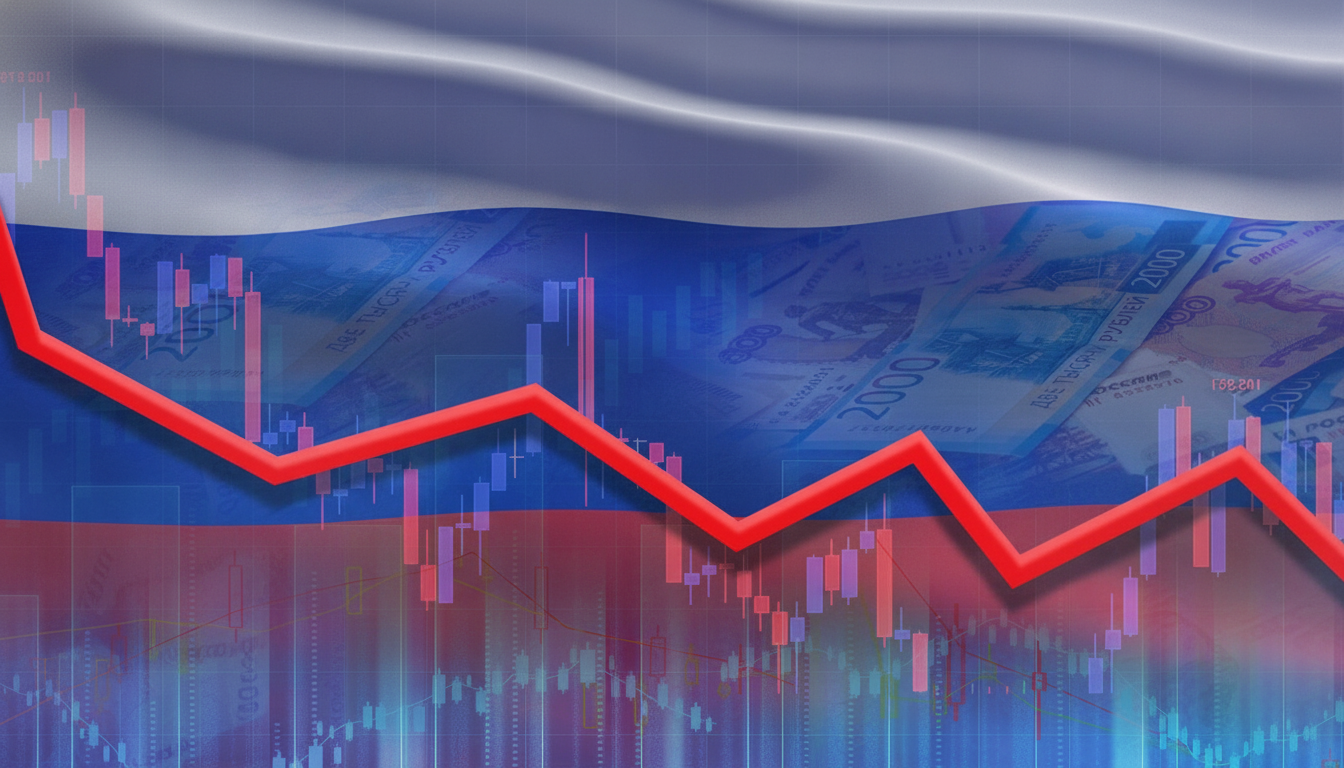
EU-Russia Trade Hits Record Low, with EU Exports Down 60%.

Trade Between the European Union and Russia
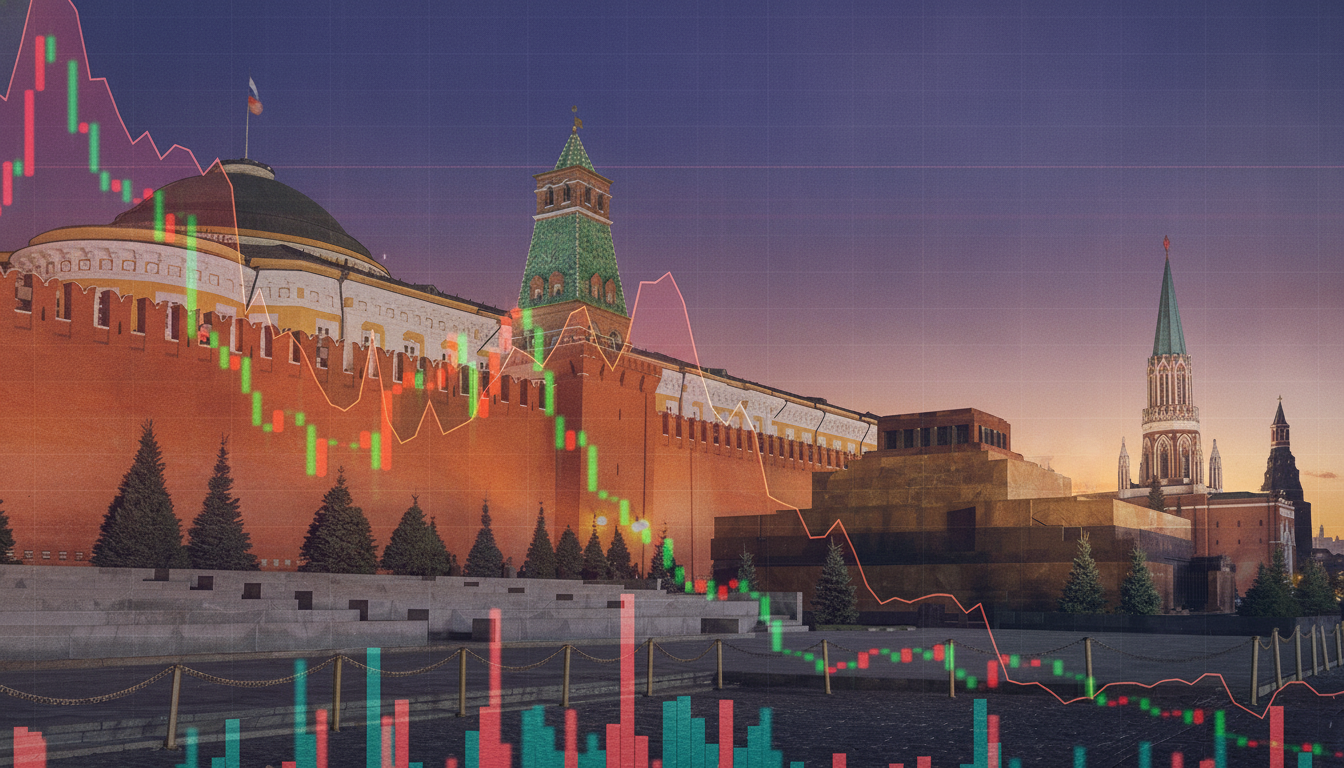
According to UATV: Trade between the European Union and Russia has plummeted to a record low by the end of 2025. This dramatic shift has seen EU exports to Russia fall by over 60% compared to the first quarter of 2022, while imports from Russia into the EU have dropped by 90%. These figures highlight a severe contraction in economic ties, driven by ongoing political and economic tensions following Russia's invasion of Ukraine. The steep decline underscores the profound impact of sanctions and the decoupling of the two economies.
In response to these restrictions, Russia's Central Bank has filed a lawsuit against an EU decision adopted on December 12, 2025. The EU has reportedly frozen approximately 210 billion euros in Russian assets. Meanwhile, in 2026, Russia entered the new year with a record 67 trillion rubles in bank accounts, an increase of 10 trillion rubles from the previous year. Analysts suggest this surge is largely due to high deposit rates, which have reached up to 25% annually.
Russia's Economic Situation
Russia's economic growth is slowing significantly. GDP grew by 4.9% in 2024, but this figure fell to just 1% in 2025. For 2026, Russia's planned budget deficit is set to reach 3.8 trillion rubles. In January 2026, oil and gas revenues were half of what they were a year earlier. Furthermore, the country increased its value-added tax (VAT) from 20% to 22%, effective January 1, 2026.
The Russian Central Bank claims Brussels 'committed significant procedural violations.' Concurrently, some analysts emphasize the critical importance of economic resources, noting:
'If this channel is blocked, the resources for war will sharply decrease.'Looking ahead, if the situation does not change, the region could lose around 20,000 jobs. Commenting on the current state of affairs, former Russian Prime Minister Dmitry Medvedev remarked:
'There is no money, but you must carry on.'
Given these facts, three conditions for accessing the frozen funds remain in place:
- An end to the war against Ukraine
- The payment of reparations
- A cessation of actions threatening Europe
These conditions indicate that future economic and political relations between Russia and the EU will remain under intense strain. The reduction in trade and economic activity points to serious consequences for both sides and underscores the protracted and deep nature of this crisis, which has the potential to affect global markets and regional stability for years to come.
Read also
- Russia Claims Capture of Kostiantynivka; Zelenskyy and Military Dismiss It as a Hoax
- September Elections in Russia: How War Veterans Are Being Positioned as the New Political Elite
- Poland Revokes Zelenskyy's Order: Reactions from Sikorski and Medvedev
- Russian Drone Strikes a Residential Building in Romania: Is NATO Ready for a New Threat?
- No New Mobilization in Russia, Says Peskov: What It Means for Ukraine
- Estonia Faces Hybrid Warfare Threat as Kremlin Targets Russian-Speaking Narva