









Trump Builds Coalition for the Strait of Hormuz—With a Plan to Seize Kharg Island.

Trump coalition and Kharg island

U.S. President’s Strategy for the Strait of Hormuz

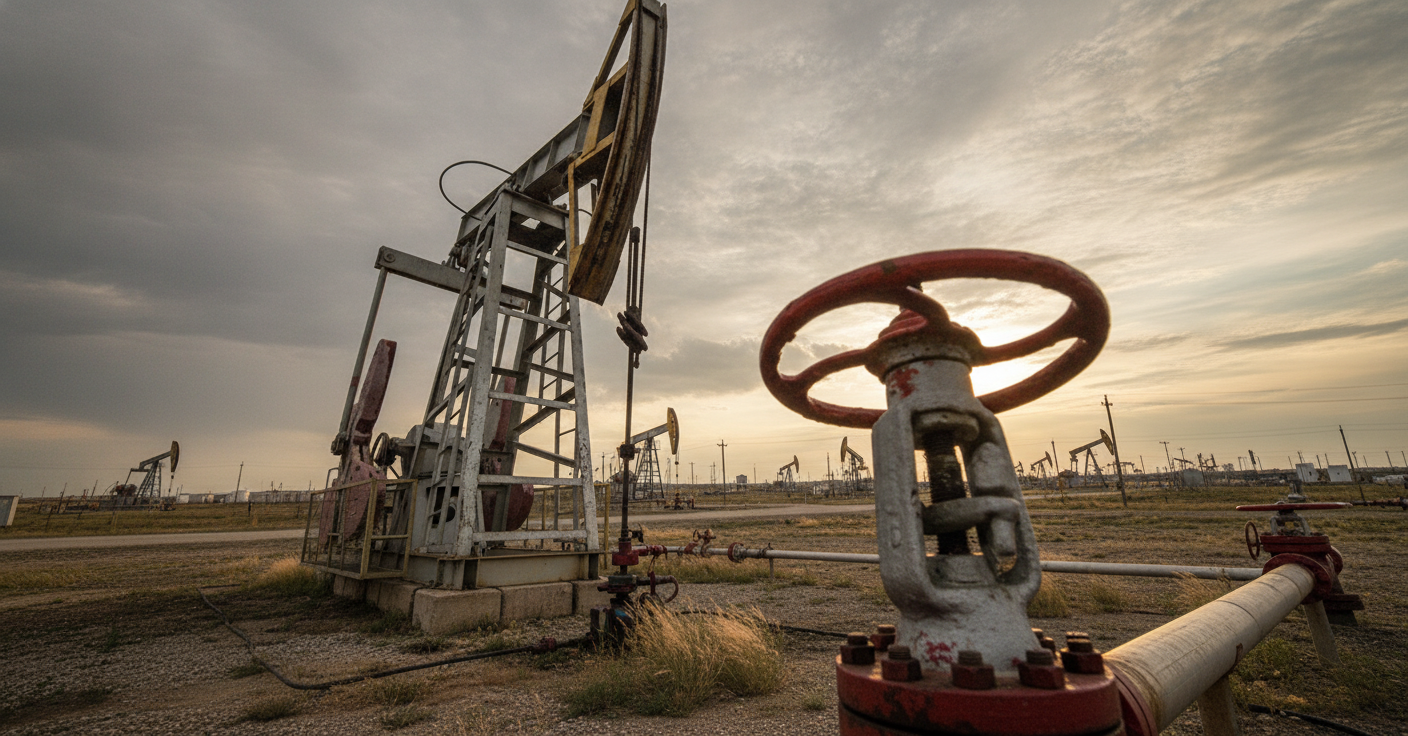
According to TSN.ua: U.S. President Donald Trump is working to assemble an international coalition aimed at reopening the Strait of Hormuz, a move that would directly impact Iran’s economy. In the coming days, Trump is expected to announce the formation of this coalition, which he argues is necessary to restore commercial shipping through this vital maritime corridor. Approximately 90% of Iran’s crude oil exports pass through the strait, making it a linchpin of the region’s economic stability.

Military Actions and Iran’s Response

On March 14, 2026, Trump declared his intention to deploy naval warships to the Gulf to restore commercial shipping.

“The United States, together with several other nations, will send warships to the Gulf to restore commercial navigation,” the president stated.
He is scheduled to discuss the Iran situation with Japanese Prime Minister Sanae Takaichi on March 19, 2026. Meanwhile, on March 13, 2026, Trump confirmed he had ordered strikes on military targets on Kharg Island. U.S. officials have indicated that capturing the island would require an American ground presence.

Tehran is currently blocking oil exports from Gulf states while allowing tankers carrying Iranian oil to pass freely. This situation could have severe regional consequences, as conflict in the Middle East threatens to trigger a global food crisis due to fertilizer shortages, according to the Financial Times.

Trump also stressed the need for a decisive response, warning:

“If there is no response, or if it is negative, I think it will be very bad for NATO’s future.”

In summary, Trump’s plans for the Strait of Hormuz and Kharg Island could significantly alter Iran’s economic landscape and disrupt global energy markets. By forming an international coalition, the president aims to ensure regional stability and maintain uninterrupted oil exports. These actions risk escalating tensions between the U.S. and Iran, given the high stakes surrounding energy security and geopolitical stability in this strategic part of the world.


Read also

Advertising