Trump's Ambition for Greenland Puts U.S.-Europe and NATO Ties at Risk.

Trump's Greenland Ambitions and the Diplomatic Fallout
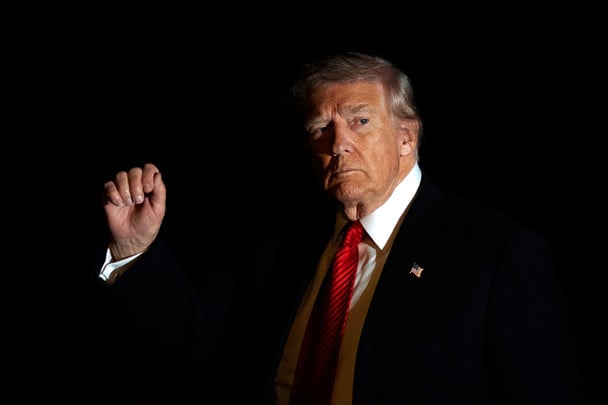
According to TSN.ua: U.S. President Donald Trump has reaffirmed his intentions regarding Greenland, a move that threatens to destabilize America's relationships with Europe and NATO. European nations view these plans as unacceptable, considering the transfer of Greenland's sovereignty a red line that must not be crossed. Trump's advocacy for direct American administration of this autonomous territory has provoked a sharp negative reaction from European diplomats. This is not the first time a U.S. president has shown interest in Greenland, but the current geopolitical climate makes the proposition particularly volatile.
Greenland, part of the Kingdom of Denmark, holds a special status and is protected by NATO's Article 5, which obliges allies to defend one another in case of aggression. The issue gains heightened significance within the context of current global politics and security. Residents of Greenland have already expressed their discontent with Trump's plans, protesting outside the U.S. consulate. These actions reflect the local population's profound anxiety over potential changes to their territory's status.
Strain on International Relations
Simultaneously, British Prime Minister Keir Starmer finds himself in a difficult position due to Trump's ultimatums. European diplomats note that Trump is not bluffing, underscoring the seriousness of his intentions. Danish and EU representatives stress that the sole red line for them remains the question of transferring Greenland's sovereignty, which could significantly impact future U.S. relations with European countries and NATO as a whole. The alliance, founded on collective defense, now faces a test of unity over a territorial dispute.
This situation highlights alarming trends in international relations, where questions of sovereignty and territorial integrity are becoming subjects of political maneuvering. - Source unknown
Amid growing tension between the U.S. and Europe, it is crucial to monitor the next steps of both the American administration and European leaders, as these events could have far-reaching consequences for global security and stability in the region.
Read also
- US Skepticism Greets China’s Peace Plan: Can a Ceasefire Actually Happen?
- U.S. Role in Zelenskyy’s Letter to Putin: Analyst Weighs In on Diplomatic Channels
- Trump Endorses a Meeting Between Zelensky and Putin: Peace Proposal Sent to the Kremlin
- AI-Driven Simulation Reveals How a US-China War Over Taiwan Could Ignite
- Trump Backs Proposal for Zelensky-Putin Meeting: What We Know So Far
- Rubio Announces $400 Million Aid Package for Ukraine: Could This Shift Russia’s Stance?