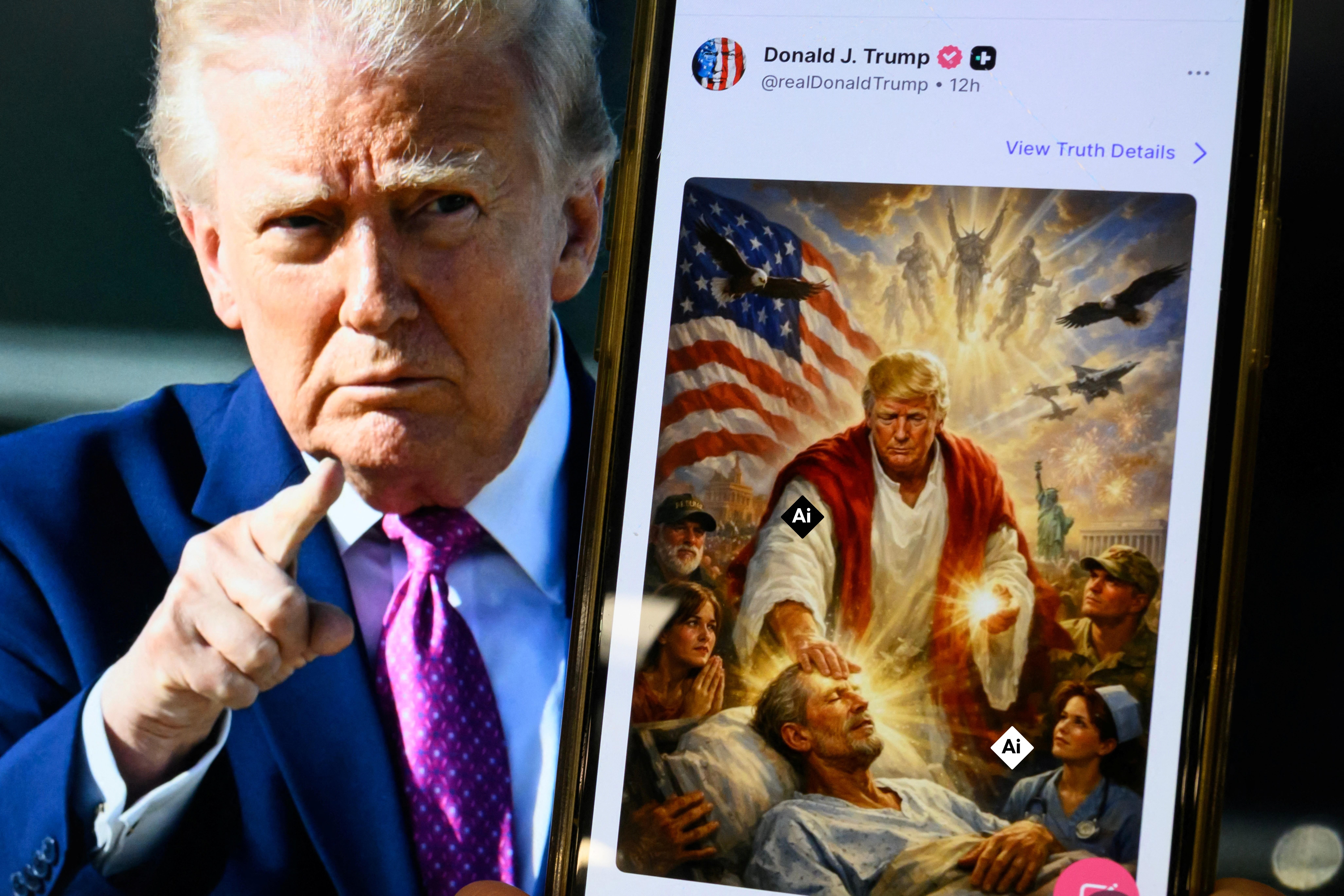
Trump Shares AI-Generated Image of Himself as Jesus: How the Antichrist Concept Shapes U.S. Politics.

The Antichrist Idea and Its Role in Modern American Politics
According to Vox - Загальний: In today’s U.S. political landscape, discussions about the Antichrist have resurfaced—a concept that first emerged in political discourse during the 1880s. This renewed attention comes after Donald Trump posted an AI-generated image on Truth Social showing himself as Jesus. The image sparked debate over its potential ties to the Antichrist figure, which history professor Matthew Sutton describes as
'a global leader who will suppress Christians.'For an English-speaking audience, it’s worth noting that such religious imagery has long been a tool in American political messaging, blending faith with leadership narratives.
A Century of Antichrist References in Politics
References to the Antichrist in American politics date back more than a hundred years. During World War I, fundamentalists argued that their biblical interpretations aligned with global events, signaling a growing religious influence on political sentiment. Key milestones that further shaped perceptions of the Antichrist include the formation of the League of Nations, the United Nations, and the events leading to World War II.
Sutton warns that this idea can be dangerous because it
'increases polarization'within society. The ongoing discussion of the Antichrist in modern politics highlights how deeply held religious beliefs can intersect with state policy, shaping public opinion and perceptions of leaders. This issue remains relevant and warrants further examination in the context of today’s political realities.
Exploring the Antichrist concept in U.S. politics underscores how religious ideas can influence political narratives and mold societal attitudes. Given the rising polarization in the political environment, paying attention to such debates is crucial, as they can significantly impact elections and decisions made by government institutions. Further research into this topic could provide deeper insights into the role of religion in contemporary politics and its effect on democratic processes.
Read also
- The 2026 Tech Breakthrough That Gave Ukraine the Upper Hand on the Battlefield
- Turkey Seeks Third-Country Transfer of S-400s: Could F-35 Deal Be Revived?
- Taylor Swift and Travis Kelce Tie the Knot in New York: Inside Their Private Wedding
- Ukraine’s Strikes Shift Trump’s Stance: A New Tone Emerges
- Russia’s Strategic Position Deteriorates as Ukraine Intensifies Counteroffensives: Frontline Analysis
- US Defense Firms Eye Patriot Missile Production in Ukraine, Says McCaul