Poland’s Tusk calls Szijjarto’s Lavrov contacts a disgrace; Germany demands answers from Hungary.

Polish Prime Minister’s Outrage and Germany’s Response
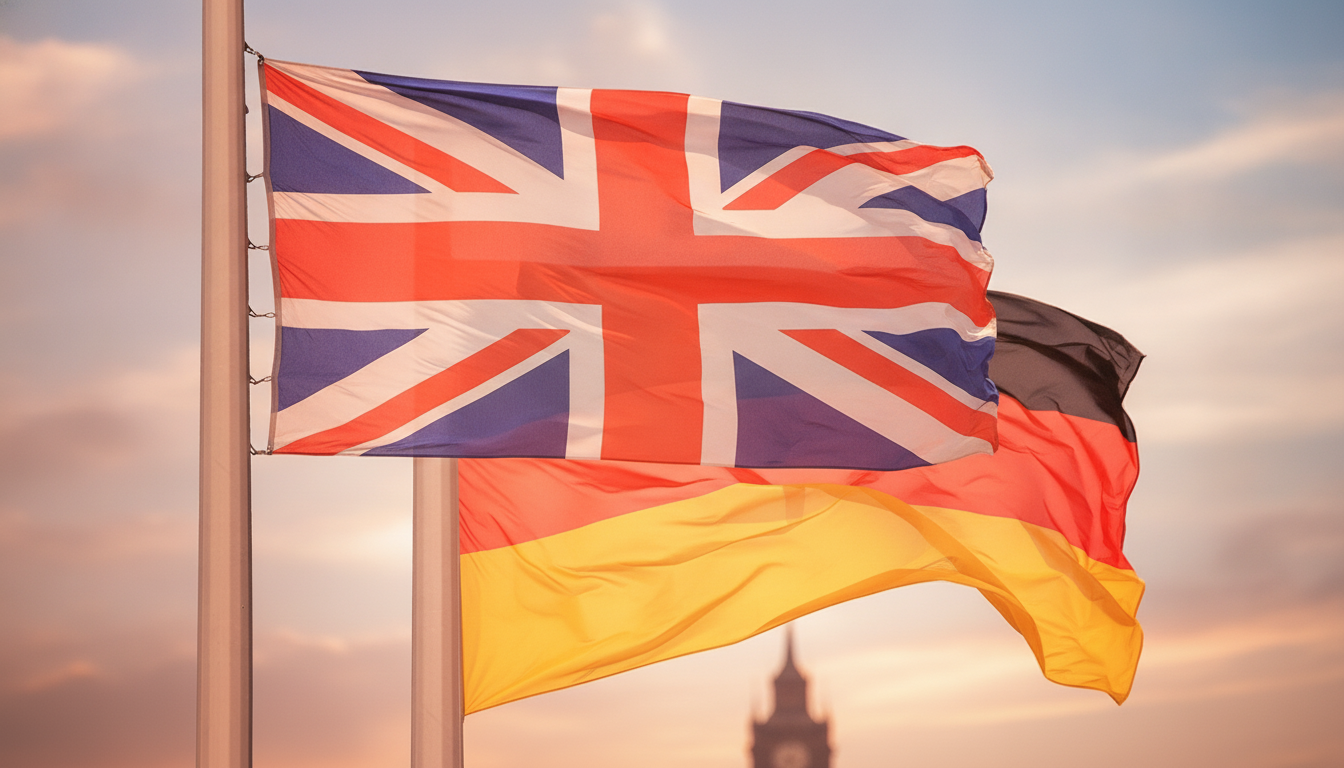
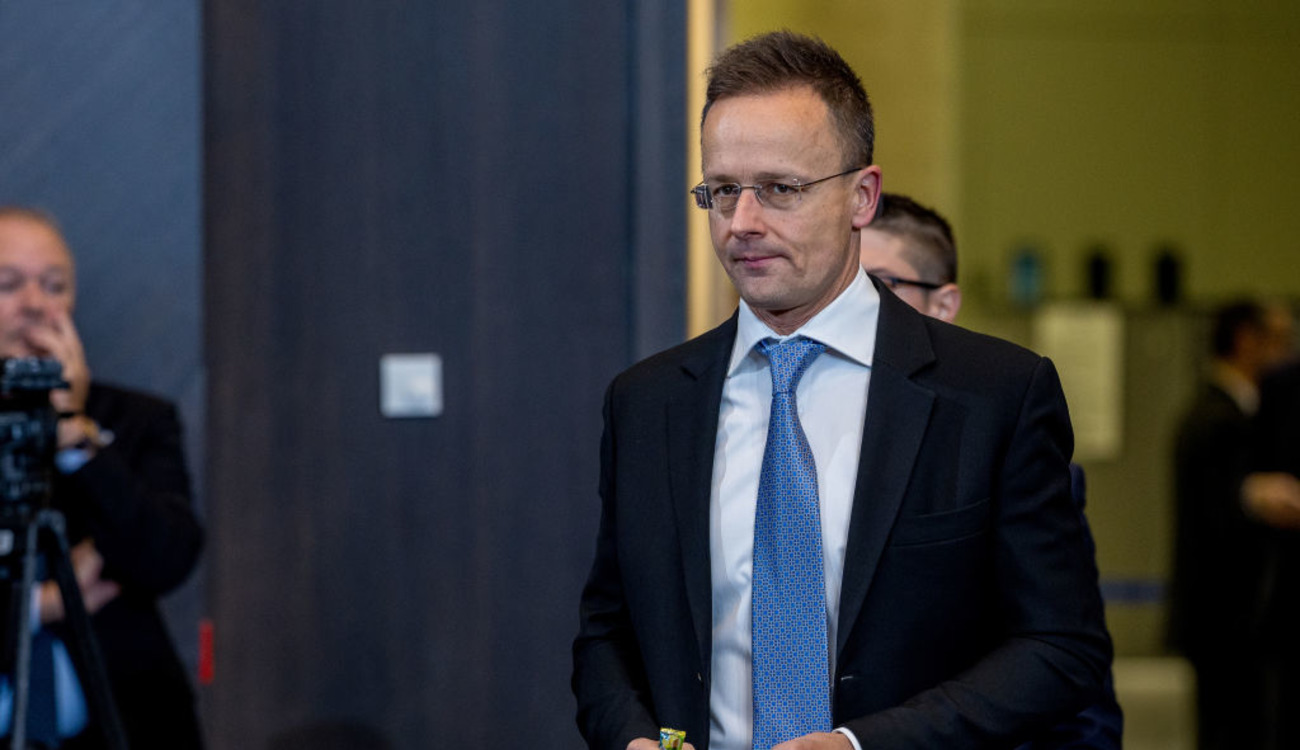
According to UATV: Polish Prime Minister Donald Tusk has condemned Hungarian Foreign Minister Péter Szijjártó for maintaining contact with Russian Foreign Minister Sergey Lavrov, labeling these interactions a 'disgrace.' This public rebuke followed the Hungarian diplomat’s confirmation of phone conversations with Moscow. In a related development, Germany has demanded that Hungary clarify whether any confidential information was shared with Russia, a move that has heightened diplomatic tensions between the two nations.
Political Fallout and Implications
The leader of Hungary’s opposition Tisza Party, Péter Magyar, has also sharply criticized Szijjártó’s actions, accusing him of 'high treason.' This strong language underscores the gravity of the situation and the deep concern it has sparked among Hungarian political figures. Given Hungary’s upcoming parliamentary elections, scheduled for April 12, the controversy could significantly sway voter sentiment and party dynamics.
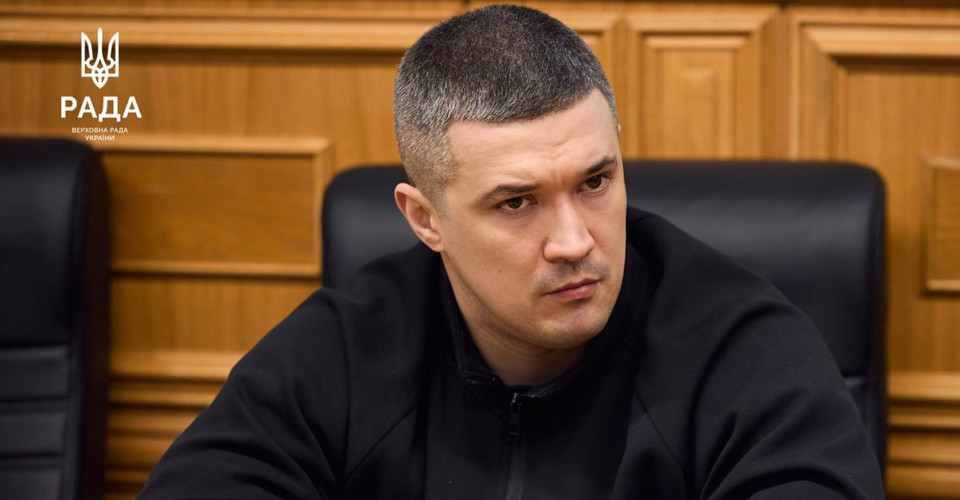
Hungarian Prime Minister Viktor Orbán has not remained silent on the matter. Additionally, former head of Hungary’s Cyber Defense Service, Ferenc Frész, may be implicated, as the disclosure of closed EU meetings poses serious national security risks.
'We will not tolerate any violations of these principles. Now the Hungarian government must provide answers.' Germany
The European Union has also taken action, excluding Hungary from certain negotiations due to the information leak, signaling the severity of the incident. In response, Péter Szijjártó stated:
'Yes, these issues need to be discussed with our partners outside the EU.'This remark suggests Hungary’s intent to maintain dialogue despite strained relations with the EU and other countries.
This situation highlights growing tensions within European relations, particularly amid security challenges stemming from Russian aggression. The Hungarian foreign minister’s contacts with Russian officials could jeopardize not only Hungary’s national security but also regional stability. As Hungary approaches its parliamentary elections, the political consequences of this incident are likely to become even more pronounced, influencing voter behavior and party platforms across the nation.
Read also
- Hungarian prosecutors search Fidesz party headquarters over €47 million fund distribution probe
- Hungary Braces for Major Probes: Orban and Szijjarto Could Face Consequences for Alleged Kremlin Ties
- 1943 Mass Grave of Conflict Victims Discovered by Polish and Ukrainian Archaeologists
- Zelenskyy to Declassify SBU and Intelligence Archives: Tusk Reacts Positively
- Poland Open to Dialogue with Ukraine as Tusk Praises Zelenskyy's Moves
- Orban Accuses Former Foreign Minister Szijjarto of Treason Over Alleged Moscow Ties