A rare woodcock spotted in Chernobyl: why this bird hides so much.

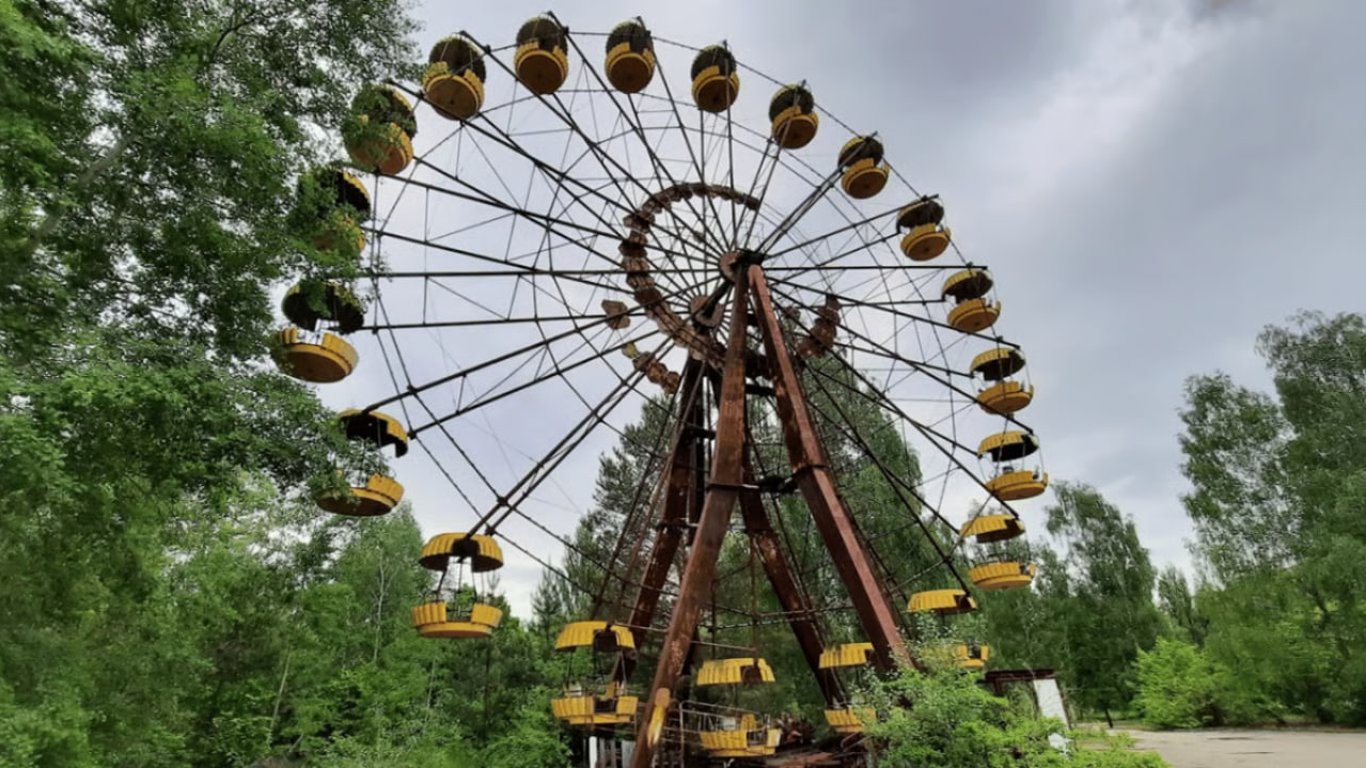
The woodcock, also known as the forest snipe, is considered one of the most mysterious inhabitants of Ukrainian forests. To see this bird in the wild, one needs to have true luck, especially in Chernobyl, where one can encounter the snipe amid the silence of the rejuvenated forests of the exclusion zone.
This was reported by the Chernobyl Nature Reserve.
Forest snipe: features and habits
The snipe, or woodcock, belongs to the family Scolopacidae and lives in the forests of Polissya, the Forest-Steppe, and the Crimean mountains. The bird's eyes are placed on the sides of its head, allowing it to almost unlimitedly survey its surroundings. Its beak can bend to extract invertebrates from deep soil.
'Seeing the snipe during the day is virtually impossible. Its mottled plumage perfectly camouflages it against the forest floor, and the bird becomes active in the evening and at night,' ornithologists note.
The snipe's flights are slow—about 8 km/h, which is one of the slowest among birds. At the end of spring, males perform courtship flights with characteristic sounds of 'koo-ock-ock' and 'chirping'. Artists use the snipe's feathers for whimsical painting. This bird chooses silence and solitude, avoiding human eyes. An encounter with it is a rare event that is long remembered.
It is also worth mentioning that another fluffy inhabitant—a squirrel—was spotted in the Chernobyl zone. This animal, known for its ability to build nests even in places that seem lifeless, was filmed by the reserve workers.
Earlier, there was a reminder about the achievements of Ukrainian director Andriy Pryymachenko in concluding an agreement with the American company HBO. Almost six years ago, he accused it of illegally using his work in the popular series 'Chernobyl'.
Ukrainian forests keep many secrets, and the forest snipe is just one of them. Meeting this mysterious bird is a true rarity and an incredibly exciting experience for any nature lover.
Read also
- Paper Tickets Now Mandatory for Certain International Routes, Ukrzaliznytsia Warns Travelers
- A Hidden 1989 Inscription by Metro Builders at Kyiv’s Golden Gate Station: What Lies Behind the Wall
- Buses from Ukraine to Poland Suspended for 18 Months Due to Repairs at Shehyni-Medyka Border Crossing
- Suitcase delivery to parcel lockers across 8 EU countries launched by InPost – pricing revealed
- Bus Service to Poland via Shehyni Checkpoint to Halt for 18 Months Starting June 15, 2026
- Over 10 Odesa Beach Zones Certified and Ready for Summer Season