Microbes Found Thriving in Fukushima's Radioactive Water Challenge Scientific Assumptions.

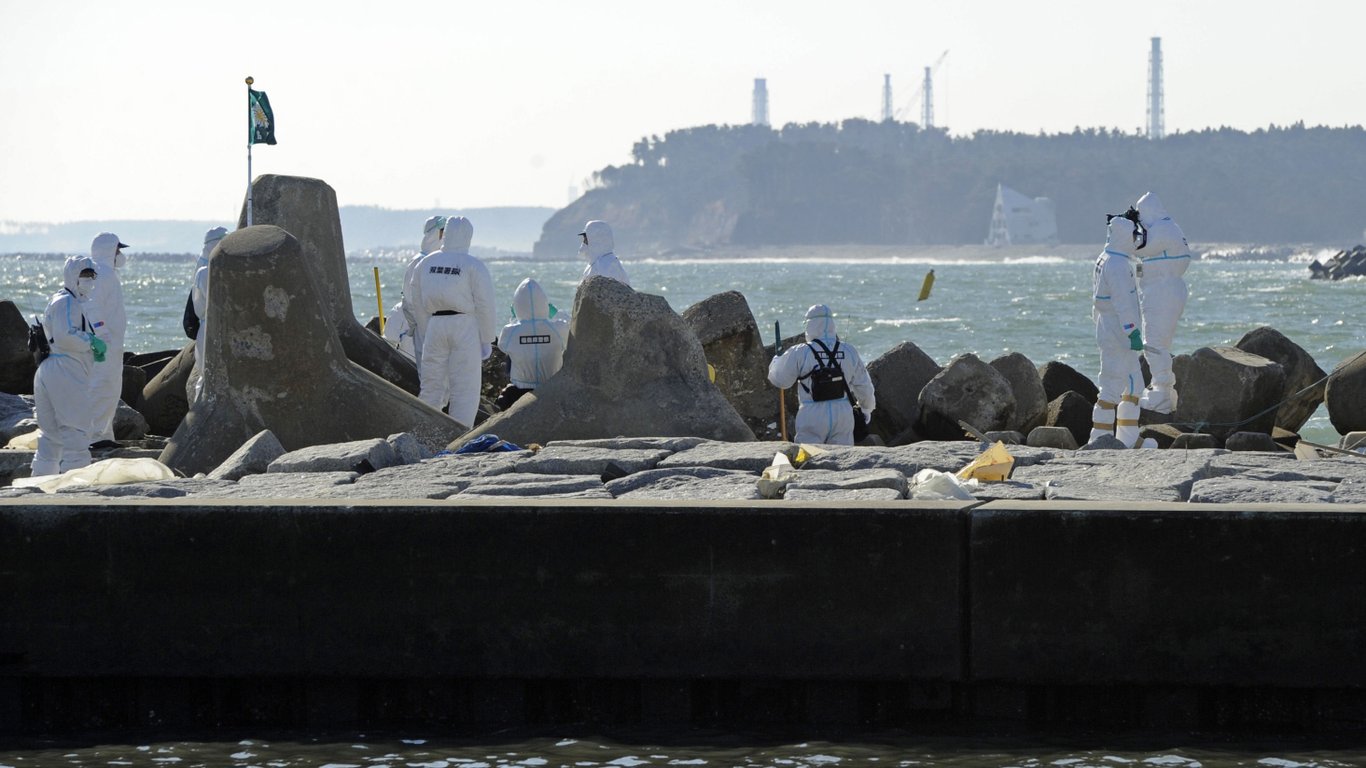
Microbial Life Discovered at Fukushima
According to Novyny.live: Researchers in Japan have discovered communities of microorganisms living in the highly radioactive water beneath the Fukushima Daiichi nuclear power plant. This finding is particularly surprising because these microbes lack the specific genetic resistance to radiation that scientists would typically expect, challenging long-held assumptions about what can survive in such extreme environments.
The 2011 tsunami triggered a major accident at the Fukushima Daiichi plant. In the aftermath, Japan suspended all nuclear operations, though it has recently restarted one surviving reactor. This context makes the discovery of life in the contaminated water even more remarkable.
Examining the Microbial Communities
While analyzing water samples taken from a torus-shaped chamber beneath the reactor building, scientists identified bacteria from the genera Limnobacter and Brevirhabdus. These microorganisms are chemolithotrophic, meaning they can derive energy from inorganic compounds.
A small number of iron-oxidizing bacteria from the genera Hoeflea and Sphinopyxis were also found in the samples. These results highlight the unique nature of microbial communities that have adapted to a radioactive environment, opening new avenues for studying their biology and ecology.
- Studying these microbes could be significant for understanding fundamental biological processes.
- They may lead to the development of new technologies for cleaning up radioactive waste.
The discovered microorganisms demonstrate a remarkable capacity for survival under extreme conditions, potentially altering our understanding of life's possibilities in radioactive settings. This discovery could form the basis for further research to help develop new methods for cleaning up and managing radioactive waste, while also deepening our understanding of ecological processes in contaminated environments.
Read also
- Seven Aerial Bombs Hit Donetsk Settlement: One Dead in Russian Strike
- Four Children Wounded in Russian Drone Strike on Sports Complex in Zaporizhzhia
- Red Cross Warehouse Destroyed in Russian Strike on Kyiv: $2.1 Million in Losses
- Over 20 Dead in Kyiv After Massive Russian Strike; Zelensky Urges Stronger Air Defenses
- Storm Warning Issued for Odesa on July 3: Thunderstorms, Gusts Up to 20 m/s, and Extreme Fire Risk
- Yellow Weather Alert Issued for Kyiv as Thunderstorms and Hail Approach