Kharkiv Faces a New Threat: Fiber-Optic Guided Drone Detected.

New Military Technology Emerges
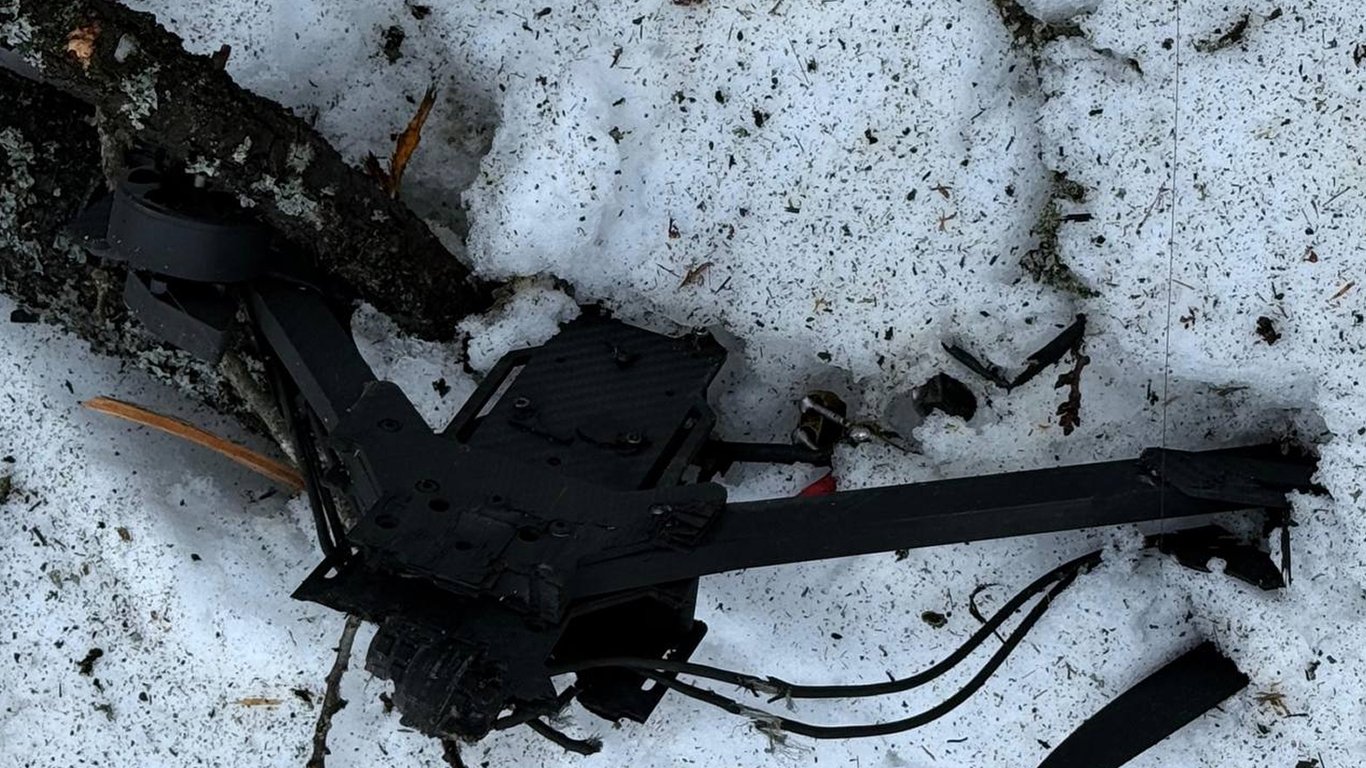
According to Novyny.live: On February 25, 2023, a new type of FPV drone, controlled via a fiber-optic cable, was detected for the first time in Kharkiv. This technology makes the drone exceptionally difficult to detect or intercept, raising significant concerns among military analysts. The drone is capable of operating at ranges of 25–30 km, and in some instances, up to 40 km. These capabilities represent a significant evolution in the military application of drone technology. The ongoing conflict has become a testing ground for increasingly sophisticated unmanned systems.
It is noted that while Russian fiber-optic drones had previously struck the Kharkiv region, they had not reached the city itself until now. Commenting on the development, aviation expert Kostiantyn Kryvolap stated:
'Current technology allows such drones to cover distances of 25–30 km, and in some cases—even around 40 km'. — Kostiantyn Kryvolap
This indicates that technological progress in drone warfare could have serious implications for regional security.
Challenges for Air Defense Systems
The fiber-optic drone attack on Kharkiv calls into question the effectiveness of traditional electronic warfare (EW) systems, which are powerless against this method of control. Countering such FPV drones may require specialized interceptors and radar systems, demanding new approaches and strategies for air defense. This underscores the critical need for military tactics to adapt to the novel challenges of modern warfare.
The integration of new security technologies, particularly drones, is a defining factor in contemporary military conflicts. The situation in Kharkiv demonstrates how rapidly warfare is evolving and highlights the necessity for militaries to be prepared to adapt their strategies in response to emerging threats. It also emphasizes the need for investment in next-generation air defense systems capable of countering cutting-edge technologies. Maintaining a focus on innovation in military hardware is essential to preserving a strategic advantage in the region.
Read also
- Why Ukraine Cannot Reproduce the Patriot System: An Expert Names the Key Hurdles
- Moscow’s Propaganda Falsely Claims Destruction of Ukrainian Robot Units: The Truth Behind the Orikhiv Battle
- Russia Unveils New 'Saturn' Drones: Key Specs and Frontline Combat Update
- Hotspot Sensor Unlocked on RTX 50 GPUs: What’s Really Causing Overheating Issues
- Germany Launches Mass Production of Gereon Ground Drones for Ukraine
- LG Display Experiment Shows 480Hz Monitor Boosts Gamer Accuracy by 38%