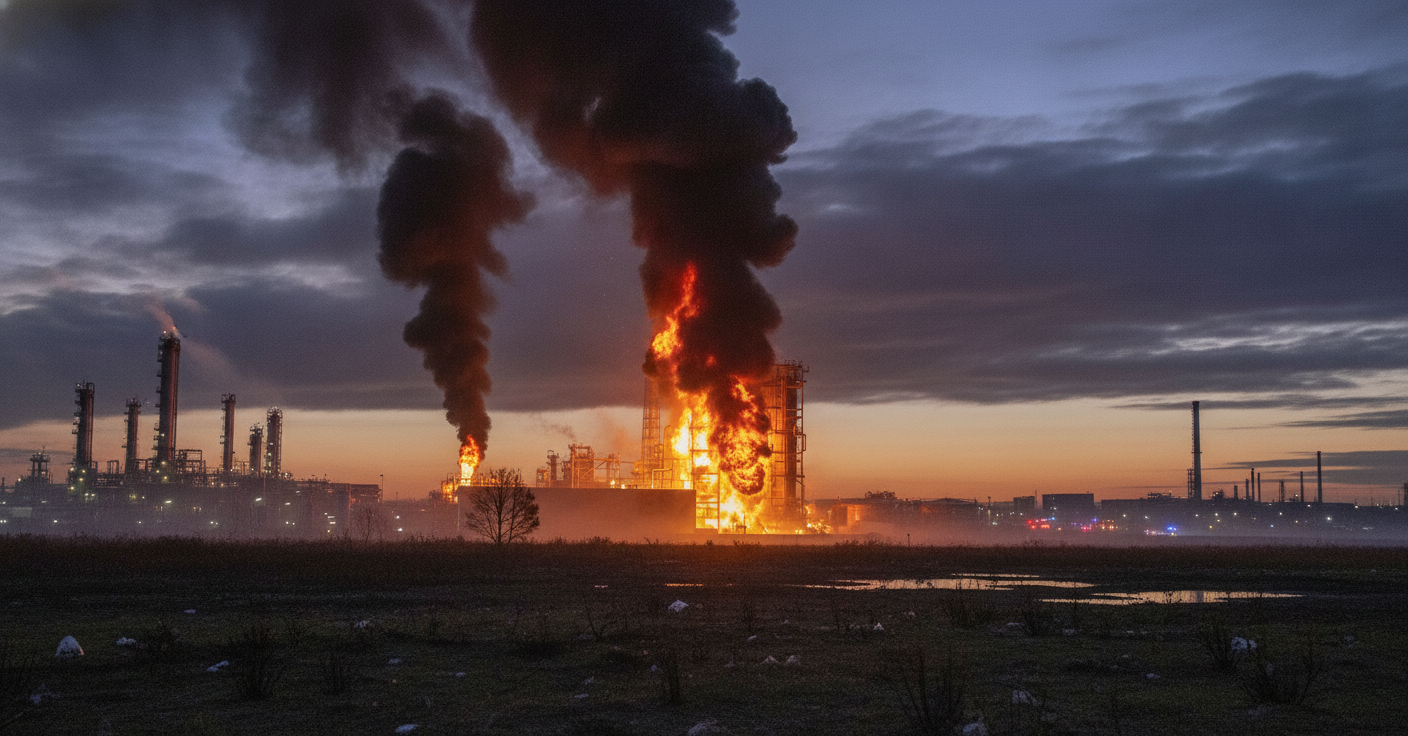
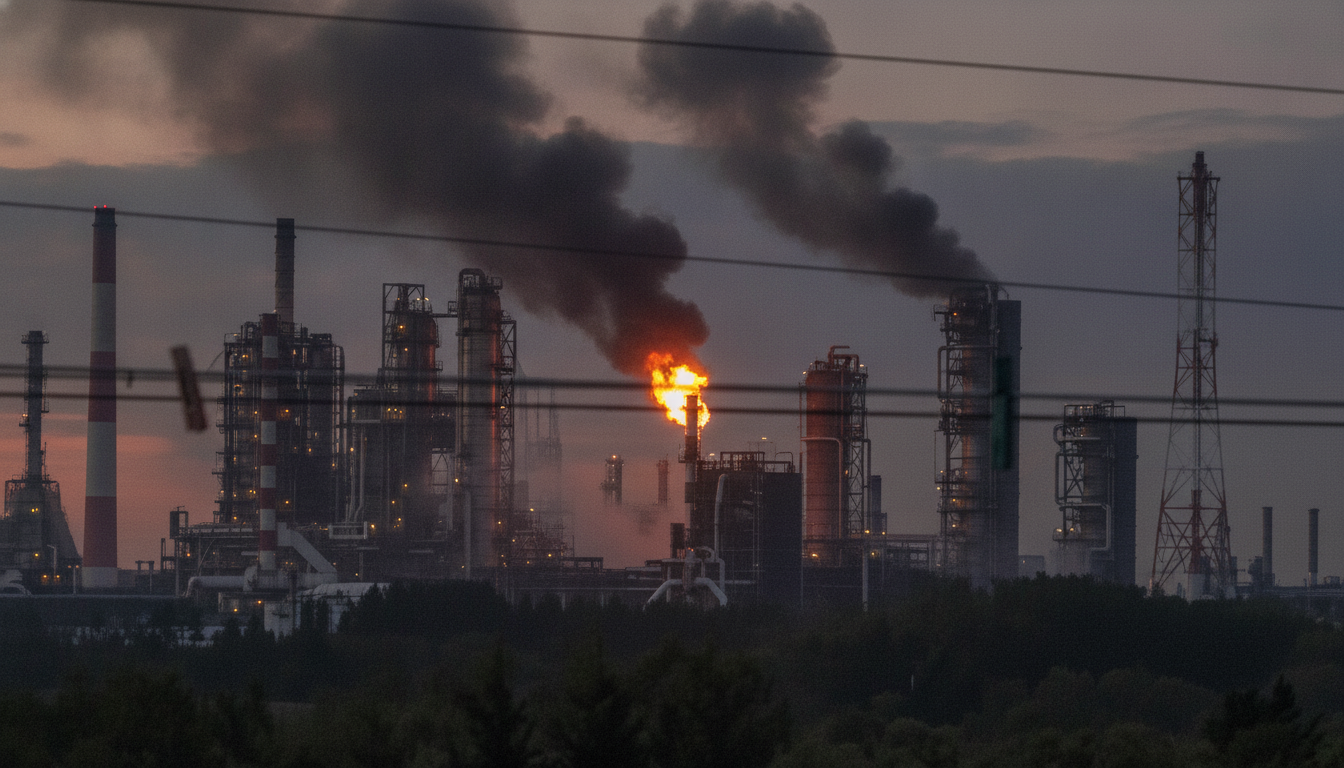
Drone Strikes Trigger Fuel Crisis in Crimea: Skyrocketing Prices and Horse-Drawn Taxis Emerge.

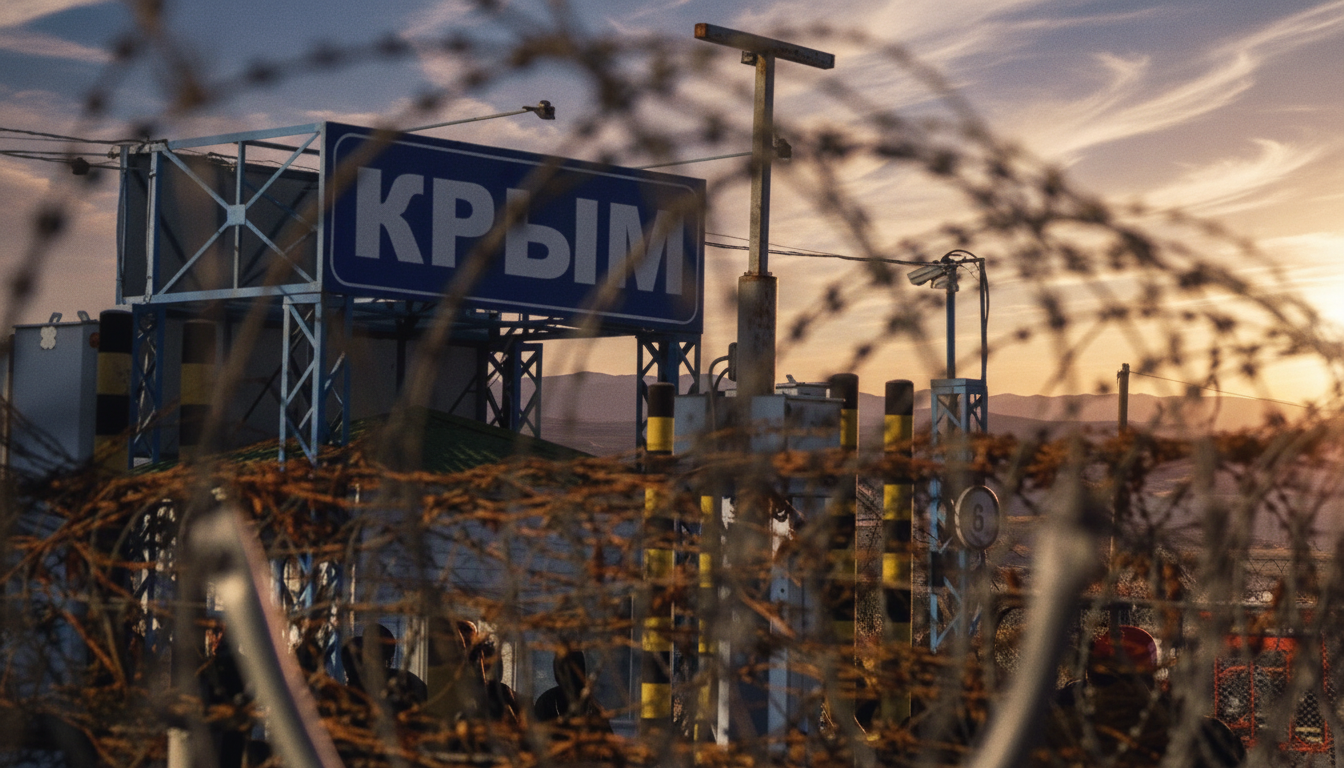
Fuel Crisis Grips Crimea
According to UATV: A severe fuel shortage is unfolding in the occupied Crimean peninsula, driven by Ukrainian drone attacks targeting supply routes. Residents are grappling with gasoline scarcity, soaring costs, and new restrictions imposed by the occupying authorities. Prices have jumped dramatically, and many gas stations are running dry, fueling a black market where jerrycans of fuel sell for between 3,000 and 5,000 rubles.
The occupation administration has attempted to address the crisis, but its efforts are limited to administrative measures and tighter controls on fuel sales. Officials claim existing reserves should last roughly six weeks, but the reality is far harsher: QR-code systems for refueling frequently malfunction, leaving many unable to fill up again for a full week.
Everyday Life Disrupted
The fuel deficit is crippling daily routines across Crimea. Residents are turning to alternative transportation, with horse-drawn taxis appearing on the streets and bicycles becoming a common sight. One local, Eskender Bariev, described the situation: 'Not only have prices gone up, but often the product itself simply isn't there.' He added, 'The authorities are trying to fight the consequences with repressive methods.' In areas where long lines form for gasoline, photography is banned—a sign of strict information control surrounding the crisis.
The fuel crunch also threatens Crimea's tourism industry, which has long relied on a steady supply of gasoline. As the crisis persists, locals face mounting challenges in meeting their basic needs.
This fuel emergency stems not just from military strikes but also from the deep economic and social strains of occupation. Rising prices and shortages risk further destabilizing the region, eroding living standards, and fueling public discontent and protest sentiment among Crimeans bearing the brunt of the occupying authorities' policies.
Read also
- Strike on Russia’s Largest Oil Refinery Raises Fears of Fuel Shortages
- Ukrainian drones halt Russia's largest oil refinery, worsening gasoline shortages
- Over 1,000 New Weapons Systems Fielded by Ukraine, with 90% Domestically Produced
- Russia's Fuel Crisis: Government Spins Negative Impacts as Benefits for Citizens
- Water Bills Set to Surge in July 2026: Who Will See Their Subsidies Adjusted
- Up to 500,000 UAH in Compensation for Destroyed Homes: Inside Ukraine’s Housing Recovery Program