Russia Tries to Conceal Gasoline Shortages as Regions Impose Sales Restrictions.

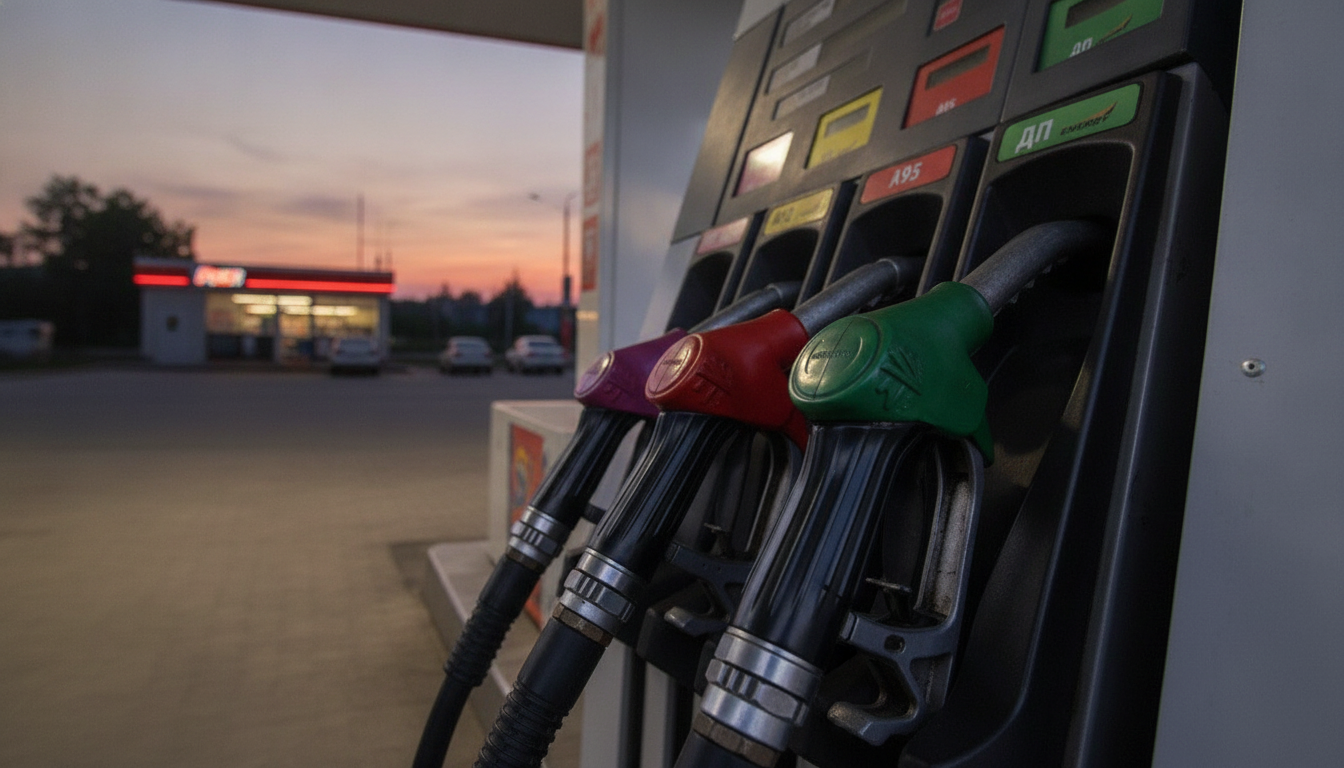
Gasoline Shortage in Russia
According to UATV: Russian authorities are attempting to downplay a growing gasoline shortage, according to the latest report from the Institute for the Study of War (ISW). The document reveals that regional governments are implementing restrictions on fuel sales due to supply disruptions. These measures are being taken to manage the situation locally and prevent public panic.
Regional Developments
In the Saratov region, officials are discussing potential price caps on fuel, highlighting the severity of the issue. The Tver region has already reported temporary limits on fuel purchases. Meanwhile, authorities in the Tula region have acknowledged that supply interruptions stem from logistical challenges and rising fuel demand. These factors indicate that the country's fuel supply situation is becoming increasingly strained.
Furthermore, strikes on energy infrastructure could exacerbate the gasoline shortage in the short to medium term. As Oleg Ustenko stated,
“Ukrainian defense forces are increasingly striking not only the roads used for front-line supplies but also oil refineries.”This could further destabilize Russia's fuel supply chain.
The gasoline deficit in Russia is raising serious concerns, as it could lead to social unrest and economic repercussions. The steps taken by regional authorities, such as restricting fuel sales, demonstrate efforts to contain the crisis, but these may only temporarily delay more widespread problems.
- Rising fuel demand.
- Logistical difficulties.
- External military threats.
Amid increasing demand, logistical hurdles, and external military threats, Russia's energy stability remains under threat. This could have severe consequences not only for the domestic market but also for the country's overall economic outlook. For an English-speaking audience, it is important to note that these shortages reflect broader vulnerabilities in Russia's energy sector, which have been amplified by ongoing geopolitical tensions.
Read also
- New Security Code Required for Card Top-Ups: What Ukrainians Must Know from June 26
- US Grants 60-Day License for Iranian Oil Trade: Implications for Ukraine
- Odesa Introduces Flat Parking Rate: What Drivers Will Pay Starting July
- New SMS Alert Fees Announced by Ukrainian Banks: What Customers Will Pay
- Asset Confiscation in Ukraine: What Gets Seized and How It’s Sold
- Freelancer Tax Overhaul: Rate Slashed from 23% to Just 10%