Half of Russia's Oil Exports Crippled as Ukraine Strikes Its Largest Refineries.

Attacks on Russian Oil Refineries
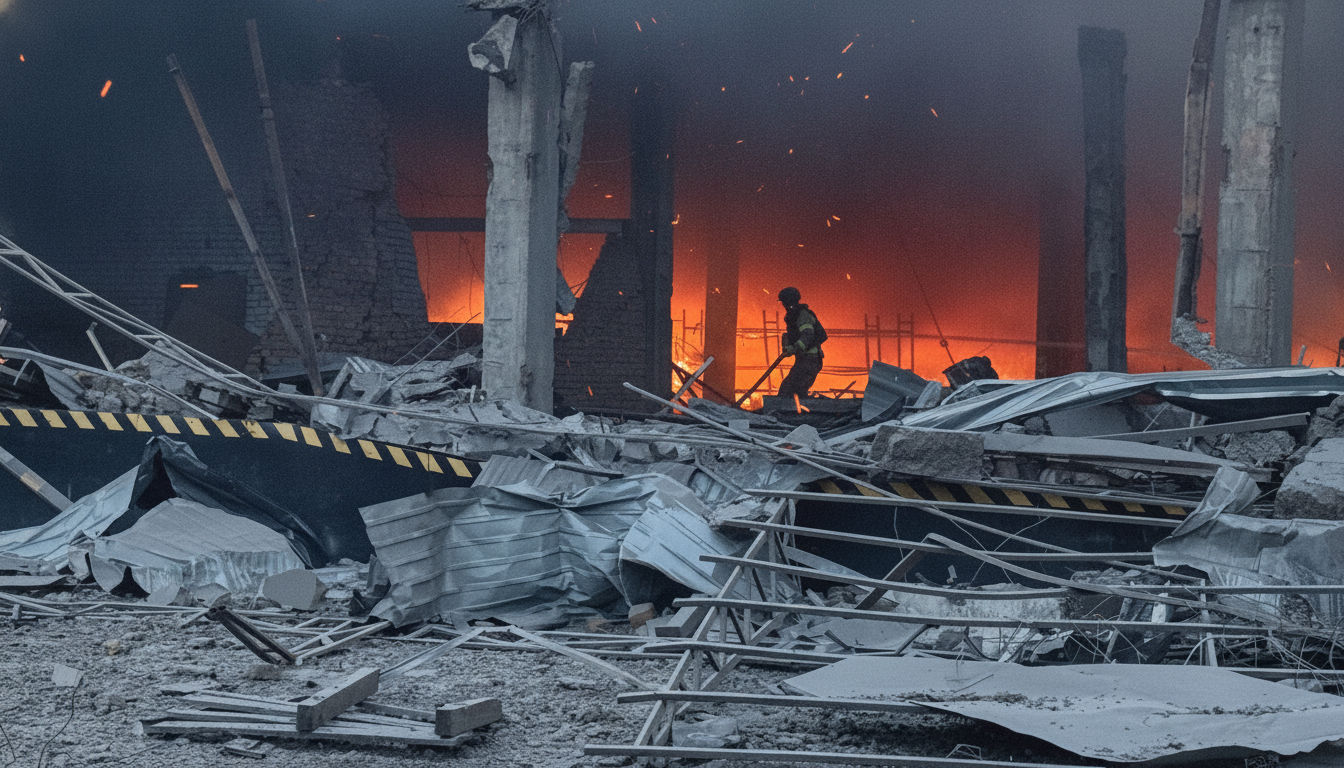
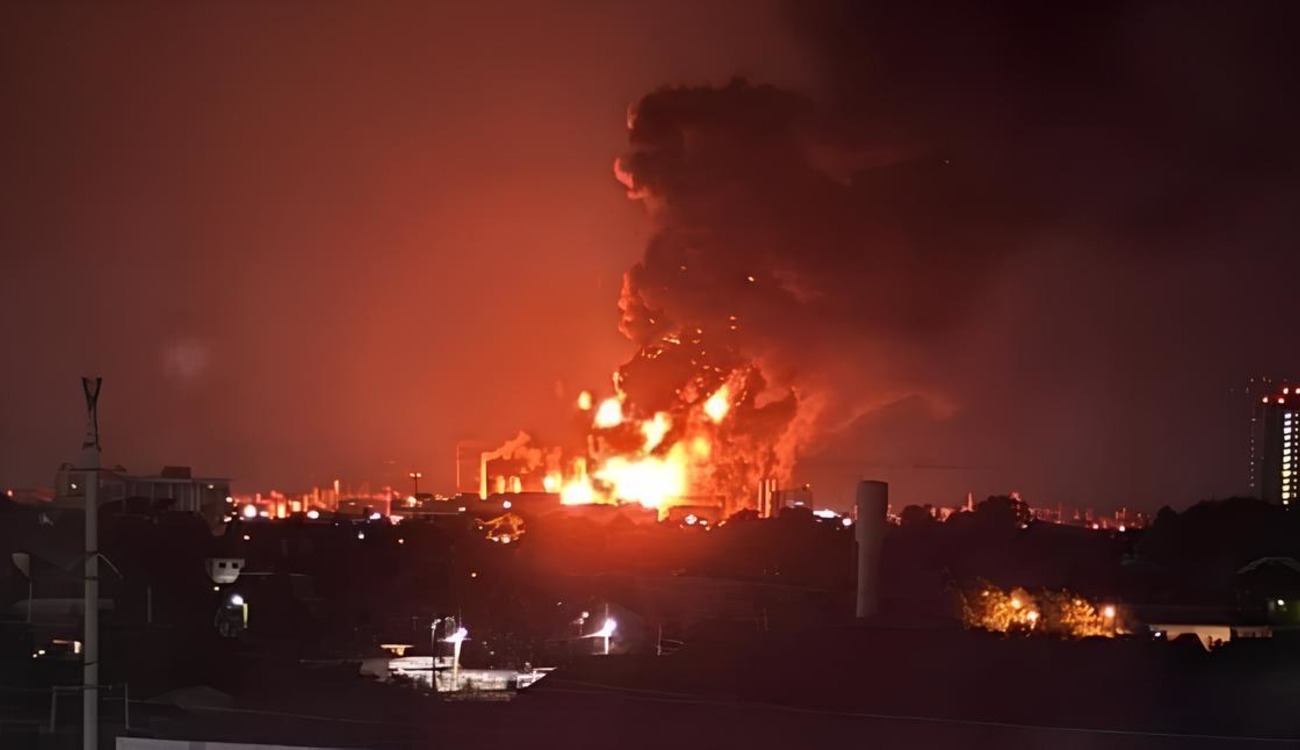
According to UATV: Ukraine's defense forces have struck the Kirishi oil refinery in Russia's Leningrad region, as well as infrastructure at the Ust-Luga oil product terminal. These attacks triggered massive fires, and according to the Ukrainian government, the pace of strikes against Russian energy infrastructure continues to accelerate.
On March 26, 2023, Ukrainian forces hit the Kirishi refinery, one of Russia's three largest oil processing plants. With an annual capacity of 20–21 million tons of crude, it accounts for over 6% of Russia's total oil refining output. Additionally, on March 23, 2023, an attack targeted the oil-loading port of Primorsk, where the pipeline system handles 75 million tons of oil annually and the port itself transships roughly 60 million tons each year. In the same wave of operations, the Bashneft-Ufaneftekhim refinery—capable of processing 6–8 million tons per year—was also affected. All ports responsible for nearly half of Russia's oil exports are currently shut down.
The scale and impact of Ukrainian strikes on the aggressor state's territory are constantly growing.
Spokesperson for the Ministry of Foreign Affairs of Ukraine
Yevhen Khmar, commenting on the Ust-Luga strikes, called them a symbolic 'gift' to the enemy for Security Service of Ukraine Day. Andriy Sybiha emphasized that these actions represent 'our own, Ukrainian sanctions against the Russian war machine.' President Volodymyr Zelenskyy also weighed in: 'As long as the war continues, the strikes must continue.'
Expert Assessment of the Consequences of Strikes on Russian Refineries
These attacks have demonstrated Ukraine's ability to conduct long-range operations, with SBU drones traveling over 900 kilometers to reach their targets. The growing intensity of strikes on Russia's energy infrastructure reflects a strategic shift in Ukraine's approach to warfare. These operations are part of a broader strategy aimed at weakening the aggressor's resource base and reducing its military capacity.
The strikes on Russian oil refineries and ports carry significant strategic implications for the conflict, as they could disrupt fuel supplies for Russian military operations. A reduction in the resources needed to sustain the war may alter the course of hostilities, increasing pressure on Russia's economy and military infrastructure. Moreover, the rising frequency of attacks on energy assets underscores the adaptability of Ukrainian forces to new battlefield conditions and their determination to take the fight onto the aggressor's territory.
Read also
- Zelensky and Top Military Command Outline Response Plan to Russian Strikes
- EU Adopts 21st Sanctions Package Against Russia: What the New Restrictions Target
- Deadly Strikes Hit Kyiv Region and Sloviansk: 11 Killed, Dozens Wounded
- Ukrainian Forces Strike Kirov’s Avitek Plant: Key Military Components Under Sanctions
- A Vatican Meeting Shifted Zelenskyy’s Relationship With Trump: What Happened at St. Peter’s Basilica
- Zelensky Warns of Black Sea Grain Corridor Blockade as Ukraine Calls UN Security Council Meeting