Putin’s Approval Rating Plummets to 55% After Strikes on Moscow-Area Refinery: How This Shifts the War’s Trajectory.

Vladimir Putin’s Declining Support
According to UATV: Ongoing attacks on critical infrastructure inside Russia, particularly the Moscow Oil Refinery, have driven Vladimir Putin’s approval rating down to 55% or lower. These developments have sparked concern within the Kremlin, which has opted for a strategy of silence regarding the situation. Ukraine’s actions are altering the course of the war and opening new pathways for negotiations, potentially reshaping Russia’s political landscape.
As of June 21, 2023, Putin’s public support has fallen to 55% or below. This decline signals growing public discontent, likely tied to the consequences of military operations and their economic fallout. The Moscow Oil Refinery, which supplies roughly 40% of petroleum products to the Moscow region, has become a primary target of these strikes, deepening the crisis in the energy sector.
Impact on Society
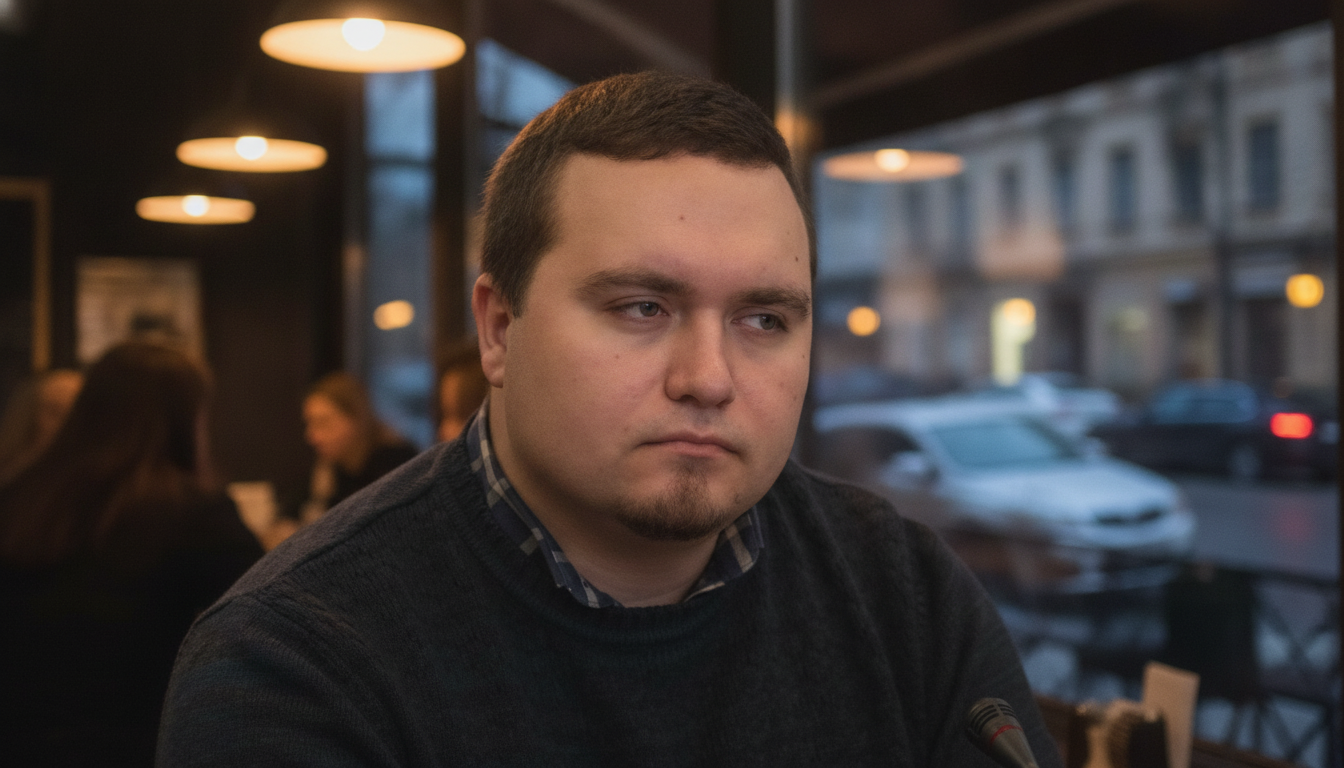
Analysts say this situation is stirring sentiments similar to those seen in Tuapse after a series of successful attacks by Ukraine’s Defense Forces. Ihor Chalenko commented:
“This hushing up is similar to what happened in Tuapse after a series of successful attacks by Ukraine’s Defense Forces.” - Ihor Chalenko
He also noted, “I’ve even seen a video asking: why shouldn’t Moscow see how Russia is waging war with Ukraine?” These remarks highlight that the public deserves to know the truth about the country’s situation and military actions.
Consequently, strikes on critical sites in Russia, especially the Moscow Oil Refinery, have eroded Putin’s support and forced the Kremlin into a policy of silence. This may reflect shifting public attitudes and the impact of Ukraine’s operations on the war’s dynamics.
The drop in Putin’s approval to a record low could serve as a key indicator of social tension in Russia, potentially influencing the Kremlin’s future policies and its military actions in Ukraine. Amid rising public dissatisfaction, increasingly sensitive to the war’s repercussions, the authorities may need to adjust their strategies to maintain control. Such developments could also create fresh opportunities for international talks aimed at resolving the conflict.
Read also
- Ukraine’s Government Reset: What Leadership Changes President Zelenskyy Has in Store
- Ukraine’s Premier Shuffle: What It Means for Military Support
- Ukraine Requires 2,000 Interceptor Missiles Annually to Counter Iskander Threats
- Despite Senator Graham’s Death, 80 Senators Still Back New Russia Sanctions Bill
- EU Fails to Adopt 21st Sanctions Package Against Russia: What Went Wrong
- The 2026 Tech Breakthrough That Gave Ukraine the Upper Hand on the Battlefield